A 5-year-old dog equals mid-30s to late-40s in human years, depending on size and breed aging pace.
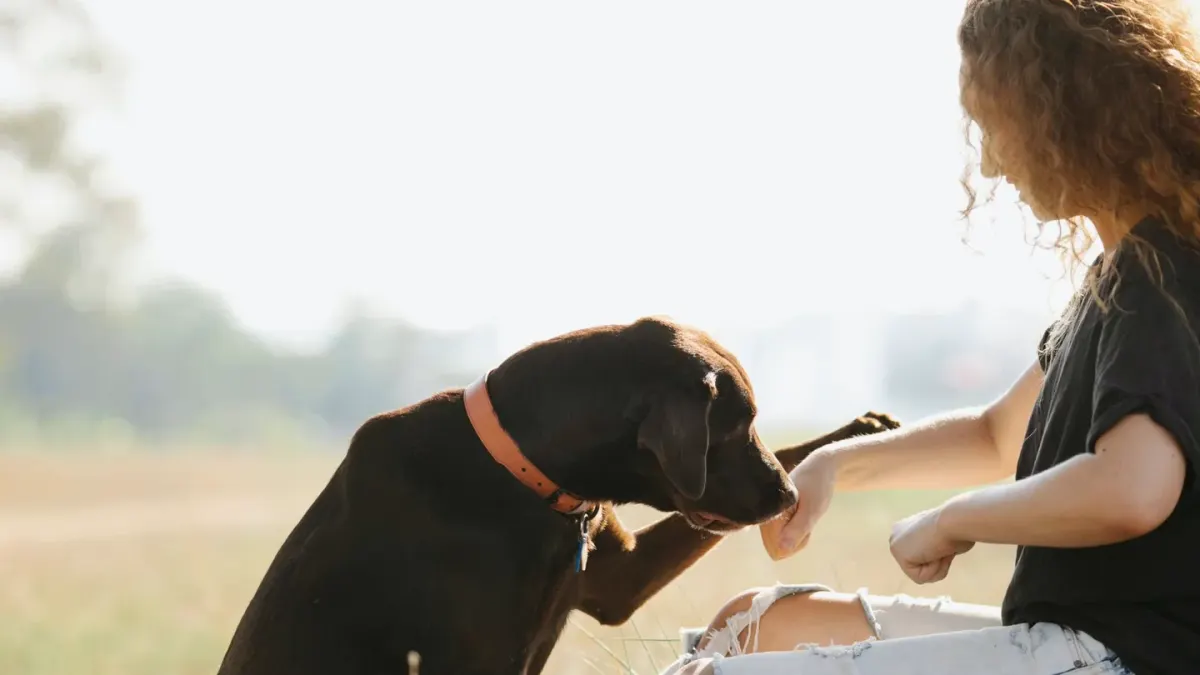
A 5-year-old dog is a settled adult, roughly mid-30s to late-40s in human terms depending on size. Small dogs usually sit younger on that scale. Large and giant dogs sit older.
Dogs mature quickly in year one and two, then pace spreads out. That early speed is why multiplying by seven misses. Breed size shapes what happens next, with larger dogs entering middle age sooner.
What a 5-year-old dog translates to
Think in ranges, not one number. Body weight, breed, neuter history, weight trend, and health history all move a dog within the range:
- Small, under 20 pounds: about 33 to 37 human years
- Medium, 20 to 50 pounds: about 37 to 41 human years
- Large, 50 to 90 pounds: about 41 to 47 human years
- Giant, over 90 pounds: about 47 to 60 human years
The American Veterinary Medical Association notes that small dogs tend to live longer and become senior later than large dogs, which reflects the same size effect seen at age 5. The methylation clock work published in Cell Systems showed the dog-to-human curve rises fast early and then levels off, not in a straight line.
Why size shifts the number at age 5
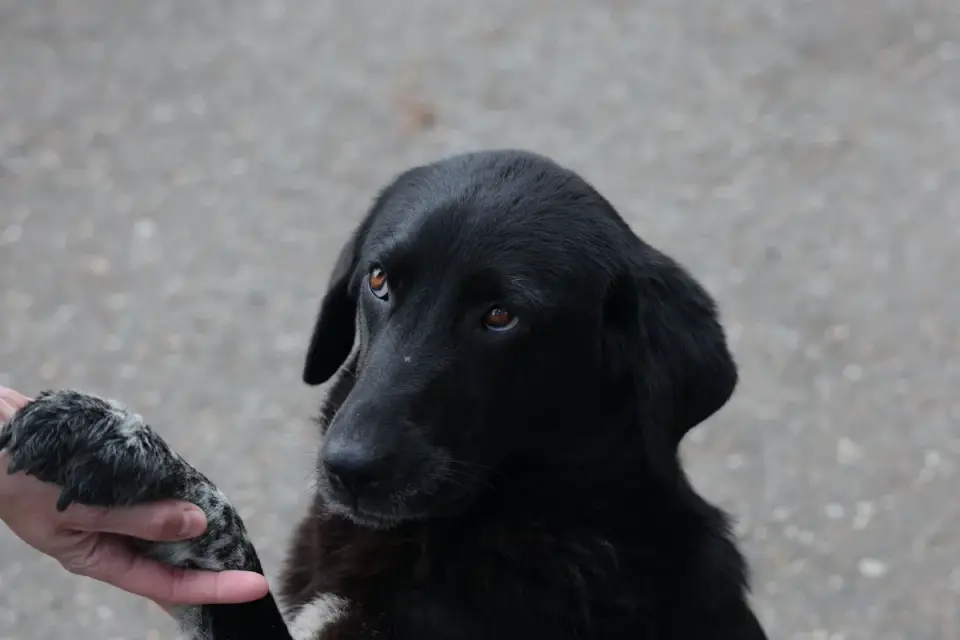
At 5, most dogs look stable. Teeth, coat, and play drive can hide change. Large dogs carry more joint load and often show slower rising, shorter bursts of play, and easier weight gain. Small dogs often keep activity longer, while dental tartar, gum inflammation, and gradual weight gain advance quietly.
Try a short check this week. Watch morning movement after rest. Watch recovery after a long walk. Feel body condition over the ribs with flat fingers. Write down what you find for two weeks. That record helps your veterinarian separate normal variation from early disease.
For background on life-stage math, read How Do You Convert Dog Years to Human Years? and review early change in How to Tell Your Dog Is Entering Its Senior Years.
When to act on age at 5
Age alone rarely sets the plan. New or lasting change does. Contact your veterinarian promptly for limping beyond a day or two, trouble rising or climbing stairs, heavy panting at rest, drinking and urinating much more than usual, bad breath with drooling or dropping food, or weight loss or gain with a duller coat.
The American Animal Hospital Association advises more frequent senior-focused screening as dogs enter middle and senior stages, with timing adjusted for size and health risk. A healthy 5-year-old small dog often needs steady preventive care, measured food, daily movement, and dental care. A 5-year-old giant breed may already need closer screening.
Keep walks consistent, keep weight in range, follow a vet-approved dental plan, and ask what labs or joint checks fit your dog. The sign that should change your next action is a persistent shift in movement, appetite, thirst, or behavior lasting more than a few days.
Sources
- Senior Pets — American Veterinary Medical Association
- Quantitative Translation of Dog-to-Human Aging by Conserved Remodeling of the DNA Methylome — Cell Systems
- 2023 AAHA Senior Care Guidelines for Dogs and Cats — American Animal Hospital Association