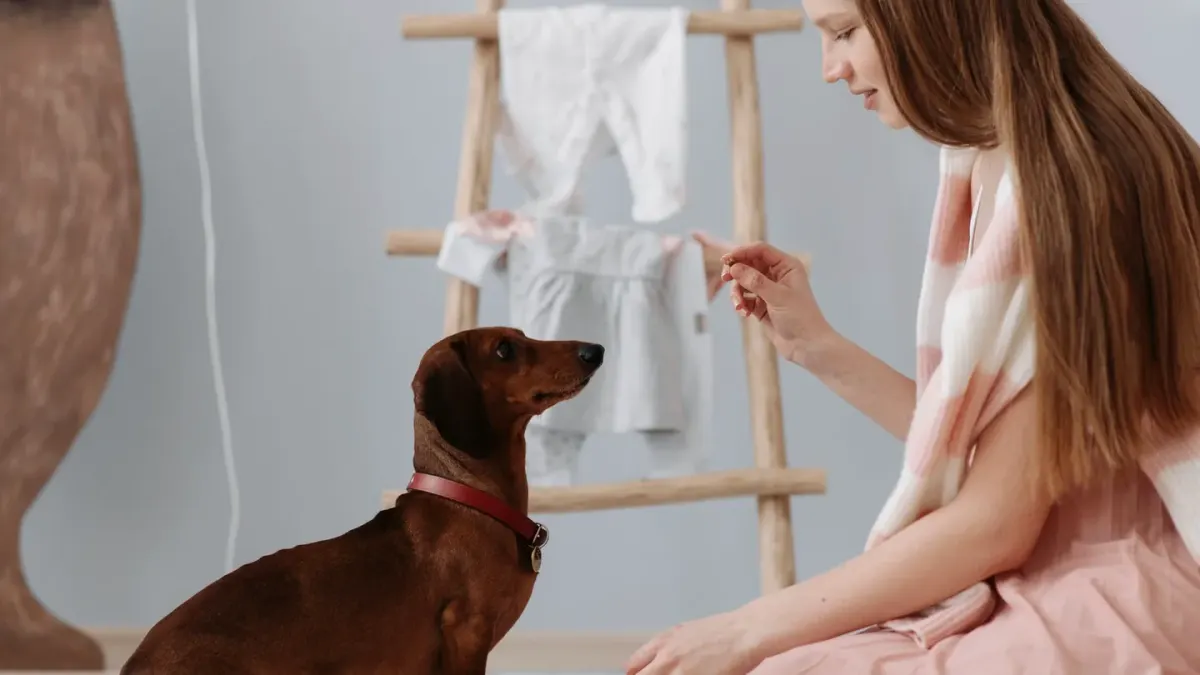
Last July a family brought in their four-year-old, 48-pound mixed-breed dog after a thunderstorm night went badly. She had paced between bedrooms, panted for hours, scratched at the back door, then wedged herself behind the toilet. They asked if they should have forced her into a crate to keep her safe. I told them no, forcing containment usually raises panic, and what she was showing us was a clear preference for a tight, enclosed, low-light hiding place she chose herself. By day 10 of keeping a covered crate open in their laundry room, she started walking in there on her own at bedtime.
My disputed premise is simple. A den does not fix anxiety. Choice fixes part of anxiety.
Why choice matters more than the crate you buy
Dogs under stress look for reduced input and an exit they control. Guidance on American Veterinary Medical Association separation anxiety describes pacing, vocalizing, destructive behavior, and house-soiling as common distress patterns, and the thread through them is a dog that cannot self-regulate. A den works when it lowers noise, light, foot traffic, and novelty while leaving the door open.
That is my three-step check for worry about panic in a small space. Can the dog enter and leave freely. Can the dog hear less and see less inside than outside. Can you observe breathing, posture, and willingness to eat a treat without opening the den.
A crate with the door removed, a closet corner with a baby gate, or a table draped with blankets can all qualify. Washable bedding matters more than orthopedic marketing. Familiar smell matters more than new fabric.
The setup that actually gets used
Pick the quietest corner your dog already drifts toward, not the spot that is convenient for you. Most dogs choose an interior wall away from windows and front doors. Add a washable bed, one worn shirt, a water bowl nearby rather than inside, and a chew or stuffed Kong for calm entries only.
Cover three sides with a breathable blanket and leave the front uncovered for airflow and escape. Keep temperature neutral and check that panting eases within 15 to 20 minutes. White noise or a low fan helps more than music with heavy bass.

They had bought a large wire crate, placed it in the bright entryway, closed the door with a new lavender bed inside, and played storm sounds to desensitize their six-year-old, 62-pound Lab mix. Three weeks in, he still drooled, bent the door latch, and refused to go near it. The failure was not stubbornness. The location was loud, the space was too exposed, the door removed choice, and the new scent made it unfamiliar. Once they moved a smaller covered bed to a bedroom corner and left the door off, he began resting there during evening wind, though thunder still sent him pacing.
That tradeoff is common. A den can support lower-level worry and help a dog rest between triggers. It does not replace behavior work for true phobia.
Material from VCA Hospitals on noise phobia makes the same distinction, noting hiding, trembling, panting, and attempts to escape during loud events. Covering the den helps muffle light and movement, but a dog that injures itself, vomits, drools heavily, or cannot stop pacing needs a veterinary visit rather than a better blanket.
The edge case that changes my advice
A nine-year-old, 18-pound senior terrier mix slept well in her den for months, then started whining inside it at night. Her owner assumed anxiety had worsened. On exam the issue was pain and urgency. Older joints made the high crate lip hard to step over, and she needed to urinate more often. We cut the entry lip, added a low supportive bed, moved water closer, and the night whining eased.
Senior dogs often need that adjustment. If you are also managing age-related joint or supplement questions, background reading like How Collagen Production Changes as Dogs Age can help frame what bedding support does and does not do, and owners whose dogs take cardiac drugs should read Can Dogs on Heart Medication Also Take CoQ10? before adding anything new. I keep den changes and supplement changes separate so I can tell which one helped. For context on herbal calming claims, evidence summaries note that MDPI Biomedicines review states “For the remaining species, evidence is derived mainly from preclinical studies or traditional use.”
Contact your veterinarian promptly for escape attempts that risk injury, self-trauma, open-mouth breathing at rest, collapse, pale gums, or anxiety that lasts hours after the trigger ends.
Teach the den during calm times. Toss treats inside, feed one meal a day nearby, practice two-minute rests with the cover half on. Never push a dog inside or lock the door to “teach” calm.
Watch for the sign that should change your next action. A dog that enters voluntarily, lies on its side, sighs, and takes a chew is using the space well.
For related context, read Is Apoaequorin Safe for Aging Dogs?.
For related context, read Bacopa Monnieri for a Senior Dog’s Memory and Focus.
Frequently asked questions
Should I lock the crate door during fireworks?
I do not recommend it for an anxious dog. A locked door removes escape and often increases panic and injury risk. Leave the den open and focus on sound reduction and staying nearby and calm.
How long before my dog uses the den on its own?
Many dogs investigate within days when training happens during calm periods with food rewards. If there is no voluntary use after two weeks, change the location, bedding height, or cover level rather than forcing entry.
Sources
- Separation anxiety in dogs — American Veterinary Medical Association
- For the remaining species, evidence is derived mainly from preclinical studies or traditional use. — MDPI Biomedicines