Getting a dog to take taurine powder is mostly about taste and timing, and small changes fix most refusals.
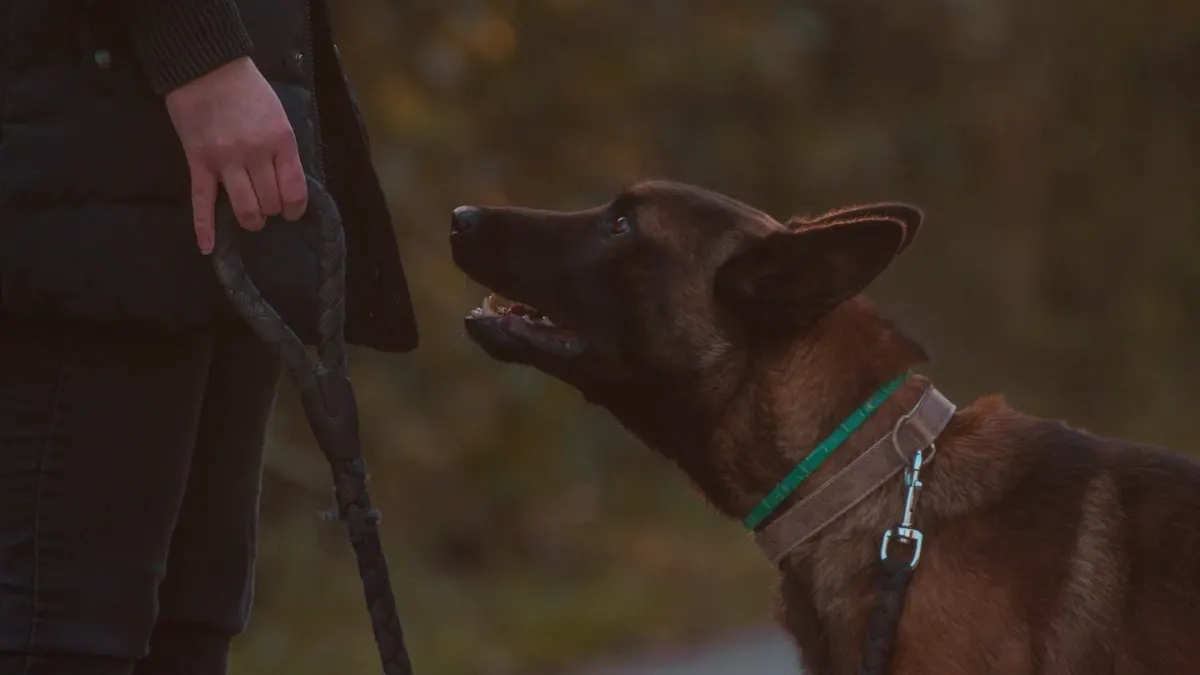
Last Tuesday I watched a senior shepherd sniff his bowl, lick once, and walk away from the wet food his owner had carefully dusted with white powder. The owner looked at me and asked the question I hear a lot: is my dog refusing the food, or refusing the taurine?
That distinction matters. Taurine itself has little smell to us, but powder changes texture and mouthfeel. Dogs notice. When your dog walks away, start with a simple check I use on the clinic floor. Check the mouth, check the mix, check the pattern.
Does my dog need taurine powder in the first place?
A 9-year-old, 68-pound mixed-breed dog came in for slowing down on a half-mile evening walk. The owner had read about taurine online and started a powder on her own. Appetite was normal, weight was steady since January, stool was normal. The real issue was uncertainty about whether supplementation made sense for that dog. That happens often.
Most complete adult dog foods already contain adequate sulfur amino acids for taurine synthesis. The concern tends to come up around certain grain-free or boutique diets, very low-protein home-prepared diets, or dogs with diagnosed heart disease. The FDA Center for Veterinary Medicine has summarized its ongoing work on diet-associated dilated cardiomyopathy in dogs, which is useful background before adding anything long term. If your dog has a murmur, cough, exercise intolerance, fainting, or rapid breathing, skip the powder trial and contact your veterinarian that day. For related heart-nutrient questions, see Can Dogs on Heart Medication Also Take CoQ10? and Taurine for Dogs: Benefits, the DCM Question, and When to Actually Worry.
Ask your vet whether taurine blood testing, diet review, or an echocardiogram should come before supplementation.
Why does powder end up on the floor instead of in the dog?
Taurine powder is fine and slightly crystalline. Sprinkled dry on kibble, it sifts to the bottom. Stirred into a large bowl of wet food, it can make the whole meal taste chalky. The dog then learns the bowl predicts a bad texture.
I had one case where the owner did everything right except scale. A stocky beagle-type dog, about 5 years old, was offered a full dinner bowl with powder stirred through. He ate three bites across two nights and quit. The owner assumed he hated taurine. When we shrank the carrier to two tablespoons of wet food and served dinner after, he ate it cleanly for 10 straight days. The problem was the vehicle, not the ingredient.
The fix is almost always a smaller, wetter carrier.

What mix actually gets eaten?
Keep it small, moist, and familiar. Use a carrier your dog already loves and already tolerates.
Mix the measured dose into 1 to 2 tablespoons of warm water, low-sodium bone broth, plain canned pumpkin, plain yogurt, or canned food to make a slurry, then spoon that slurry over a small portion of the meal. Serve that small portion first when the dog is hungry, then offer the rest of the meal once the bowl is licked clean. Warm, not hot, helps the crystals dissolve and reduces grittiness.
Split the daily amount across two meals if your vet advises divided dosing. Smaller amounts per meal dissolve better and taste less obvious.
If you use kibble only, soften a handful of kibble with warm water for 10 minutes, stir in the powder, and feed as a starter. Dry dusting rarely works.
For dogs that eat around powder, try a lick mat with a thin smear of peanut butter or wet food mixed with the dissolved powder. Licking slows them down and prevents sorting.
What if he still spits it out, vomits, or gets diarrhea?
A lanky adolescent performance dog I followed needed a different plan. The standard slurry worked for four mornings, then he started drooling and leaving a milky residue after 15 minutes. The owner worried about allergy. On exam his mouth was normal and energy was normal, and the pattern pointed to texture aversion plus feeding too fast on an empty stomach.
We bent the usual advice. Instead of one pre-meal slurry, we divided the same daily amount across three tiny meatball-sized portions of canned food given during a 20-minute training session at the park. No large bowl, no pressure. He took all three. Some dogs do better with powder spread thin across the day rather than concentrated in one bowl.
Contact your veterinarian if powder triggers repeated vomiting, diarrhea lasting more than 24 hours, blood in vomit or stool, facial swelling, hives, loss of appetite beyond one missed meal, or cough and breathing changes. Bring the product label, the measured dose, and the diet name to the visit.
Plain refusal for more than 2 to 3 days also deserves a call. Appetite change can signal dental pain, nausea, or illness unrelated to taurine.
The sign that should change your next action is a clean starter bowl followed by normal energy and stool. That tells you the method works and you can stay with it.
Frequently asked questions
Can I mix taurine powder with water only?
Yes for many dogs, if your vet has advised powder. Dissolve the measured dose in a small amount of warm water and mix into a tablespoon of wet food. Water alone is often refused because it has no flavor to mask texture.
Should taurine powder be given with food or on an empty stomach?
With a small amount of food works best for most dogs and reduces stomach upset. Ask your veterinarian whether once or twice daily fits your dog's plan.
How do I know the dose is right?
Only your veterinarian can set that after reviewing diet, weight, labs, and heart history. Do not scale human taurine doses to dogs.
Sources
- FDA Investigation into Potential Link Between Certain Diets and Canine Dilated Cardiomyopathy — FDA Center for Veterinary Medicine