On this page
Small dogs and hospital food just don’t get along. If you’ve ever picked up your dog after a stay at the clinic and found the food bowl untouched, you’re not imagining things — it’s one of the most common things owners bring up to me, and it’s also the joke in a recent video I posted. This publication is supported by Boops Pets, and I still call it like I see it: a dog skipping a meal in the hospital is usually about stress, not sickness.
The joke that’s actually true
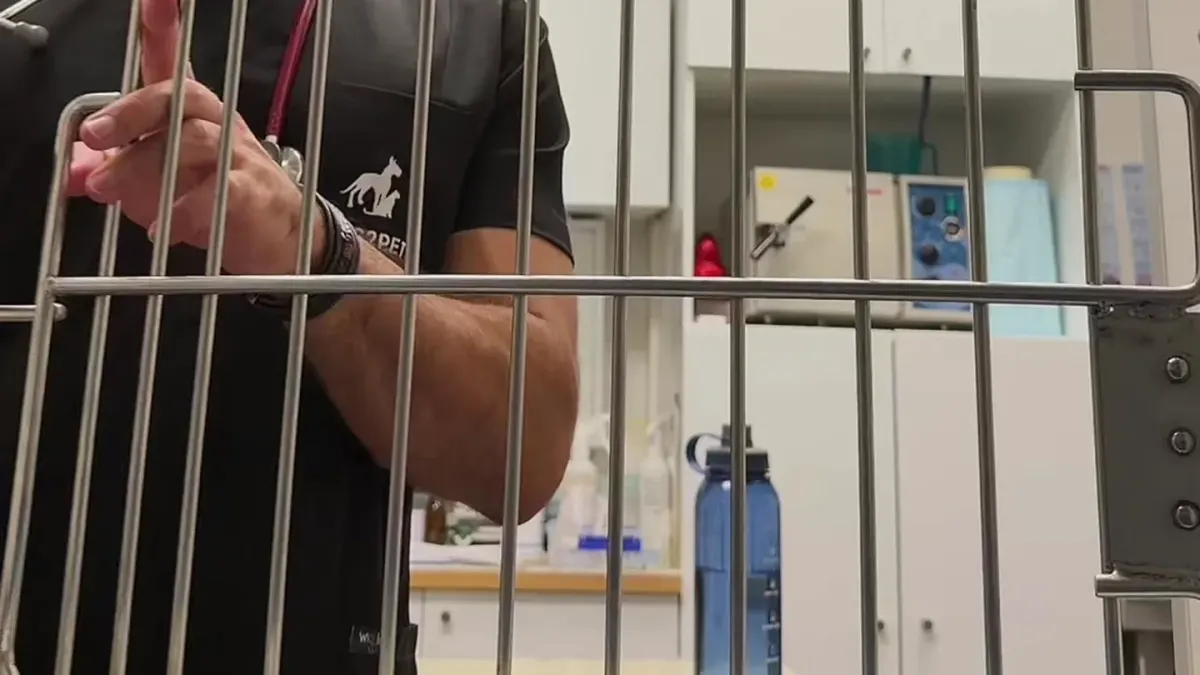
In the video, I’m play-acting a picky patient turning down a meal: “I’m not eating that… I’m not eating a sandwich that my neighbor made when his apartment been smelling like a dead raccoon’s ass stinking up my house since the day he moved in.” It’s silly, but the point underneath it is real. Dogs, especially small breeds, can be shockingly particular about food that smells wrong to them, comes from an unfamiliar source, or shows up in an environment that already has them on edge. A hospital kennel checks every one of those boxes at once — strange smells, strange sounds, strange hands, and a diet that isn’t what’s waiting in their bowl at home.
Why small dogs are the pickiest patients
Small dogs tend to be more food-particular in general, and layering hospital stress on top of that makes refusal even more likely. A change in environment is one of the most common, least dangerous reasons a dog stops eating — Small Door Veterinary notes that dogs can lose their appetite simply because something in their surroundings has changed, and that appetite typically returns once the anxiety passes. A hospital stay is about as big an environmental change as a dog can experience in a single day.
The clinical side backs this up too. VCA Animal Hospitals points out that anorexia in dogs has a long list of possible causes, and stress or a new environment is one of the more benign ones on that list — though it’s still worth watching closely, since appetite loss can also be a sign of pain, nausea, or an underlying illness that needs attention.
What veterinary teams actually do about it
This isn’t just an owner problem — hospitals deal with it constantly, which is why so much thought goes into getting a stressed patient to eat. The Purina Institute recommends offering a highly palatable food in as low-stress a setting as possible, and notes that palatability can be improved with more moisture, fat, or protein, or by offering something fresh and aromatic instead of a bland, unfamiliar diet. In other words: the same dog who refuses a hospital diet cold will often eat readily once you swap in something that actually smells appealing to them.
What to do once your dog is home
- Offer their normal food first. Familiarity does a lot of the work.
- Warm it slightly or add a splash of low-sodium broth to boost the smell.
- Feed somewhere quiet, away from foot traffic, kids, or other pets.
- Give it time. A day or two of a smaller appetite after a stressful visit is common.
- Call your vet if your dog goes more than 24–48 hours without eating, or if refusal comes with vomiting, diarrhea, or lethargy — that’s no longer just about the food.
If you’re dealing with a dog who won’t eat and is also licking or scratching constantly, that’s a different pattern worth a separate look — see our guide on recurrent paw licking and itching for what a layered plan for that looks like.
The bottom line
A small dog turning its nose up at hospital food is usually a stress response, not a red flag on its own. Watch how quickly your dog bounces back once they’re home in a familiar spot with familiar food, and loop in your vet if that appetite doesn’t return on its own timeline.
Video transcript
Frequently asked questions
Is it normal for my dog to not eat right after coming home from the vet?
Yes, in most cases. Stress and an unfamiliar environment are common, low-risk reasons a dog skips a meal or two after a hospital stay. Offer familiar food in a quiet spot and give it a day.
When should I actually worry about my dog not eating?
If refusal lasts more than 24–48 hours, or comes with vomiting, diarrhea, lethargy, or trouble breathing, call your veterinarian rather than waiting it out.
Why do small dogs seem pickier about hospital food than big dogs?
Small breeds are often more selective about smell and texture in general, and that pickiness gets amplified by the stress and unfamiliar setting of a hospital stay.
Sources
- Why is my dog not eating and what can I do? — Small Door Veterinary
- Anorexia in Dogs — VCA Animal Hospitals
- Appetite Management in Hospitalized Dogs and Cats — Purina Institute