Affordable pet care for low budgets means covering vaccines, prevention, and checkups before paying for emergencies.
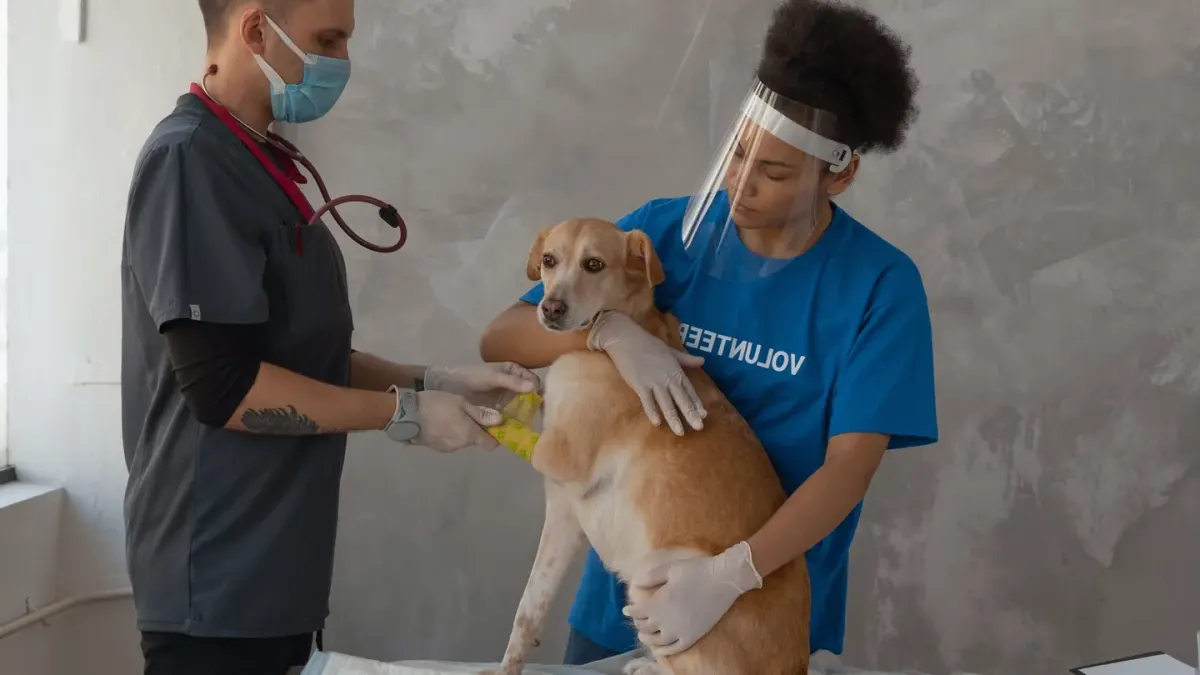
Is your dog healthy right now, but vet costs feel out of reach. Start with prevention. That one choice prevents most expensive emergencies I see. Prevention costs less than treatment. Vaccines, parasite control, weight control, and dental watch cost far less than parvo hospitalization, emergency surgery for pyometra, or advanced dental extractions. The American Veterinary Medical Association frames preventive care the same way, with regular exams, vaccines, and parasites as the foundation.
1. Cover the basics that prevent big bills
Think in three parts. What protects life. What stops suffering. What catches problems early.
Core vaccines for dogs include rabies, distemper, adenovirus, and parvovirus. Puppies need a series. Adults need boosters on schedule. Flea, tick, and heartworm prevention matters year-round in most of the United States. Ask your clinic what is truly needed where you live.
Weight is the other low-cost lever. Extra weight strains joints, breathing, and heat tolerance. Feed a complete diet that meets AAFCO standards, measure meals, and keep treats under 10 percent of daily calories. The ASPCA has plain-language feeding and general care sheets that help you compare labels without buying premium marketing.

2. Use community clinics for low-cost help
You do not need to skip care. You need a lower-cost door.
Look for shelter clinics, humane society wellness clinics, veterinary school clinics, and scheduled vaccine events. Many offer vaccines, microchips, nail trims, and spay-neuter at reduced fees. Pet food banks and community funds can bridge a hard month.
Call ahead and ask three questions. What is included in the exam fee. What vaccines and preventives do you carry. Do you offer payment plans or written estimates. Bring vaccine records, a medication list, and notes on appetite, stool, thirst, and energy. That saves a repeat visit.
If cost forces a choice, ask the vet to rank needs as urgent, soon, and can wait. Spay-neuter, rabies vaccine, and parasite control usually rank high because they prevent disease, litters, and spread to other pets and people.
3. Keep a home routine that catches trouble early
Do a quick three-step check each week. Look. Feel. Notice behavior.
Look at eyes, ears, teeth, skin, and stool. Feel ribs, belly, lumps, and feet. Notice drinking, eating, breathing, limping, scratching, and energy. Write down what changed and when. Photos help.
Brush teeth when your dog allows it. Use a dog toothpaste and a soft brush. Short sessions beat long fights. Daily walks, play, and training keep weight and joints in better shape, which supports comfort as dogs age. For ideas that cost nothing, see How to Keep an Aging Dog’s Brain Active and Engaged and How Old Does a Dog Have to Be Before Signs of Aging Typically Start?
The Centers for Disease Control and Prevention also reminds families that handwashing, safe stool cleanup, and regular veterinary care protect both people and pets in the same home.

4. Know when waiting costs more
Low cost does not mean wait and see for red flags. Contact a veterinarian promptly for repeated vomiting or diarrhea, refusal to eat over 24 hours, labored breathing, pale gums, bloated belly, inability to urinate, seizure, major wound, eye pain, or sudden inability to walk.
For a senior dog like Arlo, a 9-year-old neutered male Bloodhound, owner Deborah in Downey noticed he drank more water and rose slower in the morning. That pattern is common with age, but new thirst plus weight loss or accidents in the house should prompt a visit rather than a diet change alone. Early bloodwork and a urine check often cost less than treating advanced kidney disease, diabetes complications, or severe dental infection later.
Watch for the sign that changes the plan. Declining appetite, weight loss, new lumps, bad breath with drooling, cough, or stiffness that lasts past a few days means move the appointment sooner.
Frequently asked questions
What is the cheapest way to keep a dog healthy on a tight budget?
Keep vaccines current, stay on flea, tick, and heartworm prevention, control weight with measured meals, and use a community or shelter clinic for exams and spay-neuter.
Where can low-income families find low-cost vet care?
Start with local humane societies, shelter wellness clinics, veterinary schools, and scheduled vaccine events, then ask for an itemized estimate and help ranking urgent versus routine care.
When should I not wait to save money?
Seek prompt veterinary care for repeated vomiting or diarrhea, not eating for 24 hours, trouble breathing, pale gums, bloating, inability to urinate, seizure, major injury, eye pain, or sudden collapse or inability to walk.
Sources
- Preventive Pet Care — American Veterinary Medical Association
- General Pet Care — ASPCA
- Healthy Pets, Healthy People — Centers for Disease Control and Prevention