The best breath treat is a VOHC-accepted dental chew fed daily, and lasting odor needs a dental exam first.
| Product | Vet rating | Key details | Best for | Pros & cons |
|---|---|---|---|---|
| OraVet Dental Hygiene Chews OraVet | 9/10 | VOHC accepted for plaque and tartar; individual-wrapped daily chew | daily plaque control |
|
| Pedigree Dentastix Fresh Pedigree | 8½/10 | VOHC accepted; X-shaped texture for chewing contact | budget daily chewing |
|
| Greenies Original Teenie Greenies | 8/10 | VOHC accepted; small size for small mouths | small dogs that chew |
|
| WHIMZEES Natural Dental Chews WHIMZEES | 8/10 | VOHC accepted option; firm vegetable-based shape | dogs wanting longer chew time |
|
Does your dog’s breath clear the room even after a chew? Mint flavor fades fast because most odor comes from plaque and gumline bacteria, not the stomach.
I treat package portions as a starting point and adjust for weight, especially with daily dental chews. Count the chew in daily calories. Watch stool and chewing effort for two to three days after any switch.
When a chew helps and when it does not
A textured chew can reduce plaque by scrubbing and by increasing chewing time. Look for the Veterinary Oral Health Council accepted seal for plaque or tartar control rather than trusting “fresh breath” on the front. Mint, parsley, and fennel cover odor. They do not treat gum infection.
Check the mouth first. Lift the lip and look for red gums, yellow-brown tartar, bleeding, drooling, pawing at the face, dropping food, or chewing on one side. Bad breath plus any of those signs means schedule a veterinary dental exam.
Zuma, a 2-year-old spayed female Portuguese Water Dog, came up in this context with owner Lauren in Palm Bay. Young adult dog, new odor after a treat change. The useful check stayed the same: teeth and gums first, diet and chew second, vet visit if odor lasts more than a few days.
How I rank breath treats
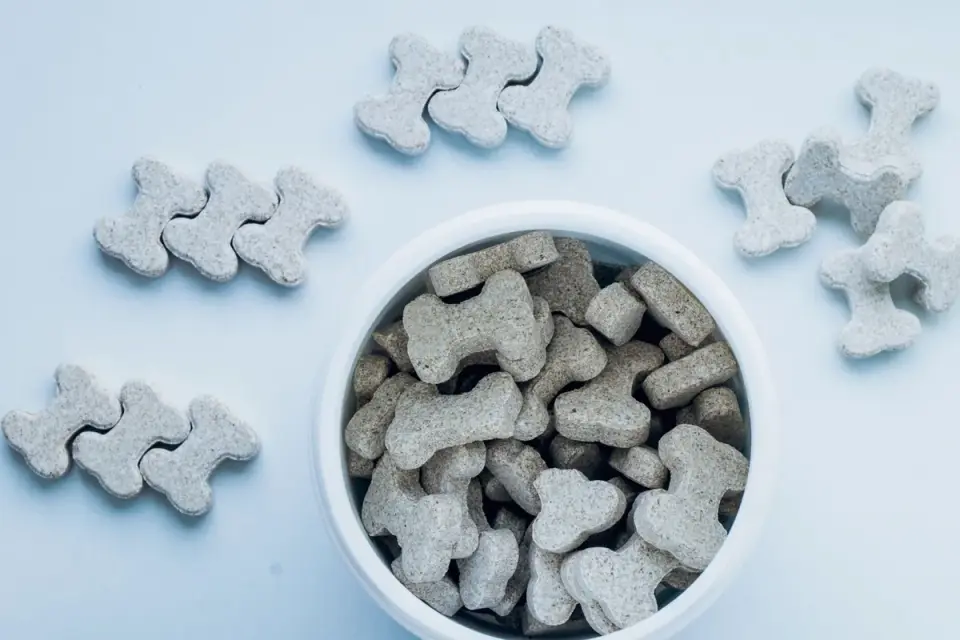
I rank texture and contact time first, VOHC acceptance second, then fit for your dog. Small dogs need a size they can chew, not swallow whole. Power chewers need a chew that lasts without splintering. Dogs with missing teeth, sore mouths, or heavy tartar need an exam before any hard chew.
Avoid xylitol, also listed as birch sugar, in any dog product. Read mint and “sugar-free” dental products closely.
Daily brushing still does the most work. Use a breath chew as the helper between brushings, not the plan. Older dogs with new or worsening odor deserve extra attention, much like other shifts covered in How Old Does a Dog Have to Be Before Signs of Aging Typically Start? and How to Keep an Aging Dog’s Brain Active and Engaged.

What to buy for fresher breath
Pick one VOHC-accepted daily dental chew in the right size, feed it after the evening meal, and give water access. If breath stays sour, fishy, or rotten after one to two weeks of daily use plus brushing, stop shopping for chews and book an oral exam. That change in odor is the sign that should change your next action.
Frequently asked questions
Do breath treats fix bad breath in dogs?
They can freshen breath for hours and some dental chews reduce plaque, but they do not treat gum disease. Persistent odor needs a veterinary dental check.
How often should I give a dental chew?
Most VOHC-accepted chews are designed for daily use in the correct size. Count them in daily calories and watch weight.
When is bad breath an emergency?
Contact a veterinarian promptly for breath plus facial swelling, bleeding, drooling, not eating, lethargy, vomiting, or suspected xylitol ingestion.
Sources
- Accepted Products for Dogs and Cats — Veterinary Oral Health Council