The best hunting dogs for birds are steady pointers like the English Setter when you want close, calm upland work.
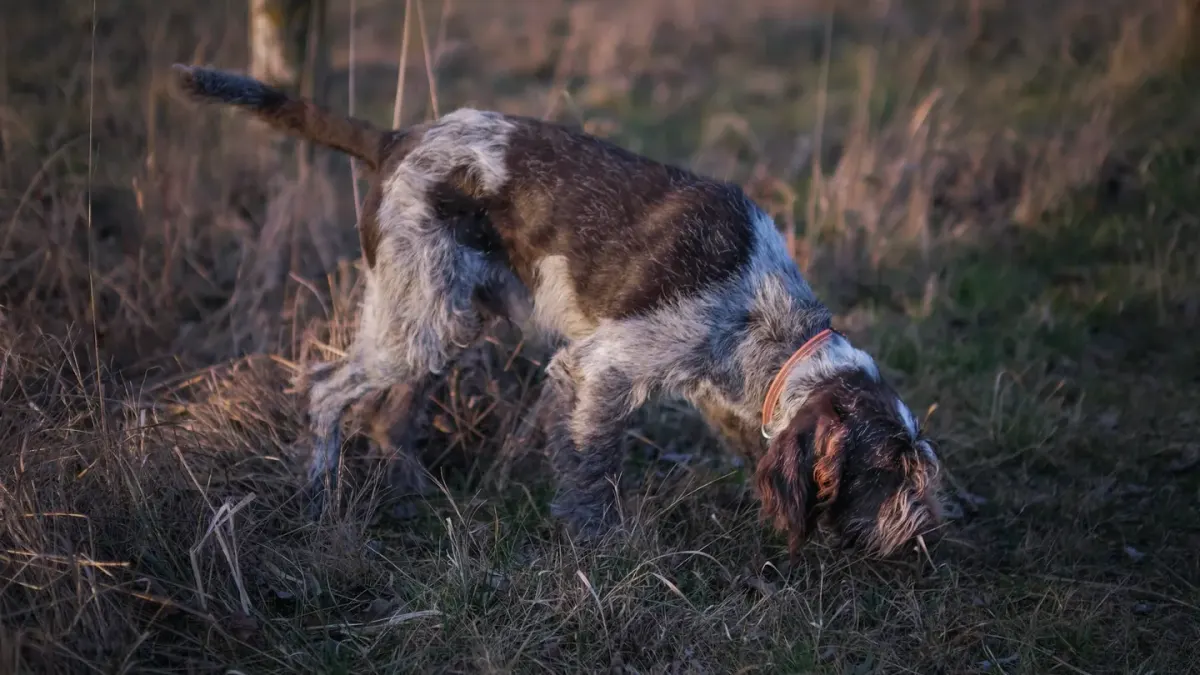
| Product | Vet rating | Key details | Best for | Pros & cons |
|---|---|---|---|---|
| English Setter | 9/10 | Medium setter; feathered coat; close working range | close upland pointing |
|
| German Shorthaired Pointer | 9/10 | Medium versatile pointer; short coat; high stamina | versatile upland and water |
|
| Labrador Retriever | 9/10 | Large retriever; dense water-resistant coat; strong swim | waterfowl retrieving |
|
| Brittany | 8½/10 | Small pointer; shorter coat; compact size | small agile upland dog |
|
| English Springer Spaniel | 8½/10 | Medium flusher; medium feathered coat; close range | flushing pheasant |
|
Which bird hunt are you planning. Answer that first, then pick the dog that fits it.
Upland quail and pheasant work asks for a close pointer or flusher. Late-season waterfowl asks for a cold-tolerant retriever. The breed sets the conditioning plan and the health checks you will live with for 10 to 14 years.
I use a three-step check with owners. Watch how the dog moves after hard work. Feel body condition over the ribs each week. Note breathing, limping, or skin and ear flare-ups after the field. Contact your veterinarian promptly for persistent lameness, heat exhaustion, cut pads that will not close, or repeated ear infections.
Match the dog to your bird hunting style
Pointers cover ground and hold birds. The English Setter Dog Breed Information describes a close-working setter with a feathered coat that needs regular brushing and ear checks after brush work. That coat picks up burrs and holds moisture. Plan for grooming time after every hunt.
Versatile dogs point and retrieve on land and water. The German Shorthaired Pointer Dog Breed Information outlines a high-energy, short-coated breed built for long days and warm early season. These dogs need daily running work outside hunting season. Without it, weight gain and restless behavior follow.
Retrievers shine for ducks and geese. The Labrador Retriever Dog Breed Information notes a dense, water-resistant coat and strong retrieving instinct, plus a tendency toward weight gain and joint stress. Keep Labs lean. Extra pounds shorten field careers.
Learn 5 Truths About Average Male Dog Lifespan before you commit, since larger hunting breeds often face shorter working lives. If allergies shape your household, read Could I Be Allergic to Dogs and Not Know It? and plan coat and shedding care. For a contrast in training needs, see Yes, Rottweilers Are Good Pets With Training.
How I scored these bird dogs
I ranked each breed for bird finding, steadiness around the flush, retrieve and recovery, ease of training for a regular owner, and everyday care load. High scores went to dogs a committed hunter can condition and maintain without constant professional handling.
Conditioning matters more than breed hype. Build distance slowly in the off-season. Check feet, nails, and ears after every outing. Carry water and rest a dog that lags, pants hard, or stumbles.
The sign that should change your next action is simple. A sound bird dog should recover by the next morning. Stiffness that lasts past 24 hours means rest and a veterinary visit is the safer next step.
Frequently asked questions
What is the best all-around bird dog for a beginner?
A Labrador Retriever or English Springer Spaniel is often easiest, with strong retrieve instinct and trainable temperaments for upland and waterfowl.
Which bird dog handles cold water best?
Labrador Retrievers and Chesapeake Bay Retrievers handle cold water best due to dense, oily coats, but still need conditioning and dry shelter.
How much exercise does a hunting dog need off-season?
Most pointing breeds and retrievers need 60 to 90 minutes of aerobic work daily, plus training reps to stay fit for hunting season.
Sources
- English Setter Dog Breed Information — American Kennel Club
- German Shorthaired Pointer Dog Breed Information — American Kennel Club
- Labrador Retriever Dog Breed Information — American Kennel Club