Dogs can have dates in tiny amounts, but sugary fruit makes a weak everyday treat.

Can dogs have dates without a vet visit after? Plain answer first. Yes, a small piece of pitted date flesh is not toxic. That does not make dates a good daily treat.
My starting premise is simple. If a treat brings mostly sugar with little nutritional payoff, skip it for everyday use. Dates fall in that group.
Quick check you can use today:
- Pit removed completely, flesh only, no added syrup or chocolate coating
- Tiny portion, counted in the daily treat budget
- Dog is at healthy weight, no diabetes, no vomiting or diarrhea, no chewing hazard
If any line fails, pick a lower-sugar option instead.
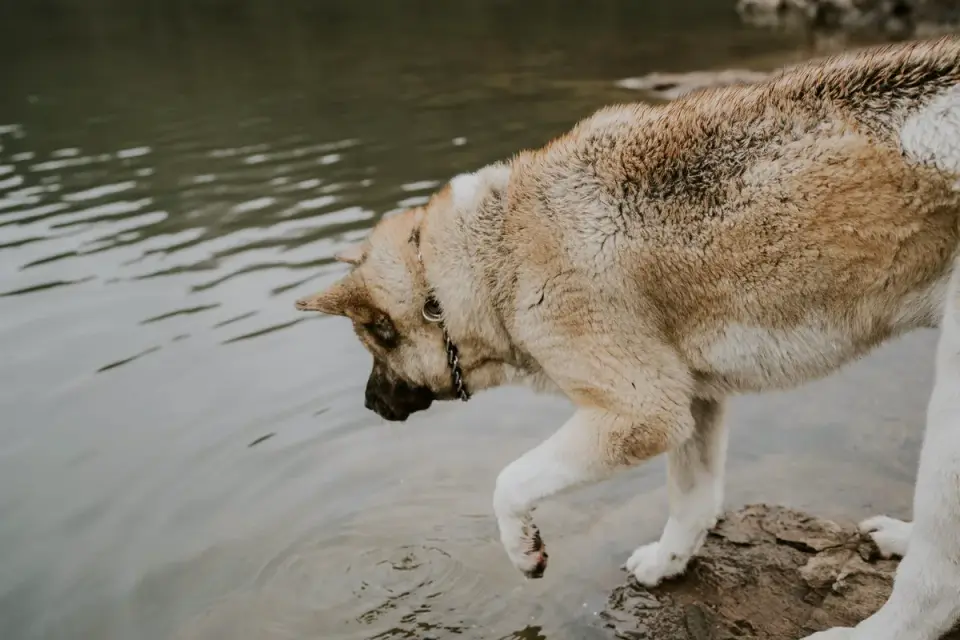
Dates will not poison your dog, but sugar adds up fast
Dates are not listed among common toxic fruits like grapes and raisins. The American Kennel Club notes that dogs can eat dates in moderation, pit removed, because the main concern is sugar and choking rather than poisoning.
That matters for worried owners. A stolen lick or one small bite is rarely an emergency. Contact a veterinarian right away if your dog swallowed a whole date with the pit, is pawing at the mouth, gagging, drooling heavily, vomiting repeatedly, or becomes lethargic.
In practice, vets often see trouble from amount, not the fruit itself. One large Medjool date can carry around 60 to 70 calories and mostly sugar. For a small dog, that can use up the whole day treat allowance in one bite.
What one date actually contains
Date flesh is sweet, sticky, and fiber-containing. The U.S. Department of Agriculture nutrient database shows Medjool dates are very high in natural sugars per 100 grams, with modest potassium, magnesium, and fiber.
Your dog does not need that sugar load. Dogs make glucose from a balanced diet already. Extra sugar can mean loose stool, gas, extra thirst, and weight gain over time.
Think in lifecycle terms. A growing, active young dog may tolerate an occasional taste with no visible change. A 9-year-old spayed female Miniature Australian Shepherd like Rizzo, living with Marcus in Glendale, California, is a different case. Marcus was weighing one date chopped into training bits during a two-week recall refresh. At her age and lower calorie needs, even that small habit showed up as softer stool by day three and less interest in dinner. The fix was plain. Dates went back in the pantry.
Water helps more than fruit after salty or sugary tastes. Keep fresh water down and watch thirst and urination for 24 hours.
My three-step check before you share
Use this order every time. It keeps a common worry from turning into a habit.
- Check the pit and coating. Feed only plain, pitted date flesh. Date pits are hard, can chip teeth, lodge in the throat, or block a small intestine. Avoid date rolls with added sugar, date syrup, and any product with xylitol, chocolate, raisins, or macadamia nuts. Cut the piece pea-sized for small dogs, blueberry-sized at most for large dogs.
- Check the dog. Skip dates for dogs with diabetes, pancreatitis history, chronic gut sensitivity, obesity, or poor dentition. Sticky sugar clings to teeth. If your dog needs weight control, read the VCA Animal Hospitals overview on obesity in dogs before adding sweet extras. Extra calories, even from fruit, work against joint and metabolic health.
- Check the count. Treats and food toppers should stay near 10 percent of daily calories. For most pet dogs, that means a taste of date once in a while, not one full date per day. One or two tiny pieces, once or twice a week at most, is plenty. Stop if stool softens, vomiting starts, itching flares, or begging ramps up.
Ezekiel, a 2-year-old neutered male Great Dane mix from Springfield, Missouri, shows where counting helps. His owner Leslie wanted a pill pocket alternative and tried half a date once. It worked, given within 10 minutes of the medication window and followed by water. She did not repeat it daily because the sticky texture stuck to his molars. A soft commercial pill aid or a small meatball of canned food was cleaner for regular dosing.
When I would skip dates entirely
Skip dates when your dog is a gulper, has missing teeth or heavy tartar, or has diabetes or a sensitive stomach. Skip them for puppies learning chew manners. A sticky chunk teaches gulping, not chewing.
Better everyday options are plainer and easier to portion. Try a blueberry or two, a thin apple slice without seeds, a small carrot coin, or a piece of the regular kibble set aside from meals. For senior dogs, steady habits matter more than novelty. Routine play, short training reps, and brain work support aging better than sweet bites, a point I return to in How to Keep an Aging Dog’s Brain Active and Engaged and How Old Does a Dog Have to Be Before Signs of Aging Typically Start?.
Watch for the sign that should change your next action. Firm stool, normal thirst, clean chewing, and steady weight mean the current treat plan is working. Soft stool the next morning, extra thirst, vomiting, belly pain, or a swallowed pit means pause the dates and call your veterinarian for next steps.
Dates are safe in tiny amounts. They are still a sugar trap as a routine treat.
Sources
- Can Dogs Eat Dates? — American Kennel Club
- FoodData Central — U.S. Department of Agriculture
- Obesity in Dogs — VCA Animal Hospitals