Dogs can sense pregnancy changes in scent, mood and routine, but preparation matters more than prediction.

Does your dog seem clingier, watchful, or just different since you became pregnant. That shift is common, and it has a simple explanation.
Your scent changes. Your routine changes. Your mood and movement change. Dogs pick up all three. That does not mean your dog understands pregnancy. Think noticed, not known.

What dogs likely notice first
Scent comes first. Pregnancy shifts hormones, sweat, skin oils, and even breathing patterns. Dogs have an extraordinary nose, and American Kennel Club notes that many owners report behavior changes in their dogs during pregnancy, likely tied to those scent and routine cues.
Watch for sniffing at the belly, following you room to room, resting a head on your lap, or hesitation around stairs and walks. Some dogs get clingy. Some get withdrawn. Both can be normal adjustment.
Shelley told me her 3-year-old Cockapoo, Baku, started sleeping against her legs every night in early pregnancy. No training change. No new house. The only change was slower mornings, more rest, and a different daily rhythm. Baku adjusted once the routine became predictable again.
Why this is not the same as knowing
Dogs learn patterns. They do not connect a scent shift to a baby arriving months later.
A dog may react to nausea, fatigue, crying, less play, new furniture, or a partner acting protective. Add them together and the dog looks worried or excited. Read it as stress or curiosity, not a prediction.
Keep handling normal. Keep feeding, walks, and sleep times steady. Dogs settle faster when the day stays familiar. For ideas that keep routine stable, short training and play sessions from How to Keep an Aging Dog’s Brain Active and Engaged work well for adult dogs too.
Run my three-step check
Use this when behavior shifts.
- Check body and basics. Appetite, thirst, stool, energy, limping, panting, or skin changes. Track for 24 to 48 hours.
- Check routine and stress. New work hours, guests, nursery setup, less exercise, louder home. Replace one lost outlet with a walk, sniff game, or chew.
- Check safety around you. No jumping on the belly, no pulling on leash, secure baby gates, and a quiet resting spot for the dog away from activity.
Call your veterinarian if appetite drops for more than a day, vomiting or diarrhea lasts, lameness appears, anxiety escalates to destructive behavior, or aggression toward people or other pets shows up. Contact your own doctor about pet hygiene, litter boxes, raw meat, and handwashing during pregnancy. General background on one relevant infection is available from the Centers for Disease Control and Prevention.
How to prepare your dog before baby arrives
Start early. Practice calm greetings, loose-leash walking with a stroller, and settle on a mat. Invite the sounds of a busy home in short sessions. Reward quiet.
Set boundaries now. Decide where the dog sleeps, eats, and rests during feeding and naps. Use the same cues every time. Ask a trainer or veterinarian for help if jumping, mouthing, resource guarding, or separation anxiety is already present.
Plan the introduction. Let the dog sniff a blanket after birth, keep the first greeting short and leashed, and give the dog a job like place or down. Supervise every interaction with an infant. Never leave a dog and baby alone together, even for a moment.
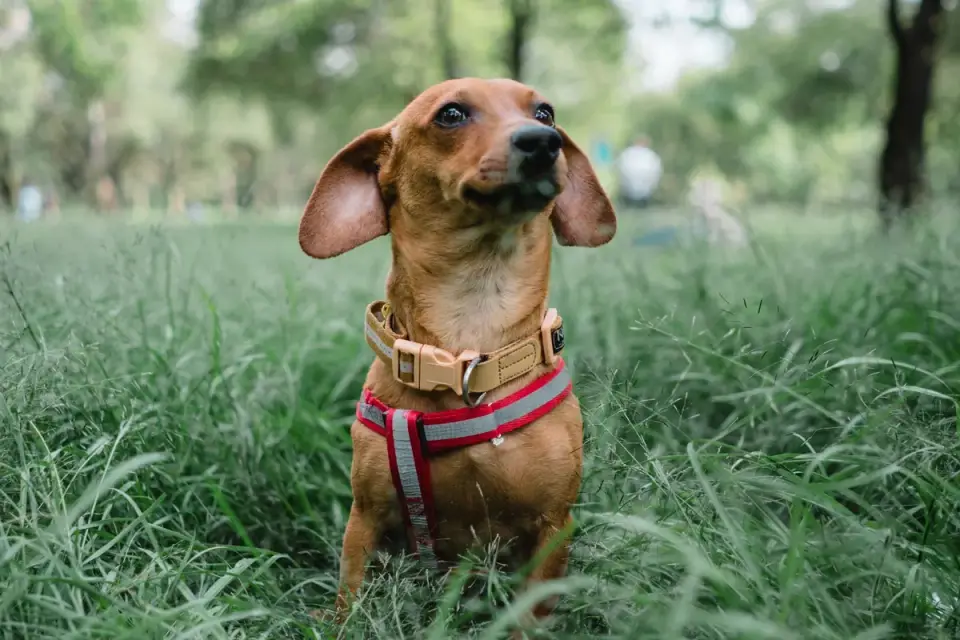
When extra clinginess needs a vet visit
Mild clinginess that fades with routine is normal. A sudden change that sticks around is worth checking.
Contact your veterinarian if clinginess comes with whining, pacing, house soiling, loss of appetite, lethargy, aggression, or panic when left alone. Bring notes on when it started, what changed at home, and what helps. That pattern points us toward pain, illness, or anxiety faster than any single symptom.
The sign that should change your next action is simple. If calm behavior returns when routine returns, keep training. If worry grows despite rest, food, exercise, and quiet space, make the appointment.
For related context, read Can Dogs on Heart Medication Also Take CoQ10?.
Frequently asked questions
Can dogs sense pregnancy before a test?
Some owners notice sniffing or clinginess very early, likely from scent and routine shifts. It is not reliable, and a pregnancy test is the way to confirm.
Why is my dog extra clingy during pregnancy?
Changed scent, less activity, new schedules, and stress cues can draw a dog closer. Keep feeding, walks, and sleep steady and reward calm settling.
Should I train my dog differently while pregnant?
Keep cues the same, but lower jumping, pulling, and rough play. Add mat training, gate boundaries, and calm greetings well before the baby arrives.
When should I worry about behavior changes in my dog?
Contact your veterinarian for aggression, panic, house soiling, appetite loss, lethargy, vomiting, diarrhea, or lameness, or if anxiety keeps getting worse.
Sources
- Can Dogs Sense Pregnancy? — American Kennel Club
- About Toxoplasmosis — Centers for Disease Control and Prevention