Skip the dried cranberries for urinary signs and call your vet for testing instead.
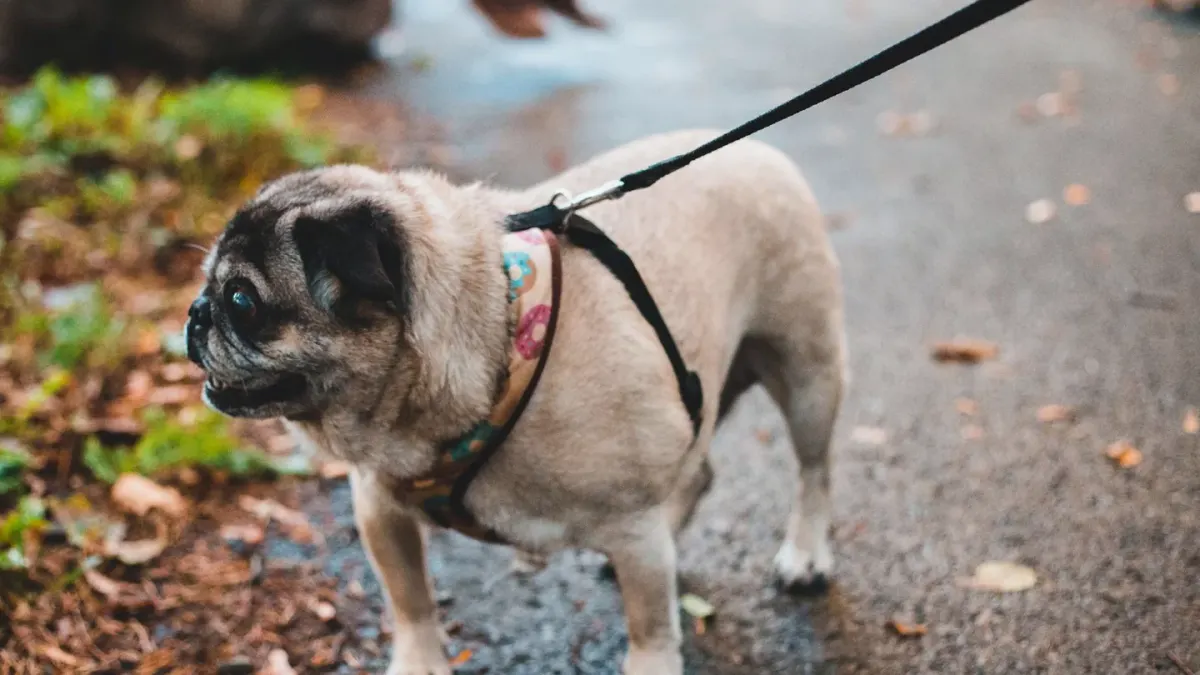
Does your dog ask to go out every hour and only pass a few drops. That pattern points to irritation or infection, not a snack deficiency.
I would not use dried cranberries as a home treatment. Most dried cranberries contain added sugar and seed oils, and there is no dose that clears bacteria from a dog bladder. Fresh water, a clean potty routine, and a same-day vet check help more.
Juliet, a 3-year-old spayed female West Highland White Terrier, fits the dogs I watch closely for this. Her owner Timothy in Salem, Oregon noticed frequent squatting and licking after walks. That change in frequency was the cue to stop trying snacks and get a urinalysis.
Why cranberry snacks do not clear infection
Cranberry has been studied in people for prevention of recurrent urinary tract infection, not treatment of an active infection. The National Center for Complementary and Integrative Health notes the evidence is mixed and cranberry has not been shown to treat an existing urinary tract infection.
Dogs add two more problems. Dried products are concentrated and sweetened, so a small dog gets a lot of sugar in a few pieces. Xylitol-sweetened or chocolate-coated dried fruit blends can also be toxic. Plain fresh cranberries are less risky, but they still do not kill bacteria.
What urinary signs need from you today
Look for straining, crying while peeing, cloudy or bloody urine, strong odor, dribbling in the house, and licking the vulva or penis. Male dogs can block, though that is less common than in cats. A dog that cannot pass urine, vomits, refuses food, or seems painful needs urgent care.
Home observation cannot replace that testing because stones, prostatitis, vaginitis, and kidney disease can look similar.
My three-step check is simple. Note frequency, volume, and color for one day. Offer fresh water and extra potty breaks without adding new treats or supplements. Call your vet if straining continues, blood appears, accidents increase, or your dog seems lethargic or sore.
What the vet visit usually involves
Bring a fresh urine sample if your clinic asks for one, plus a list of foods, treats, and supplements. Expect a urinalysis, and often culture and sensitivity testing. The VCA Hospitals overview of urinary tract infections in dogs describes antibiotics, increased water intake, and rechecks as the usual plan, with stones or anatomic issues worked up when infections repeat.
Senior dogs need closer follow-up because drinking, mobility, and kidney function change with age. If you are tracking age-related changes, read How Old Does a Dog Have to Be Before Signs of Aging Typically Start? and How to Keep an Aging Dog’s Brain Active and Engaged alongside your vet plan, not as a substitute for urinary testing.
Watch for the sign that should change your next action. Clear, comfortable, normal-volume peeing within a day of starting vet care is reassuring. Continued straining, blood, vomiting, no urine flow, or a dog that hides or pants means contact your vet again promptly.
Frequently asked questions
Can dried cranberries cure my dog's UTI?
No. Dried cranberries do not kill bladder bacteria, and sweetened dried fruit adds sugar without treating infection. Dogs with straining, blood, or frequent small urinations need veterinary testing and targeted treatment.
Are dried cranberries toxic to dogs?
Plain cranberries are not typically toxic, but many dried products contain added sugar, and some trail mixes contain raisins, xylitol, or chocolate that are dangerous. Check the label and call your vet if your dog ate a sweetened mix.
Sources
- Cranberries and Urinary Tract Infections — National Center for Complementary and Integrative Health
- Urinary Tract Infections in Dogs — VCA Hospitals