No — don't toss it back; a calm talk and a quick photo log solves the problem faster than retaliation, unless your city tells you to handle it differently.

Can you throw your neighbor’s dog poop back in their yard when it keeps landing in yours? I get the urge. Bagging someone else’s dog mess gets old fast.
My short answer is no. Leave it where it is for now, talk to the neighbor once, then document and report if it keeps happening.
Tossing it back feels fair in the moment. It rarely ends there. It starts fence-line arguments, camera disputes, and HOA letters. A clear request plus a paper trail holds up better.
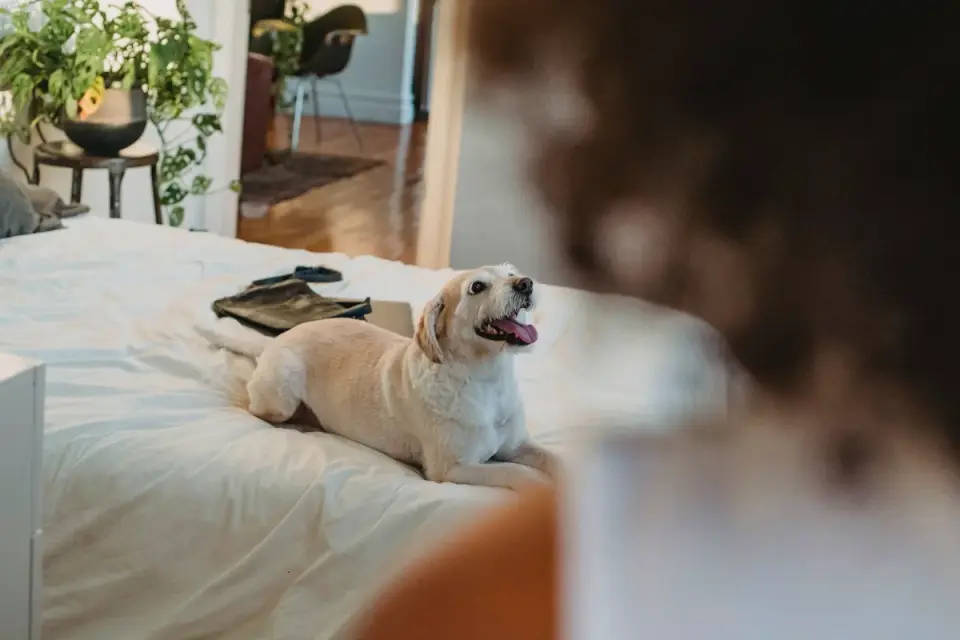
Why tossing it back makes things worse
Retaliation turns you into part of the problem. Most cities treat pet waste as the owner’s responsibility to remove, and throwing waste onto someone else’s property can count as littering or trespass even if the poop started with their dog.
It also removes your proof. Once you move it, you cannot show where it landed, how often it happens, or whose dog left it. Keep it in place until you have a photo.
There is a health angle too. Dog stool can carry roundworms, hookworms, Giardia, and other germs that linger in soil. The U.S. Environmental Protection Agency notes that pet waste left on the ground can wash into waterways, which is why prompt pickup matters. The Centers for Disease Control and Prevention reminds dog owners to pick up after pets and wash hands after handling waste. Flinging it spreads that risk around.
Clarence, in Toledo, noticed fresh piles near the sidewalk where he walks Cola, his 3-year-old spayed terrier mix. He was tempted to scoop and toss them back over the low fence next door. He took phone photos with dates instead. That log made the next talk much calmer.
What to try first with the neighbor
Keep it short, specific, and friendly. Most people respond better to one clear ask than to a long complaint.
Try this three-step check:
- Notice the pattern. Time, spot in the yard, and whether the dog is loose or walked off leash.
- Ask once in person or with a short note. Name the spot, name what you need, keep it kind.
- Watch what changes. Give it a few days. One loose-dog visit is different from daily visits.
You could say: Did your dog get into my front yard Tuesday morning. I found stool by the mailbox. Can you keep him leashed past my lot. I am trying to keep the area clean for kids and dogs.
Avoid threats, anonymous notes, or moving the waste to their porch. If you rent, loop in the landlord early with the same facts.
When to document and call the city
If the talk does not work, switch to records. Take a dated photo of each pile before you clean it, save texts or emails, and note witnesses. Pick up the stool with a bag and gloves, wash your hands, and keep your own yard clean so the pattern stays clear.
Then report through the right channel. Many cities handle this under leash, at-large, nuisance, or pet-waste rules. Call animal control or code enforcement, or file online with your photos and dates. An HOA can help too if you have one. Ask what proof they need and what happens after a first warning.
Contact your veterinarian or your doctor if a child or dog mouthed stool, or if you see diarrhea, blood, worms, vomiting, or lethargy after exposure. Bring a fresh stool sample in a sealed bag when the clinic asks for one. For daily routines that keep dogs settled, structure helps — regular enrichment like the ideas in How to Keep an Aging Dog’s Brain Active and Engaged and steady preventive care like the habits in How Old Does a Dog Have to Be Before Signs of Aging Typically Start lower roaming and stress behaviors.
The sign to escalate is repetition. One pile after a friendly ask is a mistake. Fresh piles twice a week after that is a pattern. That is when the log, not the shovel, does the work.
Frequently asked questions
Is it illegal to throw dog poop back into a neighbor's yard?
It can be. Many cities treat it as littering, dumping, or trespass even if their dog left it first. Check your city code or ask animal control before you move waste onto someone else's property.
What should I do if my neighbor will not pick up after their dog?
Ask once, kindly and directly. Then photograph each incident with the date, clean it safely, and report the pattern to animal control, code enforcement, or your HOA.
Sources
- What You Can Do in Your Yard — U.S. Environmental Protection Agency
- Healthy Pets, Healthy People: Dogs — Centers for Disease Control and Prevention