You can buy a dog already trained, but you still have to learn the cues to keep that training.
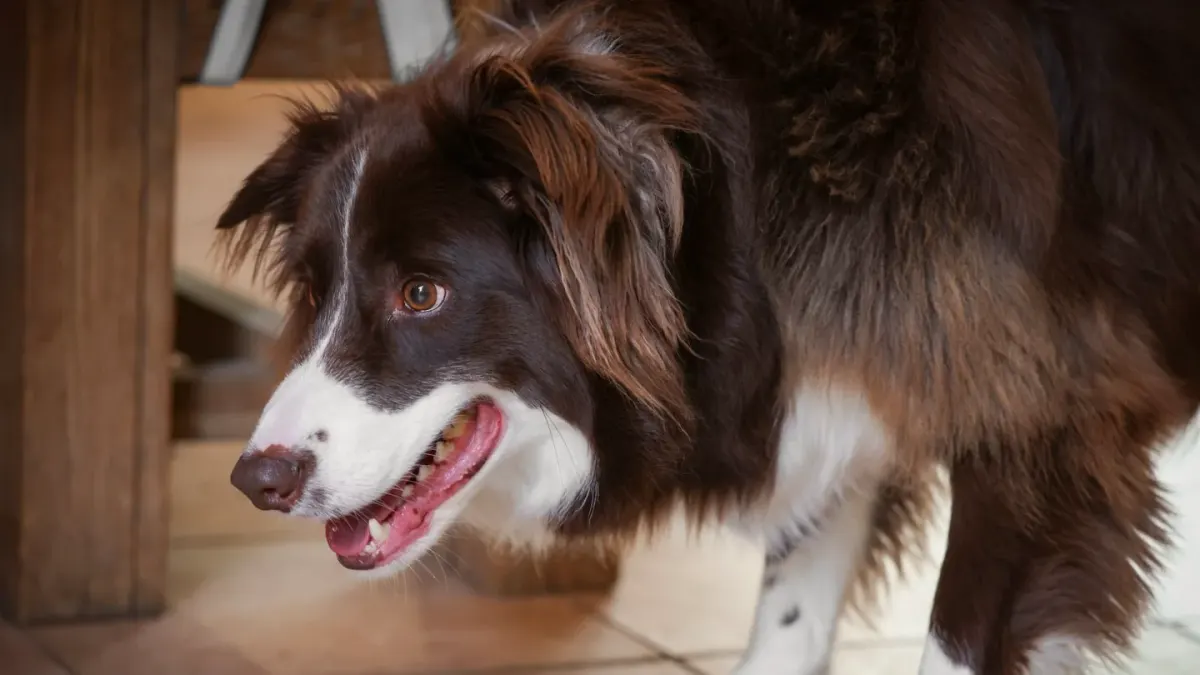
Can you buy a dog that’s already trained? Yes. Trainers, programs, and some breeders sell dogs with house manners, leash skills, and basic obedience already started.
My premise is simple. You are not buying a finished dog. You are buying a handoff.
Training lives between a specific person and a specific dog. Change the person, the house, the routine, and many dogs test what still counts. That does not mean you were scammed. It means dogs repeat what gets reinforced in the new home.
What “trained” usually means when a dog is for sale
Ask what the label covers. “Trained” has no standard definition.
A started puppy may know sit, down, come, crate, and leash walking in one quiet yard. A personal-protection or service-task dog may have months of proofing in public. Most pet-market “trained dogs” fall in the middle: house-trained, crate-comfortable, polite on leash, and steady with basic cues.
Ask for video in real settings, not only in the training field. Can the dog settle in a kitchen, ride calmly, pass another dog at 10 feet, and hold a down while food drops? Get the exact cue words, hand signals, reward type, and daily schedule in writing.
Rewards matter more than owners expect. Guidance from the American Veterinary Society of Animal Behavior supports reward-based methods for learning and welfare, and warns against fear- or pain-based techniques. If a seller will not tell you how they trained the behavior, walk away.

My three-step check before you pay
Start with what you can see today.
1. Watch the transfer lesson. A good seller trains you, not just the dog. You should handle the leash, give the cues, feed the rewards, and practice the daily routine for at least one full session. Fumbling is normal. No coaching is a red flag.
2. Test the boring stuff. Ask to see mornings, meals, crate time, door manners, and alone time for two to three hours. Many “perfect” dogs struggle with separation, counters, trash, or night settling in a new floor plan.
3. Check health and behavior history. Ask for vet records, age, vaccines, parasite prevention, bite history, fear triggers, and what makes the dog shut down. Contact a veterinarian before purchase if you hear about growling, snapping, resource guarding, panic on walks, or house soiling that never resolved.
Theresa in Kent was weighing a 2-year-old neutered male like Hutch, a Soft Coated Wheaten Terrier advertised as fully house-trained and leash-trained. The detail that changed her plan was distance: the seller was 40 miles away and offered no transfer lesson. She asked for two 60-minute handoff sessions and a written cue list instead, plus a two-week check-in.
When I would tell you not to buy
I would not buy a pre-trained dog for a problem you have not seen.
Fear, aggression, separation anxiety, and heavy prey drive do not transfer cleanly. A dog that behaves for a pro can still bark, lunge, guard, or panic with a new owner in a busier home. That is the wrong place to shortcut.
Skip it if the seller promises guarantees, uses secret tools, will not let you visit, pushes a young puppy as “fully trained,” or prices protection work without proof of control around kids, guests, and other dogs.
A better fit is a well-started adolescent or adult with ordinary manners, plus your commitment to practice 10 to 15 minutes daily for the first month. Short reps keep cues fresh, and you can build on them with ideas from how to keep an aging dog’s brain active and engaged and how old does a dog have to be before signs of aging typically start.
You keep what you rehearse.
Watch for the sign that should change your next action. If cues fade, pulling returns, or the dog stops responding within the first 14 days, tighten the routine and call the trainer for a tune-up before bad habits lock in.
Frequently asked questions
How much follow-up training does a pre-trained dog need?
Plan on daily practice for the first month, usually 10 to 15 minutes split into short sessions, plus the same cues, rewards, and house rules the trainer used.
Is a pre-trained dog good for first-time owners?
It can help if the dog has calm house manners and the seller includes hands-on coaching, but fear or aggression cases still need direct owner skill-building and veterinary guidance.
Sources
- Humane Dog Training Position Statement — American Veterinary Society of Animal Behavior