Keeping a wolf as a pet sounds wild and loyal, but home life cannot meet their needs.
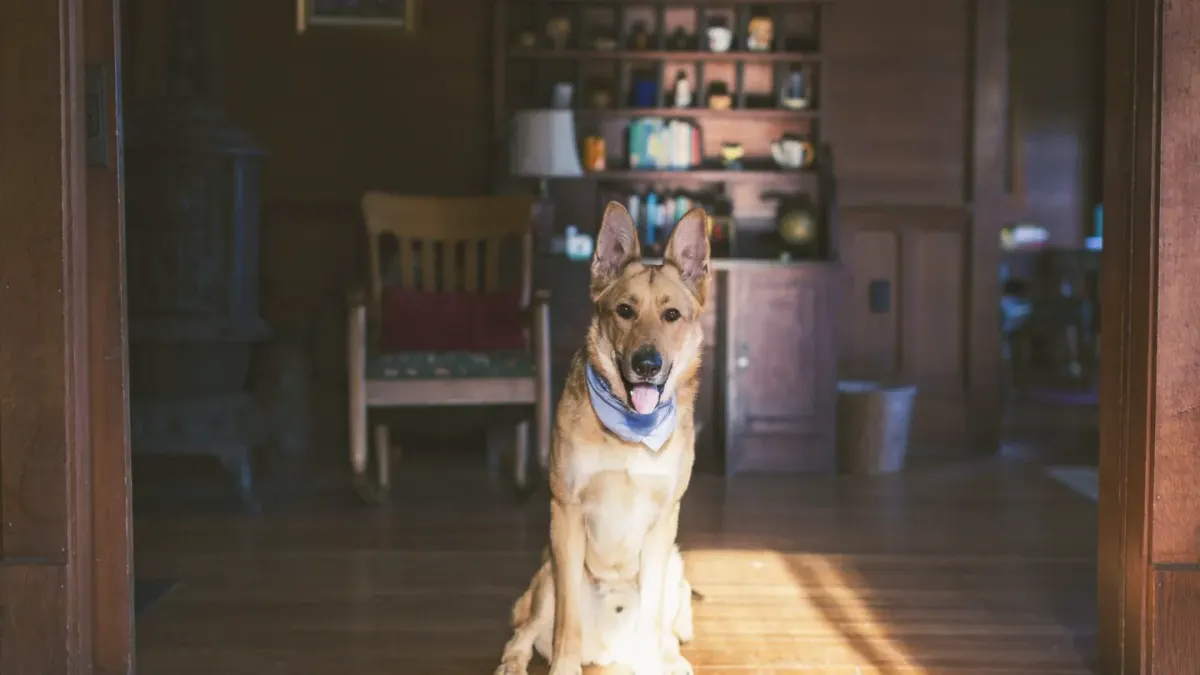
Can you have a wolf as a pet in a normal house? Technically in a few places, but you should not try.
Wolves stay wild even when raised by people. They roam for miles, shy away from strangers, guard food, and chew through fences and doors. A living room cannot replace that range.
Here is the quick check I want every wolf lover to run first:
- Space and containment: Can you offer acres of secure, 8-foot fencing with dig guards every day for 10-plus years?
- Behavior and safety: Can you manage shy, fear-based avoidance, strong prey drive, and resource guarding around kids, guests, and pets?
- Law and care access: Is ownership legal where you live, and will a veterinarian and insurer actually take a wolf or wolfdog?
If the answer to any line is no, choose a dog.

Wild behavior does not fade with hand-raising
Dogs were selected for thousands of years to read people and settle in homes. Wolves were not.
The U.S. Fish & Wildlife Service describes gray wolves as wide-ranging social predators that live in packs and depend on large territories. The National Park Service notes Yellowstone wolf packs travel and hunt across very large home ranges, which shows how much movement is normal for them.
In a house that drive turns into pacing, escape attempts, howling at night, and destructive chewing. Vets often see shy canids freeze or flee from visitors, then guard high-value food once they feel cornered.
That is not a training failure. It is the species acting normally in the wrong setting.
My three-step check before anyone considers a wolf
Start with what you can observe and prove today.
1. Measure the real range. Track your fenced area and daily roaming time. A large yard is still a fraction of a wolf territory. If long confinement is the plan, stop here.
2. Test for guest reality. Wolves usually bond to one or two people and avoid everyone else. Picture vet exams, repair visits, and children running in. If you need a social, easygoing animal, a wolf will disappoint you.
3. Call before you commit. Call your state wildlife agency, county animal control, homeowners insurer, and a local exotic-animal veterinarian. Ask plainly about wolf and wolfdog permits, bite rules, and whether they will treat or cover the animal. Get the answer in writing.
Contact a veterinarian right away if you already house a wolfdog and see repeated escape behavior, growling over food, or fear biting. Calm escalation matters more than punishment here.
A dog gives wolf lovers the better answer
This is where I concede the appeal. Northern breeds look and act a little wild, and they still sleep on the couch.
If you want the look, consider an Alaskan Malamute, Siberian Husky, or German Shepherd mix from a shelter or responsible breeder. If you want the project, put that energy into training, hiking, and enrichment. Daily sniff walks, food puzzles, and recall work meet a dog’s needs in a way a backyard never meets a wolf’s.
For senior-dog owners reading this through a longevity lens, the same home-based care wins. Steady meals, brain games, and movement support aging well. My guides on how to keep an aging dog’s brain active and engaged and how old does a dog have to be before signs of aging typically start walk through that routine.
Choose the animal that can thrive with you.
Frequently asked questions
Are wolfdogs safer or easier than pure wolves?
No. Wolfdogs vary widely, but many keep wolf traits like shyness, escape drive, and guarding, plus unclear legal status in many states and counties.
What dog looks most like a wolf but acts like a pet?
Alaskan Malamutes, Siberian Huskies, and some Shepherd mixes offer the look with trainable pet behavior, though they still need heavy exercise and coat care.
Sources
- Gray Wolf — U.S. Fish & Wildlife Service