
On this page
Does your dog treat every walk like a buffet? You pull chicken bones from his mouth on Monday, goose droppings on Wednesday, and you wonder if a probiotic can make his gut tougher. Training to leave trash alone still comes first, yet the gut question is fair because scavengers get more chances for loose stool and gas.
Picture a lanky, three-year-old beagle mix who weighs 24 pounds and patrols the same park path each morning. His owner counts four separate grabs in one week — pizza crust, a napkin, duck droppings, and something unidentifiable near the bins. By Friday his stools slide from firm logs to soft piles that lose shape on the grass, and the question shifts from manners to whether his gut needs backup while training catches up. That is the exact decision point where label reading matters more than marketing.
Is this a training problem or a gut problem
It is both. Scavenging is a behavior, and the aftermath is digestive. Trash, compost, bird droppings, and stagnant water can carry bacteria and fat loads that a home-fed gut does not expect. A short bout of soft stool after a known grab does not automatically mean your dog needs a daily supplement for life.
Contact your veterinarian right away for repeated vomiting, bloody stool, lethargy, a swollen belly, or a known chicken bone, corn cob, xylitol, grape, or medication ingestion. Those signs point past supplements.
What street snacks do to normal digestion
A stable routine keeps most dogs regular. Scavengers break that routine every few days. Fatty scraps can loosen stools, fiber gaps can swing a dog between soft and hard, and sudden microbes can increase gas. The National Institutes of Health Office of Dietary Supplements explains that probiotic effects are strain-specific and condition-specific, which is why a generic promise of gut support tells you little.
Research also reminds us to stay modest. In one canine trial, “Diversity metrics did not distinguish non-responders from responders.” That finding, reported in Frontiers in Veterinary Science, fits what owners see at home. Two dogs can take the same product and stool-watch very differently.
A friend tried the shortcut version with a sturdy five-year-old terrier blend who counter-surfed as well as street-surfed. She spooned plain yogurt over kibble for six nights and expected firmer mornings. Gas got louder, midday urgency stayed, and the dog still lunged for trash because the taste reward had not changed. Dairy added lactose this dog did not need, the culture strains were chosen for people, and there was no training plan alongside the bowl. The tradeoff was clear. A kitchen fix felt easy and delayed the two things that actually help scavengers — leave-it practice and a product made for dogs with clear feeding directions.
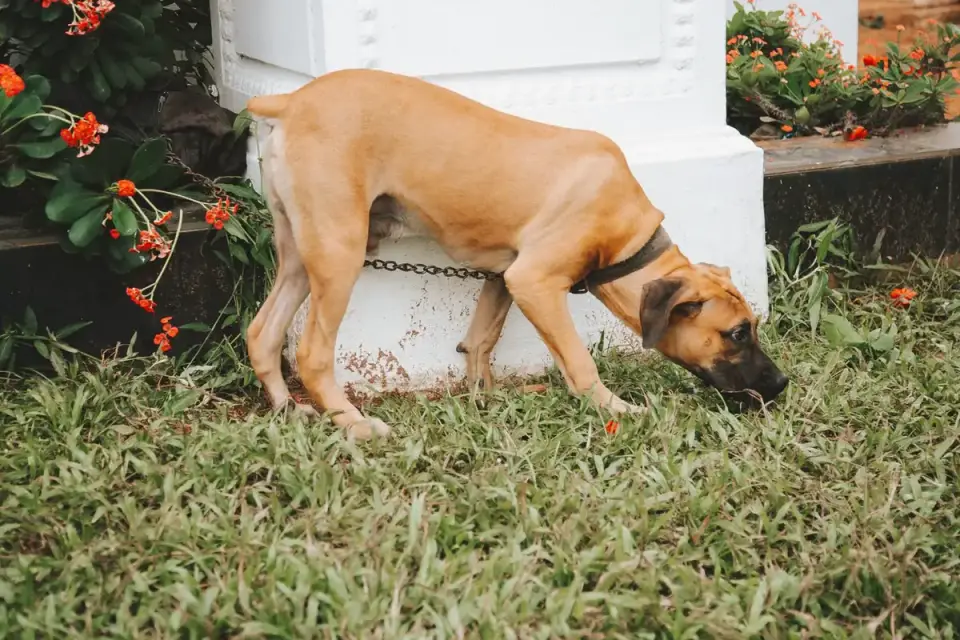
How to narrow a label for a dog that grabs trash
Look for fit, not hype. A dog that scavenges needs a simple, consistent formula you can give daily while you work on leave-it and drop-it.
My filter has three parts. First, match the strain to the symptom. For recurrent soft stool or gas after minor diet indiscretions, look for a dog-specific Lactobacillus or Bifidobacterium or Enterococcus strain with the full strain name on the label, plus a stated reason for use. Second, check quality control. A National Animal Supplement Council seal, lot number, expiration date, and storage directions tell you the company submits to outside audits. Third, keep the rest of the label boring. Short ingredient list, no xylitol, clear feeding directions by weight, and a customer line you can actually call.
A sceptical friend would ask if this just firms stool while the dog keeps eating garbage. Fair doubt. The honest answer is yes if you stop at the jar. A probiotic cannot teach a leave-it, dissolve a bone, or neutralize toxins. Use it only as steady background support while muzzle training, leash handling, and vet checks do the heavier work. Older gulpers add another wrinkle worth reading in How Old Does a Dog Have to Be Before Signs of Aging Typically Start? and How Collagen Production Changes as Dogs Age, since senior guts and joints change the walk plan.
Then there is the case where the usual daily-probiotic advice has to bend. Think of an eleven-year-old shepherd mix with early kidney disease and a new habit of licking park trash on a half-mile evening loop. Her owner wanted to start a strong multi-strain powder on day one and track stools by day ten. With age, medication, and a chronic condition in the mix, the safer sequence was different. Vet visit first, medication review, bland consistent meals for a short stretch, and only then a single simple supplement if the vet agreed. The observable marker was not just stool shape but thirst and urination across those ten days, which changed the next call more than any label could.
One short rule holds across these stories. Training stops the next grab.
Keep walks boring for two weeks after you start anything new. Same route when you can, short leash past bins, treat for check-ins, and note stool shape each morning.
What to watch before you rebuy
Give any change a clean two-week trial unless your vet says otherwise. Log grabs, stool form, gas, vomiting, and appetite. If stools hold shape, gas eases, and grabs drop because training improved, you have a workable routine. If soft stool lasts more than two days, blood appears, vomiting repeats, or your dog guards trash and gulps faster, pause the supplement and call your clinic.
Which morning sign would make you keep the plan, and which one would make you call your vet that same day?
Frequently asked questions
Will a probiotic stop my dog from scavenging?
No. It may support steadier digestion during training, but leave-it training, leash management, and sometimes a basket muzzle prevent the next grab.
How long should I try a probiotic for a scavenger?
Track stools, gas, and grabs for about two weeks on a consistent diet. If there is no clear change or signs worsen, stop and ask your veterinarian about next steps.
When is scavenging an urgent vet visit instead of a supplement question?
Call promptly for bloody stool, repeated vomiting, lethargy, belly pain or swelling, or eating bones, corn cobs, grapes, xylitol, or medications.
Sources
- Probiotics - Health Professional Fact Sheet — National Institutes of Health Office of Dietary Supplements
- Understanding the NASC Quality Seal Program — National Animal Supplement Council
- Canine probiotic responders versus non-responders analysis — Frontiers in Veterinary Science