That goose-honk cough worries owners for good reason, and sound alone cannot confirm collapsed trachea in dogs.
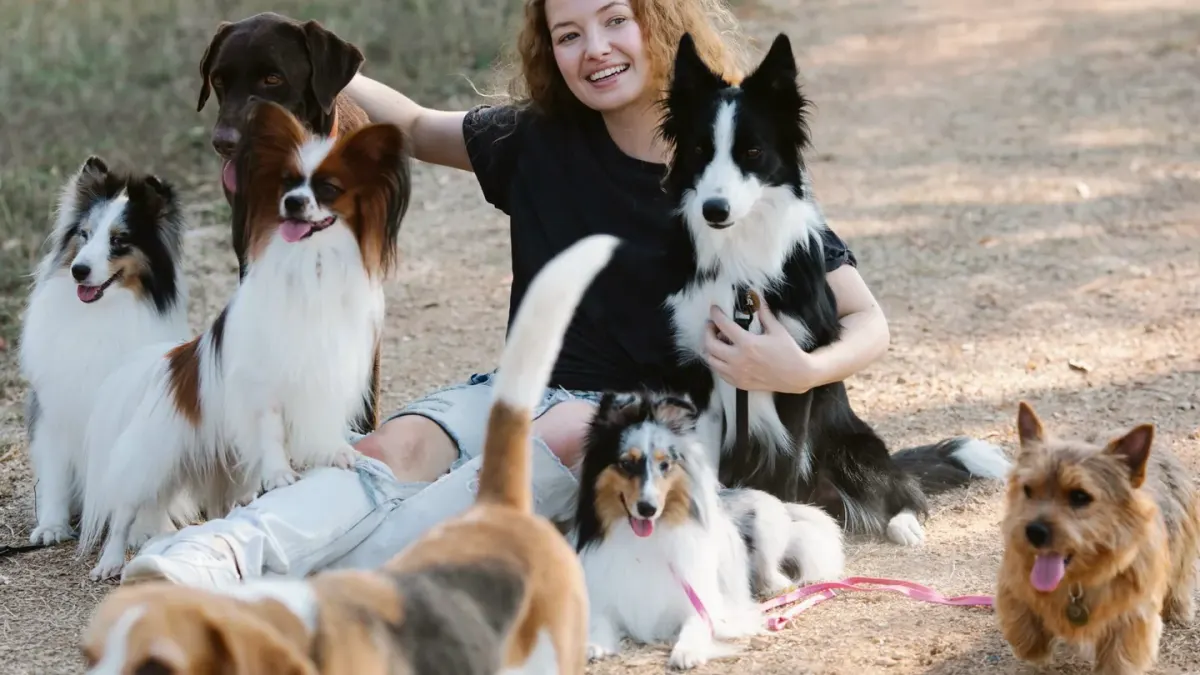
Does that cough sound like a goose honk on repeat? That harsh, dry sound is the classic owner description for collapsed trachea in dogs.
Listen once, then check the pattern. A tracheal cough is usually dry and hacking, comes in fits with excitement or pulling on a collar, and stops as quickly as it starts. VCA Hospitals describes this chronic, intermittent honking cough that often worsens with pressure on the neck, heat, or exercise.
Here is the problem. Other conditions make a very similar noise.
Kennel cough, laryngeal paralysis, reverse sneezing, and even heart-related coughing can all sound harsh or honking to an owner at home. Merck Veterinary Manual notes that diagnosis requires handling, imaging, and ruling out other airway disease, not sound alone.
Use this three-step check the next time it happens.
Watch what sets the cough off
Note the trigger, the length of the fit, and how fast your dog recovers. Tracheal irritation often flares when your dog pulls on a leash, gets excited, drinks fast, or breathes hot air. Write down one line: what happened right before, how long it lasted, and breathing after.
Switch to a well-fitted harness today to take pressure off the neck.
Look at the whole dog, not the noise
Watch posture, gums, energy, and effort to breathe. Contact a veterinarian promptly if you see blue or pale gums, fainting, constant open-mouth breathing, wheezing between fits, or a wet productive cough with fever or lethargy. Puppies with sudden harsh cough after boarding or daycare need a veterinary visit for infectious causes.
This distinction matters because treatment points in different directions.
Ask for confirmation at the clinic
Bring a short phone video and your trigger notes. Your veterinarian will listen to the heart and lungs, palpate the trachea gently, and often recommend neck and chest X-rays taken on inspiration and expiration. Fluoroscopic evaluation is sometimes used to watch the airway move in real time.
Keep your dog calm, cool, and at a healthy weight while you wait for answers.
That plan helps for everyday triggers like pulling and overexcitement, much like reading early body cues helps in other moments. Owners dealing with growl-versus-grin confusion can use the same watch-the-context habit described in Is My Dog Growling or Smiling? How to Read the Difference, and families managing introductions can borrow the slow pace from What “Give Her Some Love” Actually Means When You Introduce Your Dog to Family.
Call sooner if the honk turns into struggle. A dog that cannot settle, paces to breathe, or coughs through the night should be seen the same day.
Frequently asked questions
What does collapsed trachea in dogs sound like?
Most owners describe a dry, harsh goose-honk or hacking fit that starts with excitement or leash pressure and stops quickly. Sound alone cannot diagnose it because infections and other airway problems can mimic it.
When should I call the vet for a honking cough?
Contact a veterinarian promptly for fainting, blue or pale gums, labored breathing between fits, a wet cough with fever, or a cough that will not stop. Bring a short video and a note about triggers.
Sources
- Tracheal Collapse in Dogs — VCA Hospitals