Cancer is the top cause of death in older dogs, so monthly lump checks and senior exams catch change early.
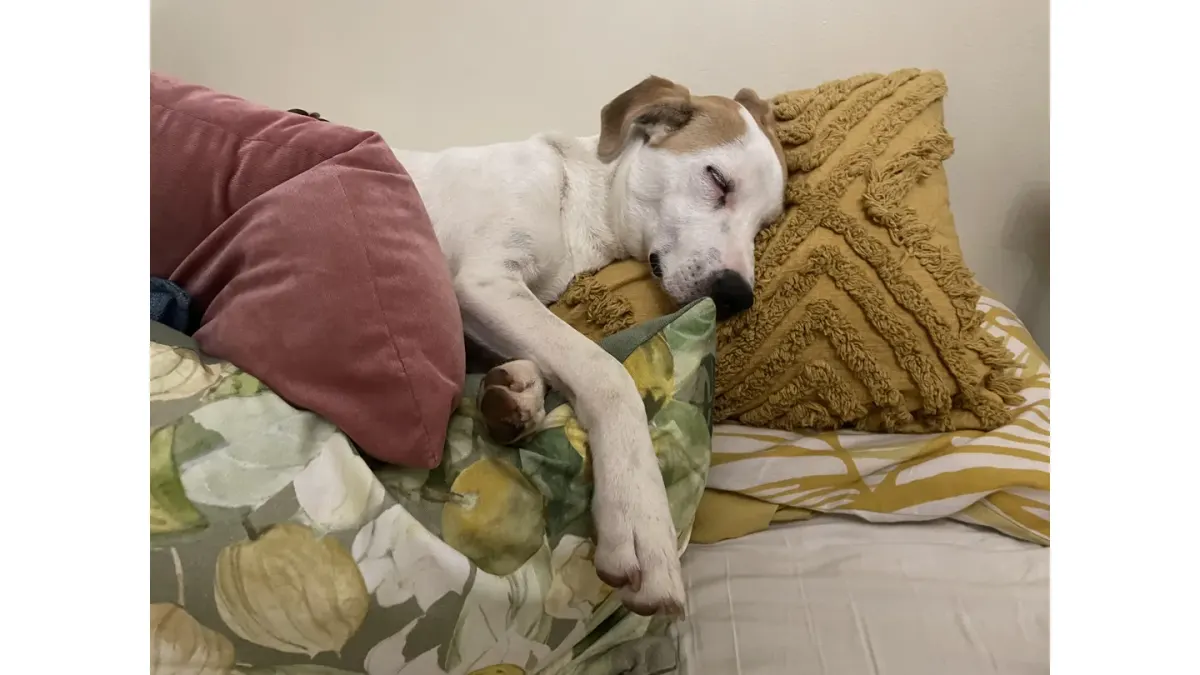
Does your dog feel healthy today, and you wonder what most often shortens life later? Cancer leads for older dogs. Age shifts the risk, and early change is often quiet.
Young dogs die more often from trauma, infection, or congenital problems. After middle age, cancer moves to the front. Researchers tracking North American dogs described cancer as the leading cause of death in older animals in the Journal of Veterinary Internal Medicine. A large UK survey of purebred dogs found a similar pattern, with cancer accounting for a large share of deaths in adults, as reported in the Journal of Small Animal Practice. The American Veterinary Medical Association notes that almost half of dogs over age 10 may develop cancer.
Why age changes the answer
Breed, size, and age shape risk. Large breeds often face cancer earlier. Small breeds often live longer, then face cancer plus heart or kidney disease. No single breed result applies to every dog.
Think in life stages. Puppy and young adult: focus on safety, vaccines, parasites, training, and nutrition. Middle age to senior: keep weight lean, keep teeth and skin checked, and watch for new lumps, weight loss, appetite change, or slowing down.
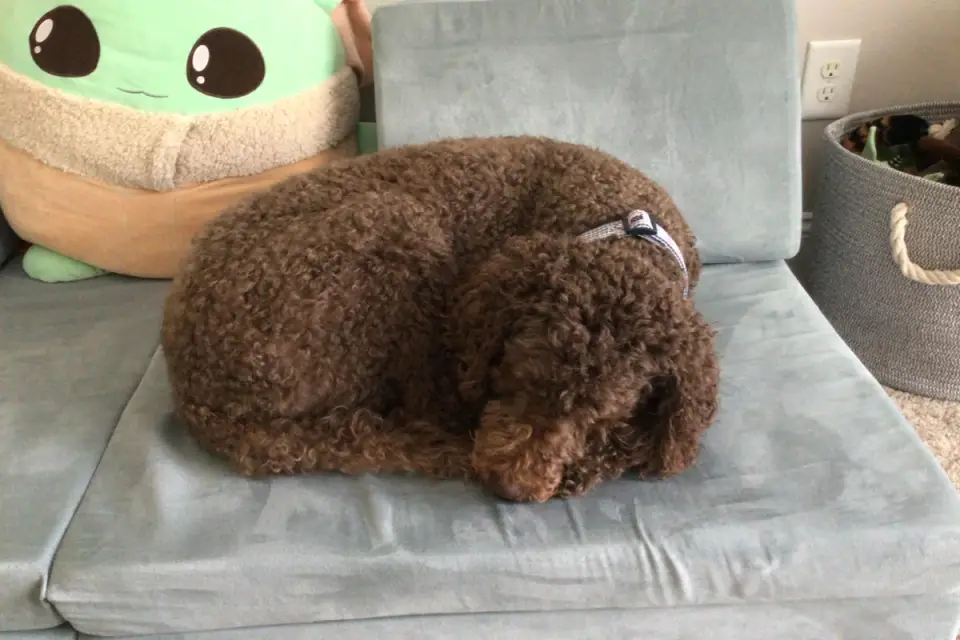
The signs owners most often miss first
Cancer rarely starts with collapse. It starts with small change. Watch for a new lump, a sore that stays open, weight loss without diet change, less interest in food, new limping, cough, belly swelling, or odor or bleeding that persists.
Danielle in San Bernardino noticed this with Esme, a 7-year-old spayed female shepherd mix. Esme ate and played as usual. Danielle felt a pea-sized lump along the ribs during belly rubs. It did not hurt when touched. She wrote down the date, size, and spot on a phone photo. That record made the clinic visit faster and clearer.
Change in eating or comfort matters too. If a sick dog turns away from food, review why small dogs refuse hospital food for calm next steps. If behavior shifts, review how to read growling versus smiling before you assume mood alone explains it.
A three-step check you can do today
Do this once a month. It takes five minutes.
- Feel. Run flat fingers over head, neck, chest, belly, legs, and tail base. Note any new lump, its size in peas or grapes, and whether it moves under skin.
- Look. Check mouth gums, eyes, ears, skin, nipples, and testicles if present. Note bleeding, color change, swelling, or sores past one to two weeks.
- Track. Log weight, appetite, thirst, energy, cough, limp, vomiting, or diarrhea. Bring photos and dates to the exam.
Call your veterinarian promptly for fast-growing lumps, lumps larger than about 2 centimeters, sores that do not heal, unexplained weight loss, persistent loss of appetite, trouble breathing, pale gums, belly swelling, or ongoing vomiting, diarrhea, or lameness. For senior dogs, most clinics suggest exams every 6 to 12 months, with blood and urine testing as advised for age and breed. Ask what interval fits your dog.
You cannot prevent all cancer. You can lower background risk. Keep body condition lean. Keep up with preventive care. Limit tobacco smoke exposure. Use sun protection for thin-coated, light-skinned belly areas when your veterinarian advises it. Report change early, when options are widest.
The observable sign that should change your plan is newness plus persistence. A new lump, a new loss of weight, or a new loss of appetite lasting more than a day or two deserves a call. Early checks do not guarantee more years. They give your dog the best chance at more good days.
For related context, read Why Recurrent Paw Licking and Itching Need a Multimodal Allergy Plan.
For related context, read Why the Wildest Dogs Always Seem to Have the Cutest Names.
Frequently asked questions
What is the number one cause of death in dogs?
For older dogs, cancer is the leading cause. In young dogs, trauma, infection, and congenital disease cause more deaths. Risk rises with age, size, and breed.
At what age should I start lump checks?
Start monthly checks in young adulthood so you know what is normal, then stay consistent from middle age on. Report new, fast-growing, or non-healing changes promptly.
When is a vet visit urgent?
Call promptly for trouble breathing, pale gums, belly swelling, collapse, ongoing vomiting or diarrhea, persistent appetite loss, unexplained weight loss, or a fast-growing lump.
Sources
- Mortality in North American Dogs from 1984 to 2004: An Investigation into Age-, Size-, and Breed-Related Causes of Death — Journal of Veterinary Internal Medicine
- Methods and mortality results of a health survey of purebred dogs in the UK — Journal of Small Animal Practice
- Cancer in Pets — American Veterinary Medical Association