No, dogs are not 99% wolf, and small genetic differences explain why wolf-style training and raw diets often backfire.
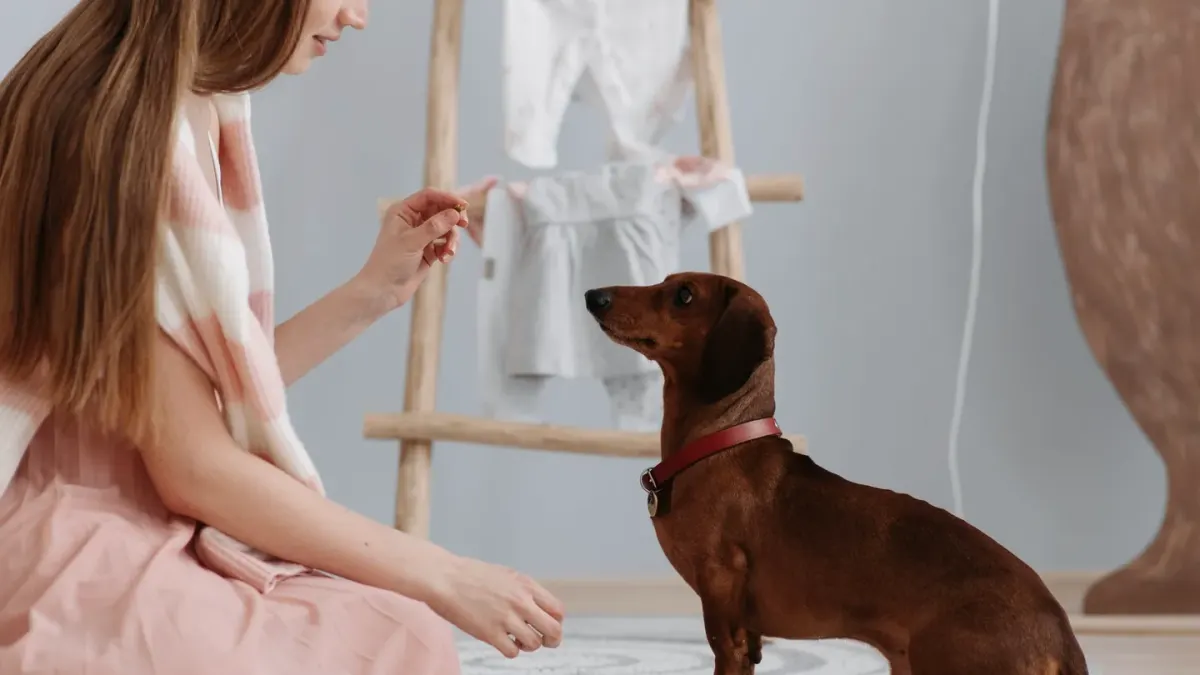
No, dogs are not 99% wolf, and small genetic differences explain why wolf-style training and raw diets often backfire.
Dogs descended from wolves. That part is settled. The percent is where owners get misled.
Estimates of shared DNA move around by method, sample, and what counts as shared. They do not mean your dog thinks, learns, or digests food like a wolf.
What the 99% number gets wrong
Dogs and gray wolves share a recent common ancestor. Genetic work published in Nature mapped the dog genome and confirmed that close relationship at the sequence level.
Close does not mean same. A small fraction of the genome controls digestion, development, social behavior, and fear response. Change a few key genes and you get an animal that reads human gestures, tolerates starch, and lives in a house.
Selection did exactly that. Dogs evolved extra copies of starch-digestion genes, shifts in behavior and development, and physical traits that wolves do not show. The headline number hides those functional changes.
An earlier mitochondrial DNA study in Science pointed to divergence from wolf populations, not identity with them. Think cousin line, not copy.
That distinction matters for daily care. A wolf must avoid people to survive. A dog must read people to thrive.
Why wolf rules make dog behavior worse
Wolf-based advice usually sounds like this: be the alpha, withhold affection, feed only meat, let them tough it out.
Check what you can see instead. Does your dog settle faster with short, calm rewards. Does fear grow when you use force. Does stool, coat, energy, and weight stay steady on a complete diet.
Vets often see the same pattern in worried owners. A young dog gets labeled dominant for jumping, guarding, or pulling. The owner gets firmer. The dog gets more anxious. Training stalls for 2 to 3 weeks until the plan changes back to clear cues and paid calm behavior.
Another common trap is food. Wolves eat prey out of need. Dogs do best on consistent, complete nutrition fed in measured meals. Watch the bowl, not the wild. If intake drops for more than 24 hours, if vomiting or diarrhea lasts past one day, or if a puppy goes quiet and refuses food, contact a veterinarian that day.
For senior changes, use the same observable lens. Read How Old Does a Dog Have to Be Before Signs of Aging Typically Start? and How to Keep an Aging Dog’s Brain Active and Engaged when memory, pace, or sleep shifts with age.
My three-part check before you copy a wolf idea
Use this order every time.
- Ask what my dog does. Name one behavior in plain words: pulls within 10 feet of dogs, barks at the door, skips breakfast. No labels like alpha or stubborn.
- Change one input for seven days. Train in 3 to 5 minute sessions, reward quiet choices, feed the same measured diet, keep walks and sleep steady. Write down what improves.
- Keep what the dog proves. If pulling drops, stool firms up, or recall works at 20 feet, keep it. If fear, guarding, weight loss, or gut upset grows, stop and call your veterinarian.
Allen in Santa Clarita weighed a raw, wolf-style diet for Angelo, his 9-year-old Miniature Poodle mix. The deciding sign was practical: Angelo left food uneaten on day two and had loose stool by day three. Allen returned to measured complete food, tracked intake and stool for one week, and booked a vet visit when appetite stayed uneven.
The opposite case is the exception. A healthy, high-energy adolescent dog with solid obedience may enjoy food puzzles, scent games, and chew outlets that look wolf-like. That is enrichment, not ancestry. Stop the experiment if weight drops, coat dulls, or behavior sharpens instead of settling.
Watch this final sign. If training based on dominance raises fear, avoidance, growling, or snapping, drop the wolf model and switch to reward-based cues with space and rest.
Frequently asked questions
Do dogs have 99% wolf DNA?
No. Dogs share close ancestry with gray wolves, but there is no single fixed 99% figure, and small genetic differences affect digestion, development, and social behavior.
Are dogs just tamed wolves?
No. Dogs are a separate domestic lineage shaped by selection for living with people, including starch digestion and human social cues.
Should I train my dog like a wolf pack leader?
No. Reward clear behavior in short sessions, give space when fear rises, and ask a veterinarian or qualified trainer if fear or aggression grows.