Most dogs like being pet on their terms, so watch consent signals before you reach.
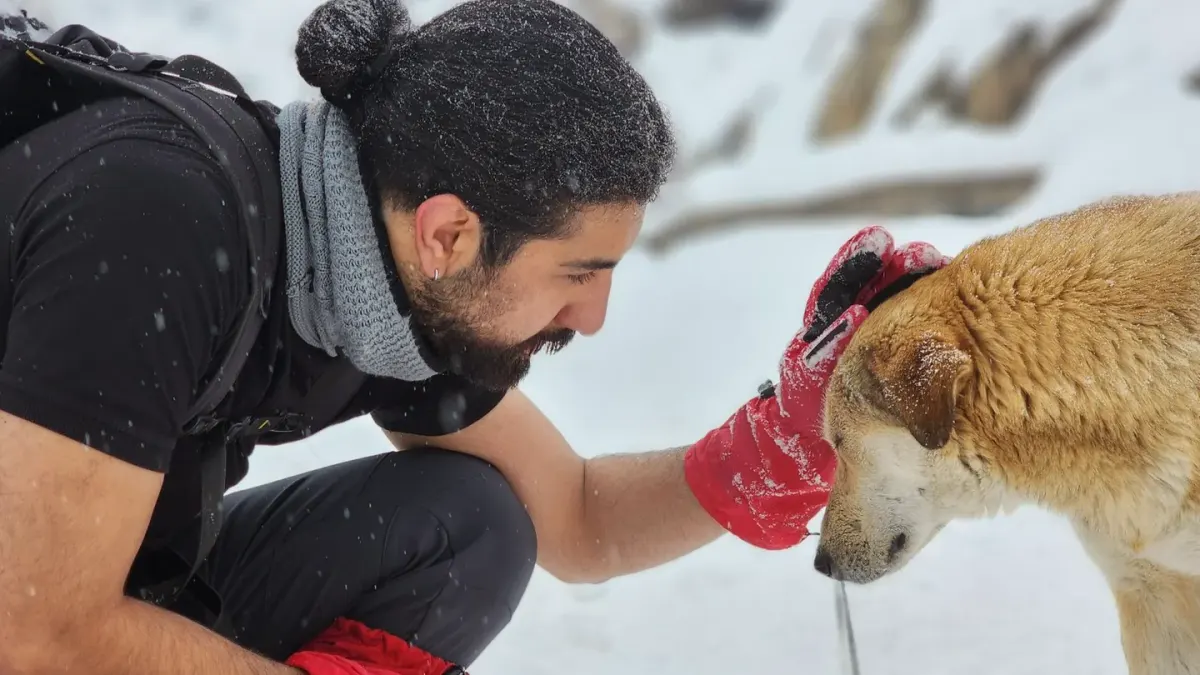
Rodney reaches to pat Ziti on the head after dinner in Toledo, and the 3-year-old spayed mixed-breed turns her face away, licks her lips, and steps back two feet.
Does that mean she dislikes him. No. It means head pats from above feel threatening to many dogs, while slow chest or side rubs often feel safe. The difference matters more than intent.
Many dogs tolerate petting to keep the peace. Owners build far more trust when they treat each touch as a question, not a given.
Some touch calms, some touch pressures
Petting is social pressure before it is affection. A hand over the head, a tight hug, or a long stare paired with reaching can raise tension even in a friendly dog.
What most dogs accept best is predictable, low-intensity contact. Short strokes on the chest, shoulder, or side, with a loose body from you and pauses built in. Hard pats, grabbing the muzzle, ruffling ears, or pinning a dog for cuddles tend to get lip licks, yawns, whale eye, tucked tail, or freezing.
Context changes the answer. A tired, painful, sleeping, eating, or anxious dog has less tolerance. Senior dogs and dogs with arthritis, skin pain, or ear infections may flinch when touched in sore spots, and that calls for a veterinary exam rather than more handling practice. Guidance on aging changes from the American Kennel Club helps owners separate normal body language from pain signals.
Contact your veterinarian promptly for growling with stiffening, snapping, avoidance that lasts more than a day, yelping when touched, or any sudden change in how a dog responds to handling.
What consent looks like in real time
Think in seconds, not minutes. Pet for three seconds, then stop with your hand slightly back.
A dog that wants more will lean in, nudge, soften eyes, wag loosely through the body, or reposition toward you. A dog that has had enough will turn away, move off, shake off, tuck, pin ears, show half-moon eye, or go still.
Stillness is the most missed signal. A frozen dog is not calm.
The three-step check I use before petting
Vets often see handling problems improve once owners follow the same order every time.
1. Ask the body. Look for loose posture, soft mouth, and voluntary approach. If Ziti walks up and leans her shoulder into Rodney, that is permission. If she stays on her bed and looks away, it is not.
2. Keep it short and low. Crouch sideways rather than looming. Offer the back of a relaxed hand near chest height, then stroke the chest or side for three seconds. Skip the top of the head and hugging around the neck.
3. Pause and let the dog vote. Stop. Wait. Pet again only if the dog moves closer or asks. End while it is still pleasant rather than waiting for a move-away.
For households with children, make the rule concrete: one gentle chest rub, then hands still. Counting out loud to three helps kids pause. Details on reading posture in dog body language basics from American Kennel Club give families the same vocabulary I use in the exam room.
Dogs that live with chronic stress, noise fear, or age-related confusion need more than handling tweaks. Calm routines, predictable rest, gentle mental work, and veterinary guidance matter more than any single supplement. Owners exploring brain support often ask about memory and focus next, and these explainers help frame that choice: Bacopa Monnieri for a Senior Dog’s Memory and Focus and How to Keep an Aging Dog’s Brain Active and Engaged. For older dogs, it also helps to know How Old Does a Dog Have to Be Before Signs of Aging Typically Start?
When less petting builds more trust
Fred in Bakersfield learned this with Lory, his 2-year-old neutered male Newfoundland mix. Lory would stand for hugs but yawn repeatedly and shift weight away after about ten seconds. Fred switched to brief side scratches when Lory leaned in, then stopped. Within two weeks, Lory started seeking contact more often, not less.
That pattern is common. Choice lowers defensiveness.
Save prolonged petting for moments the dog already finds safe: quiet evening rest, after a walk, alongside calm praise. Avoid petting as restraint during nail trims, baths, greetings at the door, or when guests crowd in. Use treats, distance, and a quiet mat instead.
Would your dog choose the same touch if given a clear way to leave.
Frequently asked questions
Do most dogs like being pet on the head?
Many do not. A hand coming over the top can feel threatening. Try a brief chest or side rub instead and let the dog lean in for more.
How do I know if my dog is just tolerating petting?
Look for lip licking, yawning when not tired, turning away, whale eye, moving off, or freezing. Enjoyment looks loose: soft eyes, relaxed mouth, leaning in, and re-approaching after you pause.
Should I let strangers pet my dog?
Only if your dog approaches willingly and stays loose. It is fine to say no, ask for a side-on approach with no head patting, or offer a treat toss instead of touch.
When should petting concerns prompt a vet visit?
Contact a veterinarian for new sensitivity, yelping, snapping, guarding when touched, stiffness, or avoidance lasting more than a day, since pain and illness change tolerance.
Sources
- Dog Body Language — American Kennel Club