Dogs sneeze for many reasons, but when they look sick too, that pattern deserves a closer look.

Connie in Richmond, California, started counting sneezes after her 9-year-old neutered Great Dane mix Primo had loud sneezing fits for two mornings in a row. The sneezes alone were easy to brush off. The yellow nasal discharge on the second day and his flat appetite are what made her pause and watch more closely.
My premise is simple. An occasional clear sneeze is normal dog behavior. Sneezing paired with other changes is the pattern that points toward illness.
Dust, pollen, a quick pull on a blade of grass, excitement, or play can all trigger a sneeze. Many healthy dogs also reverse sneeze, that sudden snorting inhale that sounds alarming but ends quickly. One or two clear sneezes with bright eyes, normal energy, and normal eating does not tell you much by itself.
That pairing matters more than the sneeze count.
Sick sneezing tends to look different over hours to days. Nasal discharge turns thick, yellow, green, or bloody. The nose stays runny rather than clearing. Sneezing comes with coughing, watery eyes, less interest in food or walks, sleeping more, or a warm, dry nose with lethargy. Respiratory infection is one common cause, described by the American Veterinary Medical Association as a complex that can involve several viruses and bacteria and spread where dogs gather.
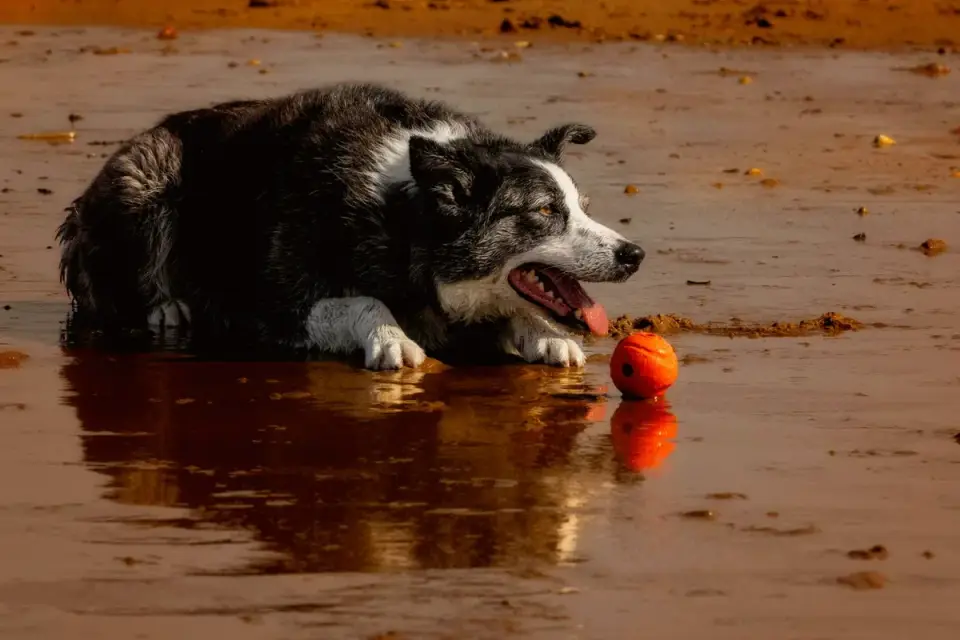
When a sneeze is just a sneeze
Clear, occasional sneezing with normal energy and appetite fits irritation or excitement more than infection. Vets often see this after sniffing dust, cut grass, perfume, or a dusty floor vent. The dog shakes it off and moves on.
Track context for a day. Note where it happens, how often, and whether the discharge stays clear and light. A dog that eats, drinks, plays, and breathes quietly between episodes is reassuring.
What sick sneezing tends to look like
Illness shows up as a cluster. The Cornell University College of Veterinary Medicine overview of sneezing and nasal discharge in dogs notes that persistent discharge, facial swelling, loss of appetite, lethargy, and bleeding raise more concern than brief clear sneezing.
Pay closer attention when sneezing lasts beyond a day or two, discharge thickens or changes color, only one nostril runs or bleeds, pawing at the face increases, or breathing sounds congested. Fever, cough, vomiting, or a clear drop in energy also shift the picture toward a veterinary visit rather than watchful waiting.
Run this check the next time it happens
Use three observations before you decide. First look at the discharge and breathing. Clear and light with easy breathing points one way, while thick, colored, bloody, or one-sided discharge points the other way. Next check the whole dog. Normal meals, water intake, play, and rest support waiting. Skipped meals, low energy, cough, or hiding support calling. Then check the timeline and exposures. A single dusty walk is different from steady worsening over 48 hours or recent boarding, daycare, or a dog park visit.
Senior dogs deserve a lower threshold for a call, since small appetite and energy shifts can matter more with age. For background on age-related change, see How Old Does a Dog Have to Be Before Signs of Aging Typically Start? and How to Keep an Aging Dog’s Brain Active and Engaged.
Contact your veterinarian promptly for bloody or one-sided nasal bleeding, thick green or yellow discharge with lethargy, trouble breathing, refusal to eat or drink, or sneezing after possible trauma or a foxtail exposure. Bring a short note on when it started, discharge color, appetite, energy, cough, and recent contacts with other dogs.
If Primo-style signs show up at your house, let discharge plus energy make the call. A bright dog with one clear sneeze can be watched. A sneezing dog with colored discharge and fading appetite should be seen.
Frequently asked questions
Do dogs sneeze when they are sick?
They can, but a sneeze alone does not confirm illness. Sneezing with thick or colored discharge, cough, low energy, or poor appetite is more likely to signal infection or another nasal problem.
How long should I watch sneezing before calling the vet?
Light, clear, occasional sneezing with normal eating and energy can be watched for a day or two. Call sooner for bloody discharge, one-sided bleeding, trouble breathing, lethargy, or refusal to eat or drink.
Sources
- Canine Infectious Respiratory Disease Complex (CIRDC) — American Veterinary Medical Association