Yes, dogs understand each other through scent, posture, and sound, and leash tension often breaks that conversation.
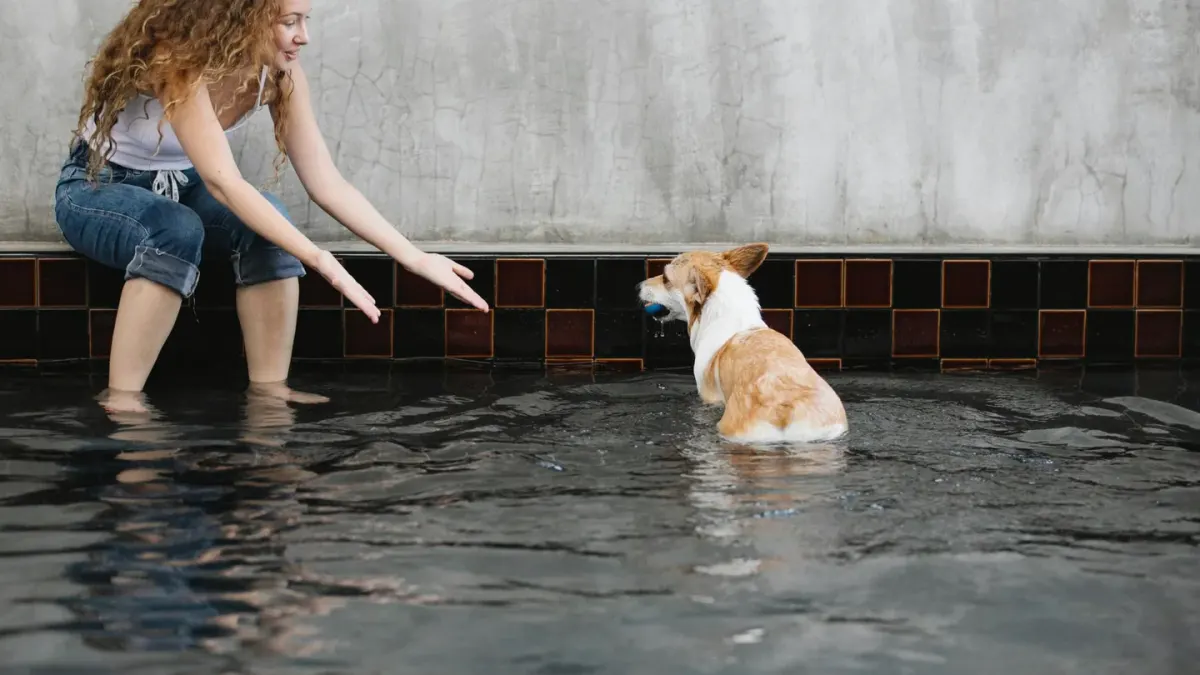
Do your dogs seem to talk when you are not looking. They do, just not with words.
Yes, dogs understand each other. They read posture, scent, and sound in seconds. Most of what looks random at the park is a back-and-forth conversation. My job is to help you stop interrupting it on leash.
How dogs read each other without words
Watch two calm dogs meet. The first check is visual. Stiff legs, hard stare, high tail, and forward weight mean tension. Loose body, soft eyes, play bow, and curved approach mean comfort. The American Veterinary Medical Association describes many of these same signals as the core of dog body language, and owners can learn them too.
The second check is scent. Anal glands, urine, ears, and paws carry chemical information about sex, stress, and health. That sniffing circle is data collection, not rudeness. Give it a few seconds when both dogs stay loose.
The third check is sound. Barks, growls, whines, and yips add context. A low growl during stillness is a warning. The same growl during bouncy play is often normal. Read sound with the body, never alone.
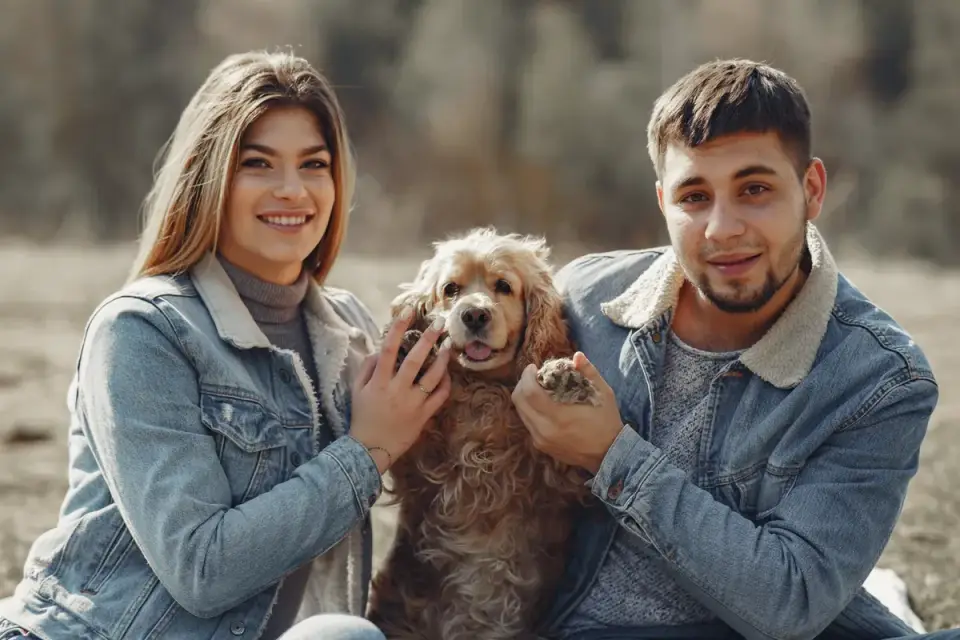
Why the leash changes the conversation
Off leash, dogs adjust distance on their own. They curve, pause, sniff, and walk away. On leash, we take those options away.
A tight leash pulls the head and shoulders up. To the other dog, that can look like a hard stare or a forward challenge. Face-to-face greetings on a short leash also force direct eye contact, which many dogs find threatening. Add owner tension up the leash, and both dogs feel it. The Merck Veterinary Manual notes that posture and distance shape whether canine communication stays friendly.
That is why Waffle, a 9-year-old neutered male Miniature Dachshund mix from Boston, looked like a different dog on walks. His owner Maurice said Waffle barked and lunged at other dogs on leash but played well at daycare. The pattern was familiar. Waffle could not curve away, so he barked to create space. Management changed the outcome more than correction did.
Scent matters here too. An older dog that is slower to process signals may need more space, not more greetings. You can read more about age-related changes in How Old Does a Dog Have to Be Before Signs of Aging Typically Start? and keep social skills sharp with calm enrichment from How to Keep an Aging Dog’s Brain Active and Engaged.
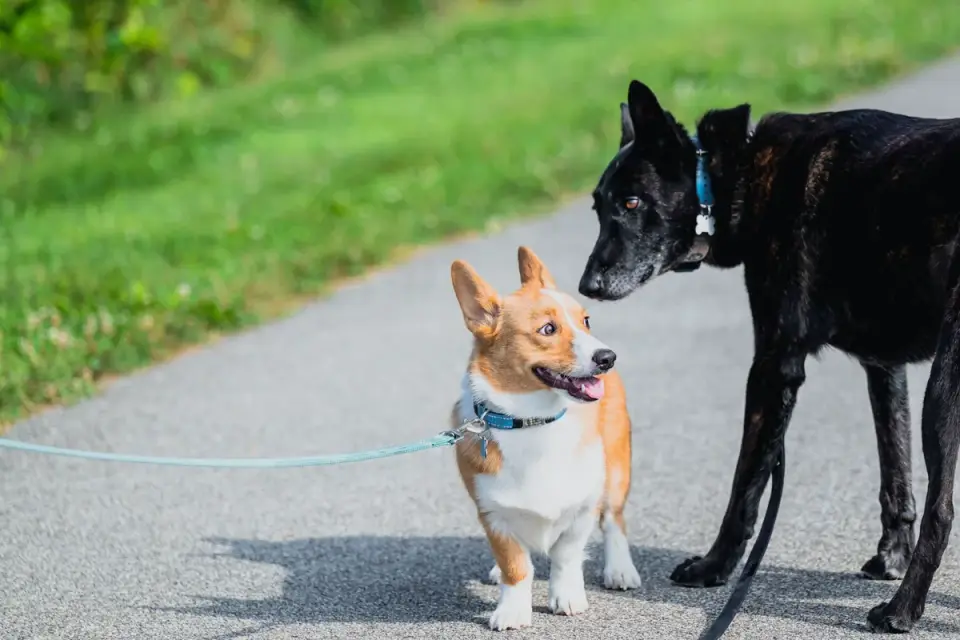
My three-step check for calmer greetings
Use this check before every on-leash meeting.
- Check your leash. Keep it loose in a J shape. Walk in an arc instead of straight at the other dog. If you feel yourself tighten up, add distance first.
- Check both bodies. Look for loose movement, soft faces, and brief sniffs. End the greeting while it is still good, after three to five seconds. Call away with a treat before stiffness builds.
- Check the exit. If either dog freezes, stares, raises hackles with a stiff tail, or tries to hide behind you, calmly move away. No forced hello. Try again another day with more space.
Contact your veterinarian if greetings suddenly change. New growling, snapping, avoidance, or yelping when touched can point to pain, vision loss, hearing loss, or anxiety. A veterinary visit is the safer next step when behavior shifts fast, when fights cause punctures, or when a dog under 12 months shows extreme fear that does not improve with distance.
Watch for the sign that should change your plan. A dog that could greet briefly last month but now freezes, barks, or avoids other dogs is telling you the current setup is too close. Add space and call your clinic.
Frequently asked questions
Do dogs understand each other's barks?
Partly. Bark pitch, repetition, and body posture together carry meaning, but scent and visual signals carry more detail than sound alone.
Why does my dog act fine off leash but reactive on leash?
The leash limits distance and forces face-to-face posture. Tight handling can make a neutral dog look tense, so the other dog responds in kind.
Should I let dogs greet nose to nose on leash?
Keep it brief and curved, not head-on. Allow three to five seconds of loose sniffing, then call away while both dogs are still relaxed.
Sources
- Dog Bite Prevention — American Veterinary Medical Association
- Social Behavior of Dogs — Merck Veterinary Manual