If your dog keeps throwing up white foam after eating, pause food and call your vet that day.
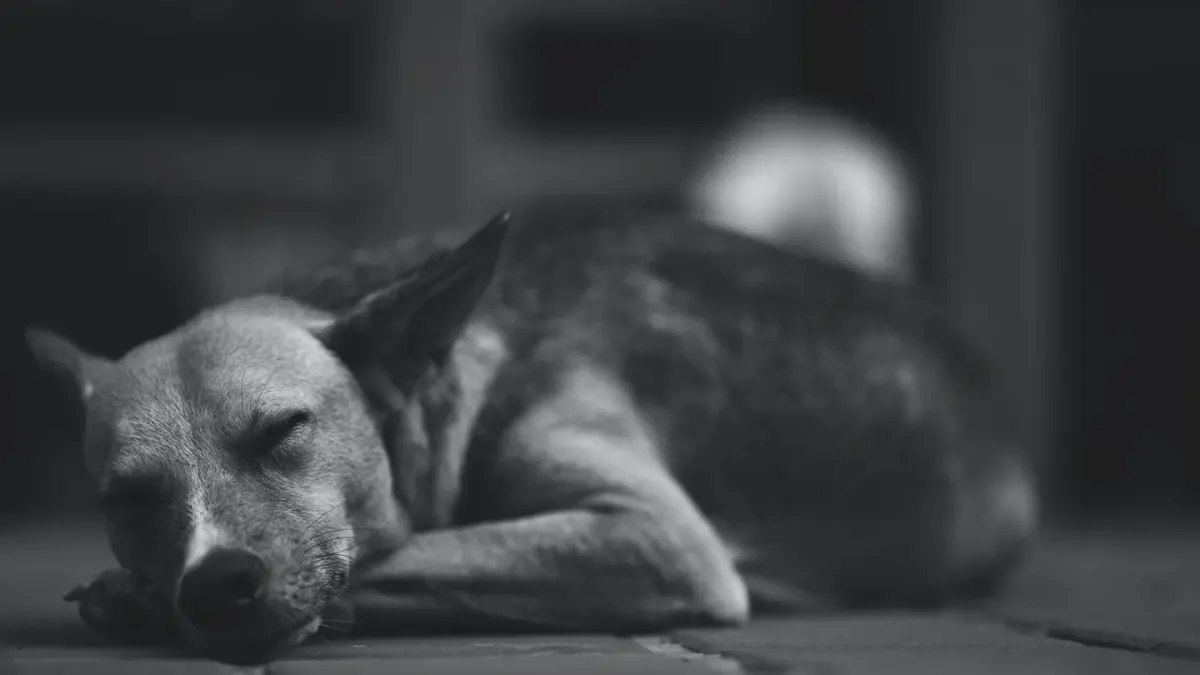
Is your dog eating dinner and then bringing up white foam minutes later? I hear this worry often, and a single episode is different from a pattern.
White foam is usually saliva mixed with air and a little stomach fluid. After eating, it often means the stomach got irritated, the dog ate too fast, or food did not settle and came back up with frothy saliva. The Merck Veterinary Manual notes that vomiting in dogs has many causes, from dietary indiscretion to obstruction, so the context around the episode matters more than the foam itself.
Why does food come back up as foam?
Think about what you can observe. Did your dog gulp the meal, drink a large amount of water right after, chew grass, or get excited and run around the bowl? Fast eating and swallowed air can trigger regurgitation or early vomiting that looks foamy rather than like digested food.
An empty-stomach bile issue is less likely right after a meal. Post-meal foam points more toward irritation, overeating, a sudden diet change, a rich treat, or a mild stomach upset. The VCA Hospitals guide explains that frequency, effort, and what else you see — retching, drooling, belly pain, lethargy, diarrhea — help separate a one-time upset from illness that needs care.
Medication can change the picture too. If your dog takes daily heart or other prescription drugs, read Can Dogs on Heart Medication Also Take CoQ10? for why to keep your vet in the loop before adding anything new during stomach upset.
My three-step check for one episode
I use the same quick check on the clinic floor. It takes five minutes.
First, pause and look. Note the time, how much food was eaten, whether the foam had food in it, and how your dog acts now. A dog that is bright, waggy, and interested in water is reassuring. A dog that is pacing, drooling, panting, hunched, or trying to vomit with nothing coming up needs faster care.
Second, rest the stomach briefly. Take up food for a few hours, leave small sips of water down if your dog can keep water down, and keep things calm. No table scraps, no chews, no new treats today.
Third, reintroduce food slowly. Offer a small portion of the regular bland diet your vet has recommended before — many owners use plain chicken and rice only when their vet advises it — and watch for the next 12 to 24 hours. If the small meal stays down and energy and stool look normal, return to regular portions gradually.
Age matters here as well. Senior dogs can dehydrate faster and may have other conditions behind vomiting. If you are tracking age-related changes, How Old Does a Dog Have to Be Before Signs of Aging Typically Start? can help you describe what else has shifted at the visit.
When repeated foam means call the vet
One foamy episode after eating fast, followed by a normal dog, often settles with rest. Repeated episodes do not. Contact your veterinarian promptly if vomiting happens more than once in 24 hours, returns after every meal, contains blood, looks like coffee grounds, smells foul, or comes with lethargy, refusal to drink, belly swelling, pain, diarrhea, fever, or weight loss.
Call sooner for puppies, small breeds, senior dogs, dogs on prescription medication, or any dog that may have eaten a foreign object, bone, fatty scraps, grapes, raisins, xylitol, or medication. Bloat, obstruction, pancreatitis, and toxin exposure can start with vomiting and need hands-on diagnosis. Your vet may check hydration, palpate the abdomen, review diet and medications, and recommend blood work, x-rays, or anti-nausea and fluid support based on findings.
Watch the next bowl. If the next small meal stays down and play, thirst, and stool return to normal, keep feeding calmly and slowly. If foam returns after eating again, stop guessing and get examined.
Frequently asked questions
Can eating too fast cause white foam vomit?
Yes. Gulping food and air, drinking a lot right after, or playing hard after meals can bring food back up mixed with frothy saliva. A slow-feeder bowl, smaller portions, and calm rest after meals often help.
How long should I wait before feeding again after foam vomit?
For a single episode in an otherwise bright adult dog, many vets advise a short food rest of a few hours with access to small sips of water, then a small bland meal. If vomiting repeats, your dog cannot keep water down, or energy drops, call your vet instead of waiting.
Sources
- Vomiting in Dogs — Merck Veterinary Manual
- Vomiting in Dogs — VCA Hospitals