One vomit in a bright dog can wait, but repeat vomiting, lethargy, or blood means call your vet.

Did your dog vomit once and then ask for dinner like nothing happened? That single event is different from repeated vomiting that signals a problem.
Vomiting starts with nausea, then strong abdominal contractions push stomach contents up and out. Regurgitation is more passive, with undigested food sliding up from the esophagus without heaving. The distinction matters because repeated vomiting can lead to dehydration and electrolyte shifts faster in small dogs and puppies, while a single spit-up of grass or food eaten too fast often settles on its own.

Wait and watch when it happens once
A bright, hungry, playful dog after one vomit does not need an emergency trip. Withhold food for a few hours, offer small sips of water, then offer a small bland meal if no more vomiting occurs. Watch the next 12 to 24 hours for appetite, energy, stool, and whether vomiting returns.
Kristina in Glendale noticed her 2-year-old Miniature Australian Shepherd Togo vomited twice within six hours after stealing trash, then lay quiet and refused his evening walk. That change from one event to a count of two plus low energy is what moved her from watching at home to calling for advice that night. Vets often see that same pattern, where the number and the behavior change tell more than the vomit itself.
Call your vet when these symptoms stack up
Repeated vomiting in a day, vomiting for more than a day, lethargy, refusal to drink, bloody vomit or stool, abdominal pain, bloating, drooling with retching but nothing coming up, or ingestion of a toxin or foreign object should prompt a call. Puppies, seniors, and small breeds dehydrate faster, so I set a lower threshold for them.
Cornell University College of Veterinary Medicine notes that occasional vomiting can relate to diet or motion sickness, but frequent, severe, bloody, or vomiting with other illness signs warrants veterinary evaluation. VCA Hospitals lists similar escalation signs, including frequency, blood, abdominal pain, fever, and lethargy, and advises contacting a veterinarian when those appear.
What helps the vet find the cause faster
Note when it started, how many times, what the vomit looked like, what your dog ate, medications, trash or toy access, thirst, urination, and stool. Bring a photo if you can. Do not give human anti-nausea drugs unless your veterinarian directs it.
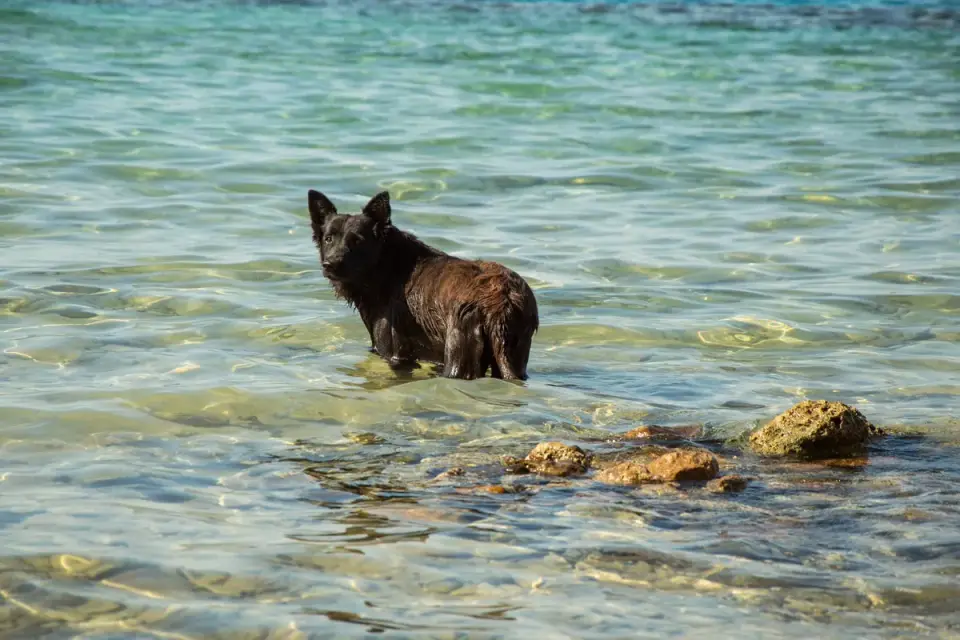
Support digestion only after the cause is clear
Once vomiting has stopped and your vet says feeding can resume, small frequent meals and fresh water matter more than any add-on. A Merck Veterinary Manual overview explains that treatment centers on the underlying cause, fluids for dehydration, and diet adjustment during recovery.
Probiotics and fiber get asked about a lot after stomach upsets. A balanced gut microbiome supports overall immune function, and pumpkin fiber is a gentle, natural source of both soluble and insoluble fiber. Those are support tools, not treatment for active vomiting with red flags. For older dogs recovering from a mild episode, keeping routines steady helps you spot relapse, a point also covered in How Old Does a Dog Have to Be Before Signs of Aging Typically Start? and How to Keep an Aging Dog’s Brain Active and Engaged.
Contact your veterinarian if vomiting repeats, your dog looks tired or painful, you see blood, or you suspect something toxic or stuck.
Frequently asked questions
How many times can a dog vomit before I call the vet?
More than once or twice in 24 hours, vomiting into a second day, or any vomiting with lethargy, no drinking, pain, bloat, or blood means call your veterinarian.
What should I do right after my dog vomits once?
Remove food briefly, offer small sips of water, keep your dog quiet, then try a small meal if no more vomiting occurs and energy and appetite stay normal.
Sources
- Vomiting in Dogs — VCA Hospitals