Some home rest helps a mildly limping dog for a day, but lasting limping needs a vet exam.
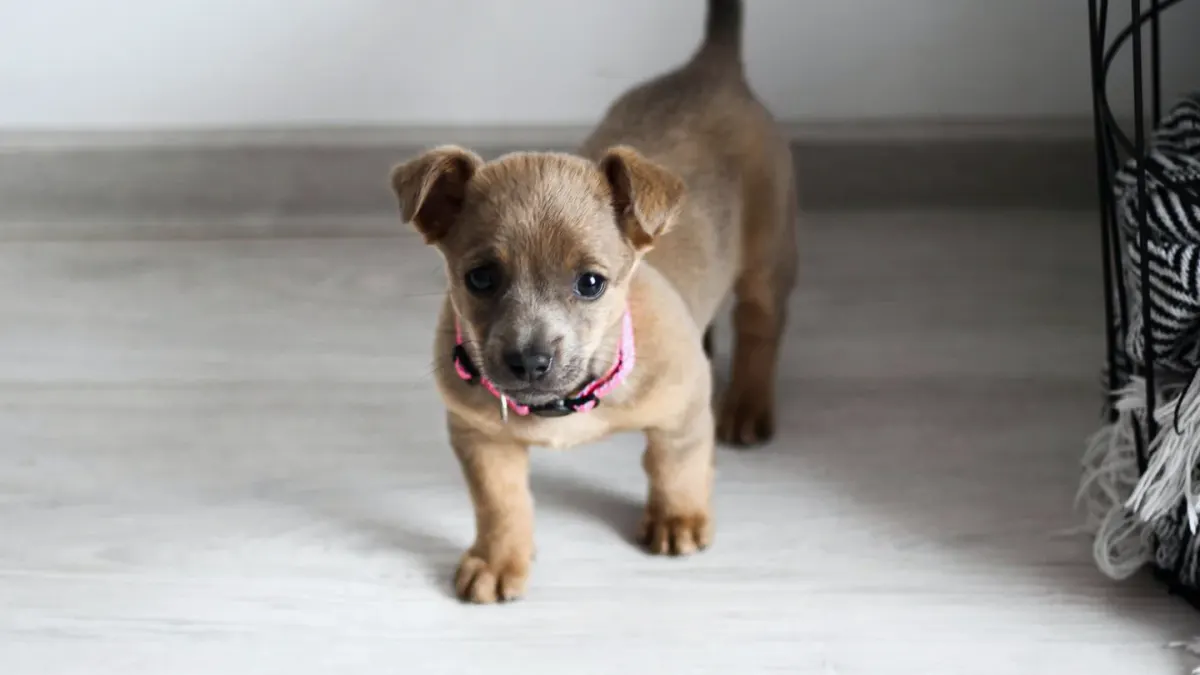
Is your dog limping and you want to help at home today. Short rest, a paw check, and a calm resting spot are reasonable for a mild, recent limp. They do not diagnose the cause. A limp means something hurts, feels unstable, or moves abnormally. Causes range from a thorn between toes to a sprain, arthritis flare, cruciate injury, fracture, or infection. Age matters. An older dog that moves slowly but still engages may have stiffness, while sudden non-weight-bearing in a young active dog points more toward injury.
What a mild limp looks like at home
Watch how your dog stands, walks, and lies down. Note which leg is affected, whether toes touch the ground, and whether swelling, heat, bleeding, or a nail injury is visible. A brief exam guide from the Merck Veterinary Manual describes lameness as a change in gait linked to pain or mechanical problems, which is why the pattern matters more than one symptom. Use a three-step check. Look at the paw pads, nails, and between toes for cuts, ticks, burrs, or a torn nail. Feel gently for swelling or heat and compare legs. Watch a short leash walk on a flat surface to see if the limp improves, stays the same, or worsens.

What you can safely do for a day or two
Keep activity low for 24 to 48 hours. Use short leash walks for bathroom breaks, block stairs and jumping, and offer a soft bed in a quiet room with water nearby. Many owners find a low, supportive sleeping area helps a stiff dog settle, similar to the calm home routines discussed in Are Dogs Good for Alzheimer’s Patients at Home?. Check the paw and clean minor surface dirt with lukewarm water. Trim no fur around a wound and apply no ointments, wraps, or ice packs unless your veterinarian directs it. Keep treats small and normal meals steady, as with any rest day described in 5 Banana Benefits for Dogs: Treat Facts, Not Hype. Track appetite, limping severity, and whether your dog will bear weight.
What to avoid when your dog limps
Do not give human pain relievers. The U.S. Food and Drug Administration warns that nonsteroidal anti-inflammatory drugs made for people can cause serious harm in dogs, including stomach, kidney, and liver injury. That includes ibuprofen, naproxen, and acetaminophen products. Avoid aspirin from the medicine cabinet, leftover dog prescriptions at an old dose, tight bandages, hot packs on a fresh swollen leg, and forced walks to work it out. Massage into a painful joint and unsupervised crate rest for many days can also hide a worsening problem.

When a vet visit is the safer next step
Call your veterinarian promptly for non-weight-bearing lameness, swelling that grows, crying in pain, a leg that looks bent, a wound or bleeding, fever, lethargy, loss of appetite, or a limp after a fall or car incident. Puppies, seniors, and dogs on other medications need earlier advice. Contact a veterinarian the same day if the limp lasts more than a day or two, keeps returning, or shifts legs. Bring notes on when it started, which leg is affected, recent activity, and any medications or supplements given. If weight bearing returns and the gait looks normal after brief rest, still watch closely for a repeat.
Frequently asked questions
Should I let my limping dog rest at home first?
Brief rest for 24 to 48 hours is reasonable for a mild, recent limp with no swelling, wound, or severe pain. Seek veterinary care if your dog will not bear weight, the limp worsens, or it lasts beyond a day or two.
Can I give my dog ibuprofen or acetaminophen for limping?
No. Human pain relievers can injure a dog's stomach, kidneys, and liver. Ask your veterinarian about safe, dog-approved options and dosing.
Sources
- Lameness in Dogs — Merck Veterinary Manual
- Get the Facts About Pain Relievers for Pets — U.S. Food and Drug Administration