Treat your dog's anxiety at home with daily routine, exercise, and a quiet safe space, adding supplements only if needed.
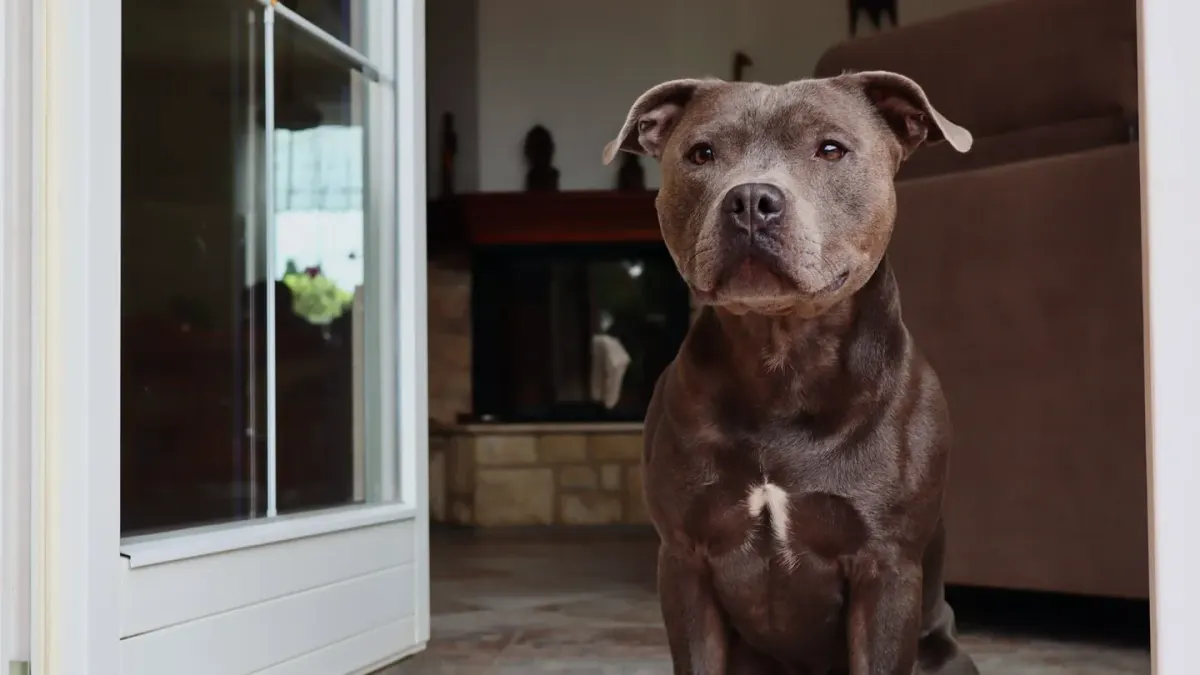
Is your dog pacing, whining, or following you from room to room when the house gets noisy? Start with routine, movement, and a safe resting spot before you add anything else.
I see this pattern often. Anxious behavior looks medical, but it usually reflects routine disruption, under-exercise, or no clear place to settle. My three-step check is simple: notice the trigger, meet the basic need, then watch what changes.
1. Keep the day predictable
Dogs settle better when meals, walks, play, and bedtime happen at similar times. Feed and walk on schedule, keep departures and returns low key, and give 5 to 10 minutes of calm settling time before you leave.
If alone time is the trigger, read How Long Can You Leave An Anxious Dog Home Alone and build absences in short, planned steps. Watch for softer body language, slower breathing, and lying down without prompting. Those signs tell you the routine is working.

2. Use exercise and mental work first
A tired brain calms faster than a tired body alone. Pair a daily walk with sniff time, basic training reps, or a food puzzle. Stop high-energy play at least an hour before rest so arousal can fall.
Many owners tell me evenings went smoother after dimmer lights, closed curtains, and play before settling down. Others found harder leash outings after very lively visits with other dogs, which is a useful clue to shorten social sessions and add decompression sniff walks instead.
3. Build one safe space your dog chooses
Pick a crate, corner bed, or quiet room away from front-door traffic. Add a familiar blanket, water nearby, and a long-lasting chew. Keep it open and rewarding during calm times, not only during storms or departures.
Covering part of a crate, moving it where your puppy can see you at night, or placing a worn shirt nearby helps some dogs settle. Let your dog enter on their own and reward calm lying down with a small treat. If your dog pants, drools, tries to escape, or will not enter, stop and reassess rather than confining them.
4. Add calming supplements as an optional layer
L-theanine is an amino acid found in tea that has been studied for its calming properties. Chamomile and Valerian Root have been used in traditional herbal care to support relaxation. These ingredients do not replace training, exercise, or veterinary care for moderate to severe anxiety.
The supplement evidence in pets is still limited and mixed. In one cat diet study, researchers reported in the Journal of Applied Animal Welfare Science that the study diet significantly increased the ratio of plasma tryptophan to large neutral amino acids and decreased urinary cortisol concentrations after being consumed daily for 8 weeks, but there was no effect on plasma cortisol levels following a stressful event such as veterinary examination and blood draw. Human 5-HTP data are also hard to apply to dogs. One trial described in Nutrients was a single-blinded, 12-week randomized controlled trial, and 30 participants were randomly assigned to consume 100 mg of 5-HTP daily or not consume it.
That is why I treat supplements as a second layer. If you try one, choose a product made for dogs, follow label directions, tell your veterinarian about other medications, and judge it over 2 to 4 weeks by one observable change like faster settling, less vocalizing, or less pacing.
5. Know when home care is not enough
Call your veterinarian promptly for panic, escape attempts, self-injury, house soiling with distress, loss of appetite, aggression, or anxiety that keeps getting worse.
Bring a short log: what happened, time of day, how long it lasted, and what helped. That record guides whether your dog needs behavior referral, short-term medication, or lab work. Home support works best when the plan changes based on what you observe.
For related home-care questions, owners often confuse treats and health testing with treatment. Plain food treats are different from therapy, as explained in Yes, Puppies Can Have Plain Yogurt as a Small Treat, and home observation cannot replace lab testing, as explained in What Vets Say: Can I Test My Dog’s Poop at Home?.
Frequently asked questions
What is the fastest way to calm an anxious dog at home?
Move to the safe spot, lower noise and light, speak calmly, and offer a familiar chew or sniff activity. If panting, trembling, or escape behavior continues, contact your veterinarian.
Do calming supplements work for dog anxiety?
Some dogs seem calmer with ingredients such as L-theanine, chamomile, or milk-protein derivatives, but results vary. Use them with routine, exercise, and training, and ask your veterinarian first if your dog takes other medications.
Should I crate an anxious dog?
Only if the dog chooses the crate calmly and can rest with the door open. If the crate increases panting, vocalizing, or escape attempts, use a gated quiet room instead and seek veterinary guidance.
Sources
- Diet, tryptophan availability, and stress-related cortisol in cats — Journal of Applied Animal Welfare Science
- Twelve-week 5-HTP trial in older adults — Nutrients