Lean body weight relates to longer lifespan in dogs, and ribs you can feel show it.
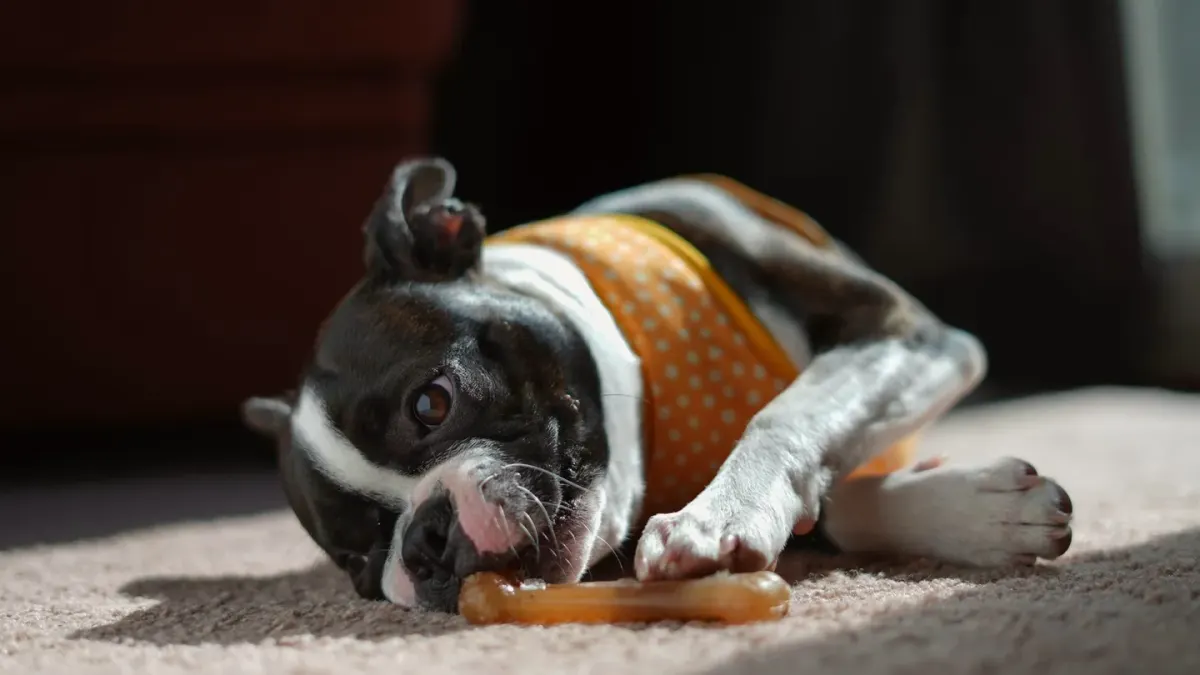
Can a lean dog really live longer than a heavy one. Yes, and the difference is larger than most owners expect.
My disputed premise is simple. The scale matters less than the shape. A dog at a lean body condition will usually outlive the same dog carrying extra fat, even when the scale number looks normal for the breed.
That claim comes from long-term feeding research, not opinion. In the classic Labrador lifetime study, dogs fed to stay lean from puppyhood lived a median of about 1.8 years longer than their heavier littermates and showed later onset of chronic signs. You can read the abstract on PubMed if you want the design details. The AAHA nutrition and weight guidelines say the same thing in practical terms. Keep dogs lean, score body condition at every visit, and adjust food before weight creeps.
Why lean shape predicts more healthy years
Extra fat is not just padding. It changes how joints load, how insulin works, and how hard a dog breathes and moves each day.
Lean dogs move more easily. More easy movement protects muscle. Muscle protects joints, balance, and independence with age. That chain is why veterinarians talk about condition more than pounds.
Breed charts help, but they hide wide variation. A 68-pound Labrador can be lean. Another 68-pound Labrador can be overweight. Ribs, waist, and side view tell the truth.

The three-step check I want you to do today
Forget the calculator for a minute. Do this with your hands and eyes.
1. Feel the ribs. Run flat fingers over the side. You should feel ribs easily under a thin cover, without pressing hard. Count. If you cannot find them, the portion is too large.
2. Look from the side and top. From the side, the belly should tuck up behind the ribs. From above, you should see a waist behind the ribs. A straight tube from chest to hips means extra fat.
3. Measure food for two weeks. Scoop with a real measuring cup. Write down treats, table scraps, dental chews, and training bites. Most weight gain comes from small extras, not the main meal. Cut total daily calories by about 10 to 20 percent if condition is high, then recheck shape in 14 days.
Vets often see owners like Cathy in Pearland, Texas, with Chato, her 11-year-old neutered Beagle-Harrier mix. The scale had moved only four pounds in a year. The change that mattered was visible. His waist had filled in and the side tuck was gone. A measured cup plus a daily 20-minute sniff walk brought the waist back over eight weeks.
When lean advice is the wrong call
There is one clear exception. Do not aim for weight loss in a dog that is losing weight without trying.
Rapid loss, rib bones showing suddenly, vomiting, diarrhea, heavy thirst, cough, limp, or skipping two meals in a row needs a veterinary visit first. Puppies, very active sporting dogs, pregnant or nursing dogs, and dogs with heart, kidney, or cancer diagnoses also need an individual plan. For seniors, muscle loss can look like leanness. You want strong thighs and shoulders, not just a smaller waist. If you are unsure whether it is fat loss or muscle loss, call your veterinarian before you cut food.
Owners tracking aging changes often ask when slowing down becomes medical. My plain-language answer on How Old Does a Dog Have to Be Before Signs of Aging Typically Start? gives age ranges to watch, and How to Keep an Aging Dog’s Brain Active and Engaged covers movement and enrichment that help lean muscle stay on.
Your owner checklist for the next month
Weigh monthly on the same scale. Photograph side and top views in the same light. Keep treats to about 10 percent of daily intake. Ask your clinic to record a 1-to-9 body condition score at each visit. Aim for 4 to 5 for most adult dogs unless your veterinarian sets another target.
Watch one sign closely. If you cannot feel ribs anymore with a light touch, shorten portions and schedule a weight check.
Frequently asked questions
What is lean body weight in a dog?
It means a body condition score of 4 to 5 out of 9 for most adults, with ribs you can feel, a visible waist, and a belly tuck. Ask your veterinarian to confirm the target for your breed and age.
How fast should an overweight dog lose weight?
Slow and steady is safer. Many vets aim for 1 to 2 percent of body weight per week, with rechecks. Call your veterinarian if appetite drops, vomiting or diarrhea lasts more than a day, or weight falls fast without a plan.