Want to build a quiet retreat space that truly calms your anxious dog? Start here.
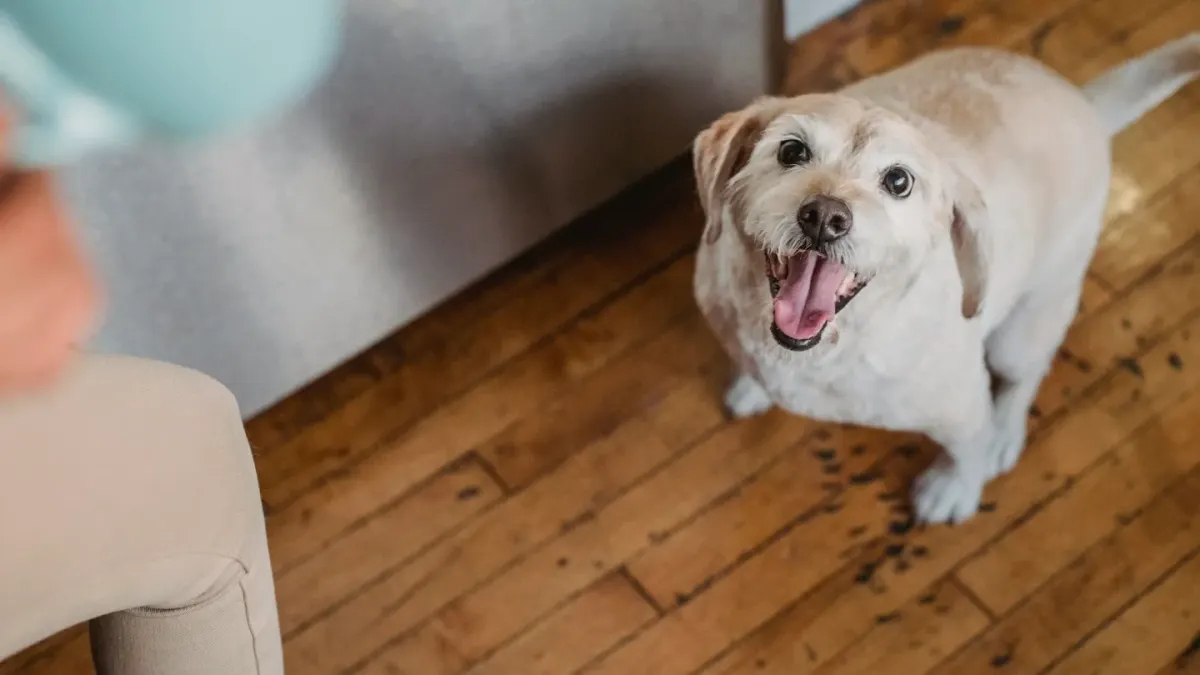
Shawn knew Maeve needed help when the 5-year-old Jack Russell Terrier started pacing the hallway in Brownsville, Texas every time the washing machine kicked into spin. She was not destructive. She just could not settle, and after about 20 minutes she would wedge herself behind the couch and pant.
Does your dog do the same thing? Find a tight spot when noise or visitors spike, then stay on edge for an hour. That pattern tells me the dog wants a safe place to shut out stimulation. My disputed premise is simple: most anxious dogs do not need a bigger crate. They need a chosen corner that stays quiet, familiar, and always available.
Choice is the point. A retreat works when your dog can walk in and out freely and learns that nothing scary happens inside. Confinement does the opposite for many fearful dogs. Guidance from the American Veterinary Society of Animal Behavior on humane training stresses reducing exposure and giving a secure hiding option rather than forcing contact, and that matches what I tell owners in the exam room.
Why a corner beats a cage for most worriers
A crate in the middle of the living room still vibrates with footsteps, cooking smells, doorbells, and kids running past. A retreat in a low-traffic corner cuts that load. Pick an interior spot away from the front door and large windows. A bedroom corner, a closet with the door propped open, or the quiet side of a home office all work.
Keep the footprint small. Dogs feel safer with walls on two or three sides. Place a washable bed, one familiar blanket, and a chew or stuffed Kong. Add a worn T-shirt that smells like you. Skip new perfumed bedding. Familiar scent matters more than thickness.
Light and sound matter too. Dim the overhead light or use a low lamp. A steady fan or white-noise machine blunts sudden bangs better than music with bass drops. In practice, vets often see dogs settle faster when the space looks and sounds the same every day.
The three-step check I want you to run tonight
Translate the worry “is she anxious or just restless” into something you can observe. Watch for one hour in the evening.
First, notice where she goes. Does she seek a tight, dark, or covered spot on her own. Second, notice her body. Look for tucked tail, pinned ears, lip licking, yawning when not tired, panting at rest, or dilated pupils. Third, notice recovery. Does she settle within 15 to 30 minutes once the trigger stops, or does she stay wired.
Write down what you see. That note helps you place the retreat and helps your veterinarian sort fear from pain, cognitive change, or medical restlessness. Older dogs especially can have overlap between anxiety and brain aging, which is why steady routines and mental enrichment described in related senior-care reading like How to Keep an Aging Dog’s Brain Active and Engaged matter alongside environment.
Build it so your dog actually uses it
Introduce the spot during a calm time, not during a storm. Toss treats toward the bed and let her collect them. Feed a meal or two there over three to five days. Keep sessions short. Five minutes of sniffing and lying down beats an hour of coaxing.
Never drag her there or close her in to “wait it out.” The door stays open. You want her to learn the retreat predicts quiet, not isolation.
Once she visits on her own, add your routine. Same blanket arrangement. Same fan setting. Same chew type. Dogs read repetition as safety. If you live with kids, teach them the rule: when Maeve is in her spot, we walk around and let her rest. One clear rule protects the space better than a baby gate alone.
Think about daily rhythm too. Many anxious dogs do better with predictable meals, walks, and bedtime. If appetite or routine has shifted with age, background reading on How Old Does a Dog Have to Be Before Signs of Aging Typically Start? can help you spot when to ask about pain or cognitive decline at the next visit.
It is a small setup with a big payoff.
When I change the plan and call the vet
A retreat helps mild to moderate fear and everyday startle. It does not replace care for panic, escape attempts, drooling, trembling that lasts for hours, loss of bladder control, or aggression when frightened. Contact your veterinarian promptly for those signs. Also call if anxiety appears suddenly in a senior dog, or if appetite, thirst, mobility, or sleep change at the same time.
Bring your one-hour notes, a list of triggers, and a short video if you can take one safely. That lets the clinic judge severity and discuss behavior referral, desensitization work, or medication where appropriate.
Watch tonight for the sign that changes what you do next. If your dog starts walking to the retreat on her own and lying down with a soft body within a few minutes, keep building the habit. If she still paces, pants, hides elsewhere, or cannot settle after 30 quiet minutes, stop tweaking blankets and call your veterinarian for the next step.
Frequently asked questions
Should I close the crate door during fireworks or storms?
For most fearful dogs, no. An open retreat lets your dog choose shelter without feeling trapped. Close the door only if your veterinarian has advised confinement for safety and your dog already rests calmly inside with the door closed.
How long does it take for a dog to use a new retreat space?
Many dogs investigate within a few days when treats and meals are placed there during calm periods. If your dog avoids the spot after a week, move it to a quieter corner, simplify the bedding, and keep training sessions short and voluntary.
Sources
- Position Statements — American Veterinary Society of Animal Behavior