Cope with sudden pet loss by naming it as grief, keeping routines simple, and letting support in early.
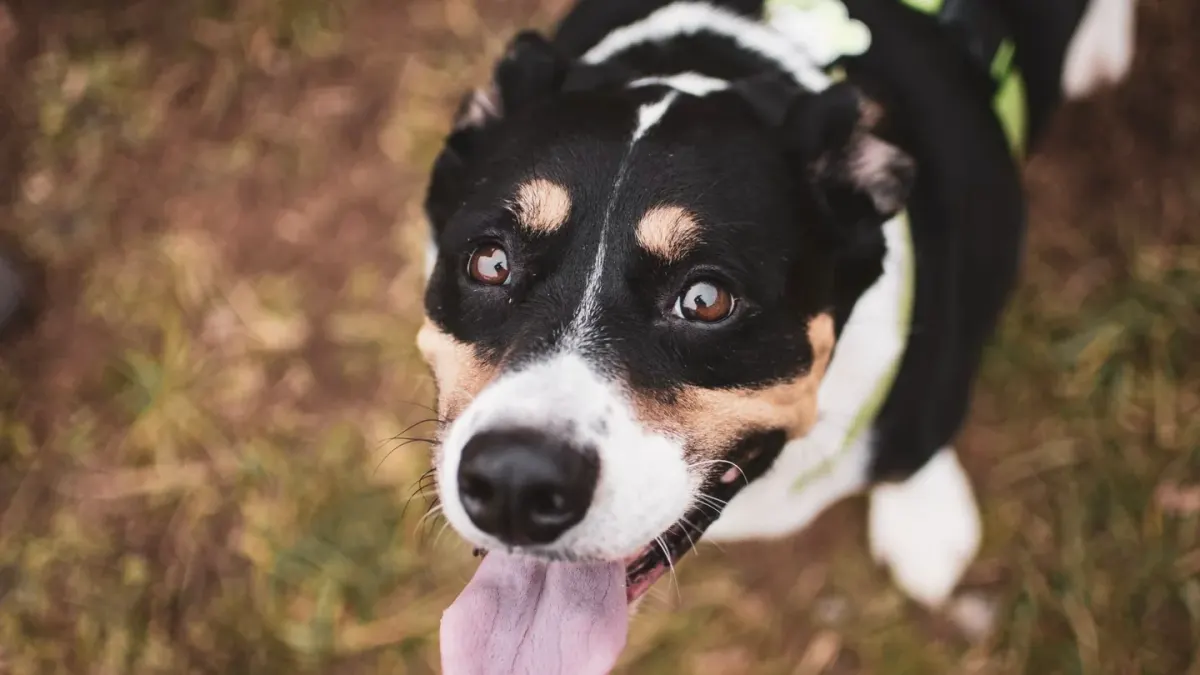
Did your dog die suddenly and now the house feels wrong? Grief is the right name for what you feel, and patience is the treatment.
Sudden loss leaves no goodbye. No last walk. No plan. That shock can make sadness, guilt, anger, and numbness arrive all at once. It does not mean you are coping badly.
Why sudden loss hits differently
Expected loss gives your brain time to prepare. Sudden loss does not.
One morning the bowl is full, the leash is by the door, and the routine keeps firing with no dog to receive it. Vets often see owners describe the same painful moment: reaching for the leash out of habit on day two or three.
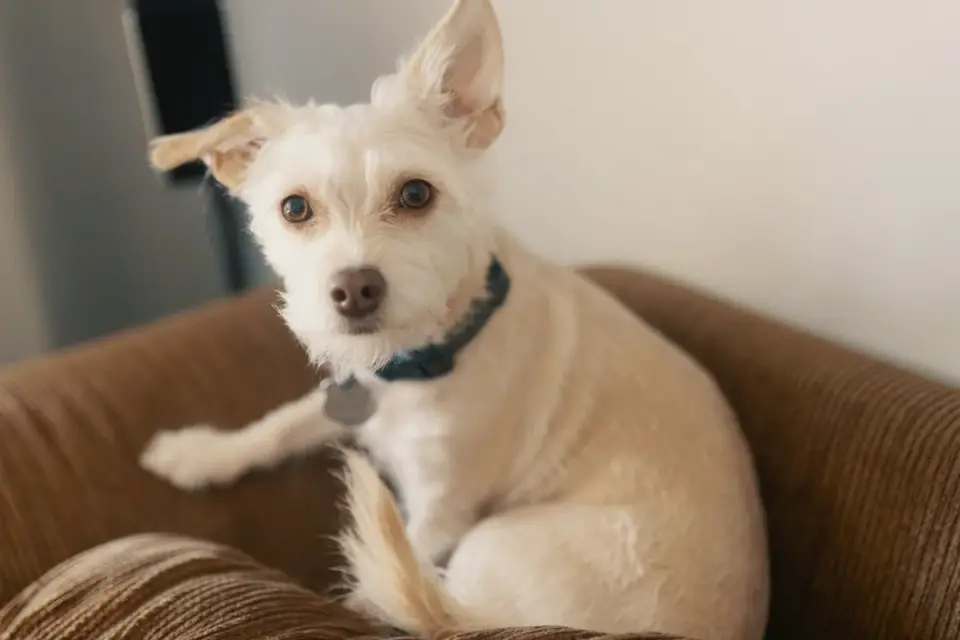
Calvin and his 11-year-old Papillon, Rey, lived that kind of abrupt quiet in Hampton, Virginia. After 11 years of morning potty walks around the block, Calvin kept waking at 6 a.m. for a week with nowhere to go.
That disorientation is normal grief, not weakness. The AVMA notes that pet grief can be as intense as grief after human loss, and shock and guilt are especially common after an unexpected death.
Run my three-step check for the first week
When owners ask what to do today, I translate that worry into three checks.
1. Body first. Eat regular meals. Drink water. Keep a sleep window. Grief exhausts the body, and a tired body grieves harder.
2. Keep one anchor routine. Keep the morning walk, but shorten it. Walk the same 10 minutes without the dog. Keep bedtime the same. Structure steadies the nervous system when nothing makes sense.
3. Say it out loud once a day. Tell one person, write one paragraph, or speak to the empty room: I miss him. I feel guilty. I am angry this was sudden. Naming the feeling keeps it from looping silently.
This check is simple on purpose.
You do not need to decide about ashes, memorials, social media posts, or another dog this week.
What helps, and what usually does not
What helps is permission to grieve at full size. Cry. Keep the blanket for now. Ask a friend to sit with you. Look at photos when you want them, put them away when you do not.
The ASPCA encourages the same steady approach: allow the feelings, maintain self-care, and seek pet-loss support rather than pushing through alone.
What usually does not help is rushing to explain it away.
Try not to audit your last 48 hours for the one thing you should have noticed. Sudden cardiac events, GDV/bloat, and undetected tumors can take a dog with almost no warning, even with good care. Reviewing every minute will not bring certainty, only more guilt.
And try not to rush to replace. A new dog cannot finish the grief for the last one. Wait until thinking about a dog brings more warmth than raw shock.
When this advice is the wrong call
My let-it-happen approach fits normal grief. It does not fit a crisis.
Contact your veterinarian, primary-care clinician, or a crisis line promptly if you cannot eat, sleep, or function for several days, if grief turns into thoughts of harming yourself, or if guilt will not let you rest. Sudden loss can unmask depression and anxiety that need care, not willpower.
Also call your veterinarian if a surviving dog stops eating for more than 24 hours, paces and whines through the night, or withdraws completely. Grief affects dogs too, and appetite loss in particular should change your next action. For context on aging and changing needs in surviving senior dogs, see How Old Does a Dog Have to Be Before Signs of Aging Typically Start? and How to Keep an Aging Dog’s Brain Active and Engaged.
A simple plan for the next 30 days
Keep daily life small and repeatable. Take the same walk. Feed yourself at the same times. Keep one person updated honestly.
In week two, decide on one memorial act. Plant something. Frame one photo. Write one letter. One act is enough.
By day 30, notice the sign that matters: can you remember your dog for five minutes without the shock wave taking over. If yes, grief is moving. If no, add support, such as a pet-loss group, counselor, or faith leader.
Grief over a sudden death deserves the same patience as any loss. Let it happen.
Sources
- Pet Loss — AVMA