Pack your dog's calming supplement in carry-on with the label and dose timed, so security and stress stay simple.
Will your dog’s calming chew make it through security still dosed right. Yes, if you keep it in carry-on, keep it labeled, and keep the dose countable.
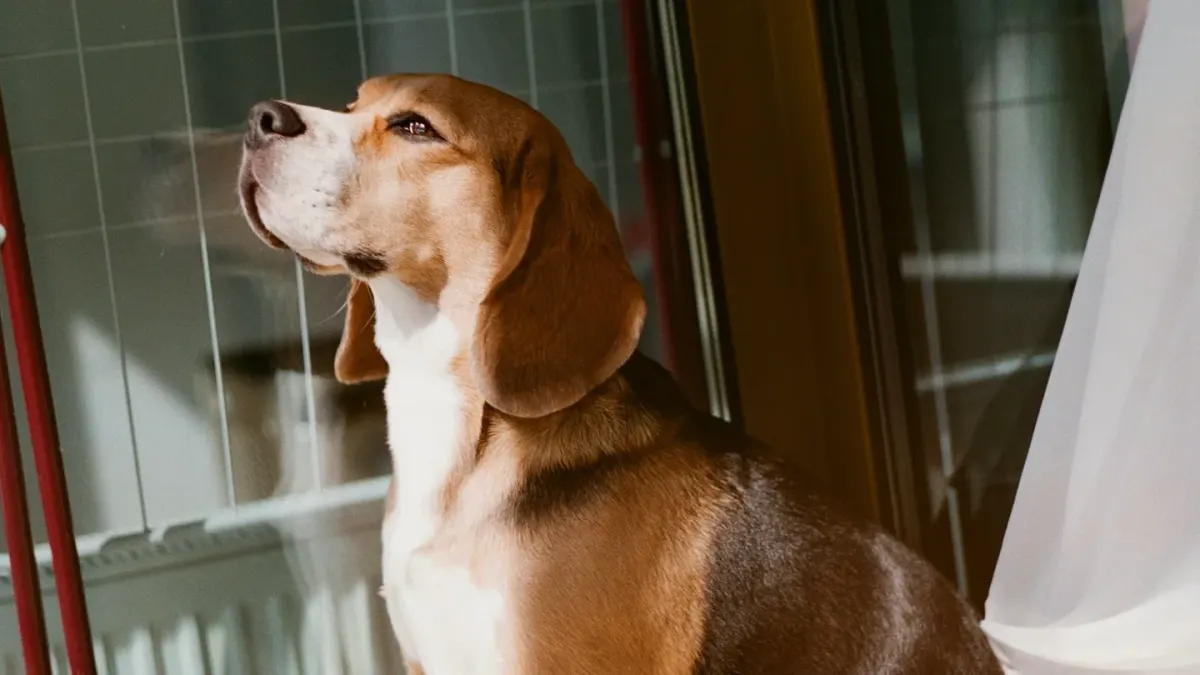
A 22-pound beagle mix flying from Denver to Chicago showed me why this matters. She panted and whined during boarding, and her owner had packed a bag of loose calming chews in checked luggage with no label and no count. By landing, one chew had crumbled, two were stuck together in heat, and the owner could not remember if the dog had gotten one before security. We reset for the return with a labeled pill pouch in a carry-on, four pre-counted chews, and a feeding note taped inside. She settled faster because the dose was certain, not because the formula changed.
My premise: the bag matters more than the brand
Owners ask which calming ingredient flies best. The harder question is whether the dose you packed is still the dose you give. Heat, moisture, crushing, and loose counting change intake more than most formula differences. Chamomile and valerian root have a long history of traditional use for relaxation, and newer reviews keep most non-human evidence in the preclinical stage, so I do not pick a winner for flight day. I pick a packing method that protects whatever your veterinarian already approved.
Keep the original label with you. Put only what you need for travel plus one extra day in a sealed carry-on pouch. Leave the bulk jar at home.
What security and the airline actually check
The TSA treats pet supplements much like other non-liquid medications in carry-on, with extra screening for powders and liquids. The FAA reminds owners that in-cabin pets must stay in a carrier under the seat, which limits when you can offer food or water.
Use that reality to plan. Put chews and capsules in a clear, resealable pouch inside your personal item. Put powders in single-serve packets with the product name and lot visible, or photograph the label. Pack liquids under 3.4 ounces in your quart bag, with the dosing syringe capped and separate. If you use liquid formulas, leakage control matters more than bottle size.
Keep it simple. One pouch, one label photo, one dosing tool.
Keep the dose intact from kitchen to tray table
Start the night before. Count doses. Write flight-day timing on masking tape. Bring the exact tool you use at home.
Last spring an owner with a seven-year-old shepherd tried to simplify by crushing calming tablets into a snack bag for a cross-country move. He tossed in three nights of doses together, added treats on top, and left the original jar at home to save space. Moisture softened the powder by day two, the crumbs stuck to the bag seams, and he could not tell a full dose from dust. The dog paced through a four-hour layover in Dallas, lip-licking and yawning, and the owner kept offering more crumbs because nothing looked like one dose. Decanting felt efficient. It removed the only controls that keep dosing accurate.
Do this instead. Keep chews whole until dosing. Keep powders dry with a desiccant and no added treats in the same packet. Keep liquids upright in a hard case. Give the supplement at the same interval you use at home, adjusted for time zones, and log the time on your phone. Contact your veterinarian before the trip if your dog takes behavior drugs, sedatives, or anti-nausea medication, or if you are considering a new dose for flight anxiety. Also review quercetin side effects as a reminder that even familiar ingredients deserve a label check before combining products.
When the normal carry-on plan will not work
Some dogs cannot take a chew in a crowded cabin. Brachycephalic breeds, nauseous dogs, puppies with loose stool, and dogs that guard food need a bend in the plan.
For a 14-week-old puppy flying home to a new family on March 14, the standard pouch plan had to bend. The breeder had started a powder calming supplement mixed with breakfast, and the 6 a.m. departure left no time for a full meal before security. The owner carried the labeled scoop and a single pre-measured packet in carry-on, plus an empty silicone bowl and water bought past security. She mixed half the packet with a spoonful of wet food after takeoff, watched for soft stool and sleepiness, and saved the rest rather than pushing a full dose on an empty stomach. Flexibility kept intake gentle during a fragile transition.
Apply that logic. If your dog vomits with chews, ask your veterinarian about skipping the flight-day dose and relying on training, crate cover, and boarding routine. If liquids spill, do not re-dose from a wet bag. If your layover runs long, offer water first, walk, then reassess. Panting, drooling, whining, and refusal to lie down tell you stress is rising. Vomiting, diarrhea, extreme sleepiness, trouble breathing, or collapse mean stop supplements and get veterinary help at the airport or on landing.
Your flight-day checklist
Pack carry-on only. Tape a card inside with product name, lot, dose, time given, and your veterinarian’s number. Bring two extra poop bags and a wipe for powder spills. Test the pouch at home for two days so your dog accepts the texture before noise and crowds.
Watch the return to baseline. If your dog eats, drinks, and settles within an hour after landing, your packing worked. If pacing, panting, or hiding lasts past that first night home, call your veterinarian before the next flight and rethink timing, carrier training, or the plan itself.
Frequently asked questions
Should calming supplements go in carry-on or checked luggage?
Use carry-on. Checked holds run hot and cold, bags get crushed, and you cannot re-dose during delays if the product is below the plane.
Can I pre-mix powder with food before security?
Avoid it. Pre-mixed food spoils faster, spills easier, and makes the dose unclear. Carry a single pre-measured packet and mix a small amount after takeoff if your veterinarian approves food on board.
Sources
- Fly Your Pet Safely — FAA