Yes, borax is dangerous for dogs — keep all cleaning and pest uses away and call your vet after any exposure.
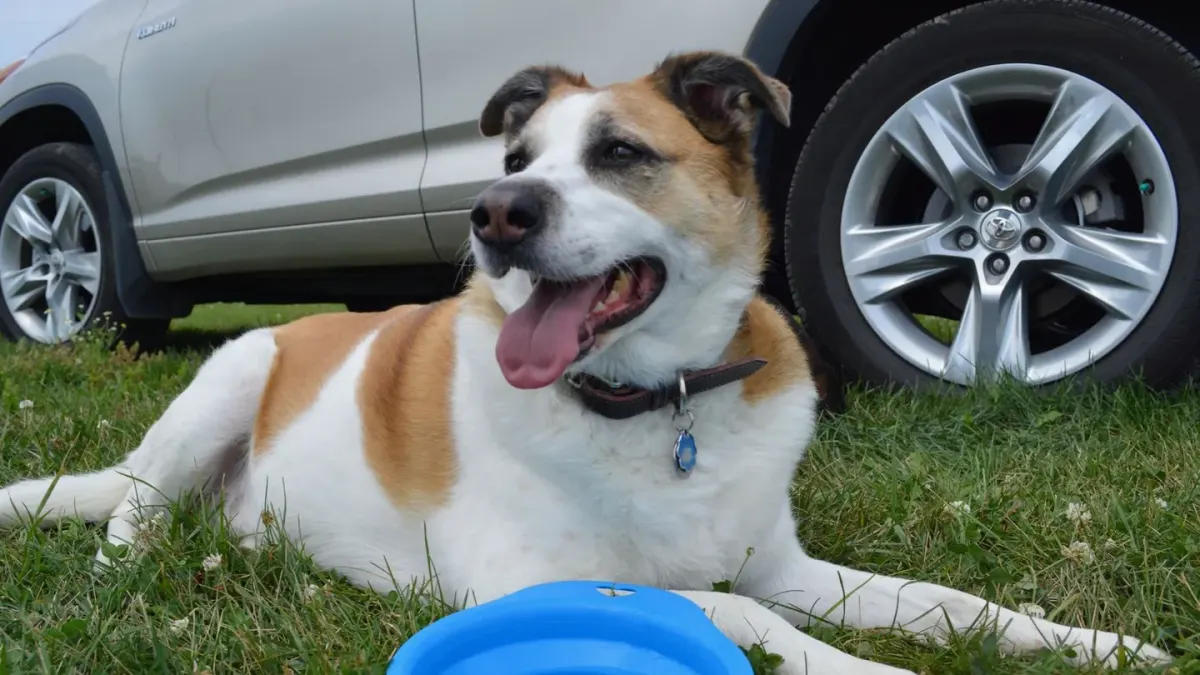
Does your dog lick mopped floors or sniff around pest powder? That habit is the reason I treat borax as off-limits for homes with dogs. A small taste can upset the stomach, and larger amounts can cause kidney or nervous system problems.
Borax is sodium tetraborate, a cleaning and laundry booster also used in some ant, roach, and flea powders. Dogs are exposed by licking powder, drinking mop water, chewing a box, or walking through powder and then grooming their paws.
I inspect ingredient labels closely at home, including when someone buys supplies for my dogs. That same habit helps with cleaning products. If the label says borax, sodium tetraborate, boric acid, or sodium borate, store it locked away or choose another product.
Why even small household uses carry risk
There is no safe home dose of borax for dogs. Risk depends on amount, concentration, body size, and whether it was eaten, inhaled, or left on skin. Small dogs, puppies, and dogs with kidney disease or sensitive skin face higher risk.
Heavy or repeated exposure has been linked to kidney effects, tremors, and other serious signs in animals. That is why vets do not treat countertop sprinkles or laundry scoops as harmless around a curious dog.
Powder forms worry me most. Powder clings to paws and whiskers. Damp powder on a kitchen floor or around a pet bed is easy to lick up during normal grooming.
Signs that point to borax exposure
Watch for a change you can see, smell, or measure today. Check the mouth, paws, belly skin, vomit, and energy level.
Common early signs include drooling, pawing at the mouth, vomiting, diarrhea, loss of appetite, thirst, or red and irritated skin where powder contacted the coat. Eye redness, coughing, or sneezing can follow dust exposure.
Call your veterinarian promptly for trouble breathing, repeated vomiting, bloody vomit or stool, tremors, stumbling, extreme sleepiness, very low urination, or any known ingestion by a puppy or small dog. Take a photo of the product label and note the time, amount, and your dog’s weight. That three-step check — what it was, how much, and how your dog looks now — helps the clinic decide the next step.
What to do right after exposure
Move your dog away from the area and prevent further licking. Wipe powder off paws and coat with a dry cloth first, then wash skin gently with lukewarm water and mild dog shampoo. Rinse the mouth carefully if you see residue, without forcing water down the throat.
Do not induce vomiting unless your veterinarian tells you to do it. Vomiting can worsen irritation, and the wrong timing can cause more harm. Contact your veterinarian, an emergency clinic, or ASPCA Animal Poison Control for case-specific direction. Keep the package with you when you call.
At the clinic, care may include decontamination, fluids, anti-nausea support, blood work to check kidneys and electrolytes, and monitoring for tremors or other neurologic signs. Bring a list of other cleaners or pesticides used in the same room.
Safer ways to clean with dogs at home
Use a closed-door routine. Keep your dog in another room until floors are dry, rinse mop water fully, and vacuum powder residues with a HEPA vacuum before letting paws back on the surface. Store boxes and homemade slime, detergents, or pest baits in latched cabinets.
For ants or roaches, seal food, fix leaks, vacuum trails, and use pet-aware pest control planned with your veterinarian or a licensed pest professional. Older dogs that spend more time on floors deserve extra care during cleaning days, much like other daily safety steps covered in How Old Does a Dog Have to Be Before Signs of Aging Typically Start? and How to Keep an Aging Dog’s Brain Active and Engaged.
End with this rule. If you see drooling, vomiting, skin redness, or unusual tiredness after borax use, stop the exposure and contact your veterinarian that day. No clean floor is worth a poisoning risk.
Frequently asked questions
Is borax dangerous for dogs in laundry?
Yes. Laundry powder or wash water with borax can cause vomiting, drooling, skin irritation, and more serious effects if swallowed. Keep dogs away from laundry products and rinse any splashes off skin and bowls.
What if my dog walked through borax powder?
Move your dog off the powder, wipe paws and belly with a dry cloth, then wash with lukewarm water and mild dog shampoo. Watch for licking, redness, vomiting, or lethargy and call your veterinarian for guidance.
Sources
- Animal Poison Control — ASPCA Animal Poison Control