No, night crating is not cruel when the crate fits, training is gradual, and distress always opens the door.

Does your dog settle in the crate at night, or scratch, whine, and stare at you through the bars. That difference answers the question.
A crate is not cruel by itself. What makes it cruel is poor fit, too many hours inside, and closing the door when a dog is panicked, sick, or still untrained. Used well, many dogs treat it like a bedroom. Used poorly, it becomes confinement they cannot escape.
I look at three things on the clinic floor: can the dog stand, turn, and lie on its side comfortably. Did we teach the crate in small daytime steps first. And what is the dog telling us tonight.
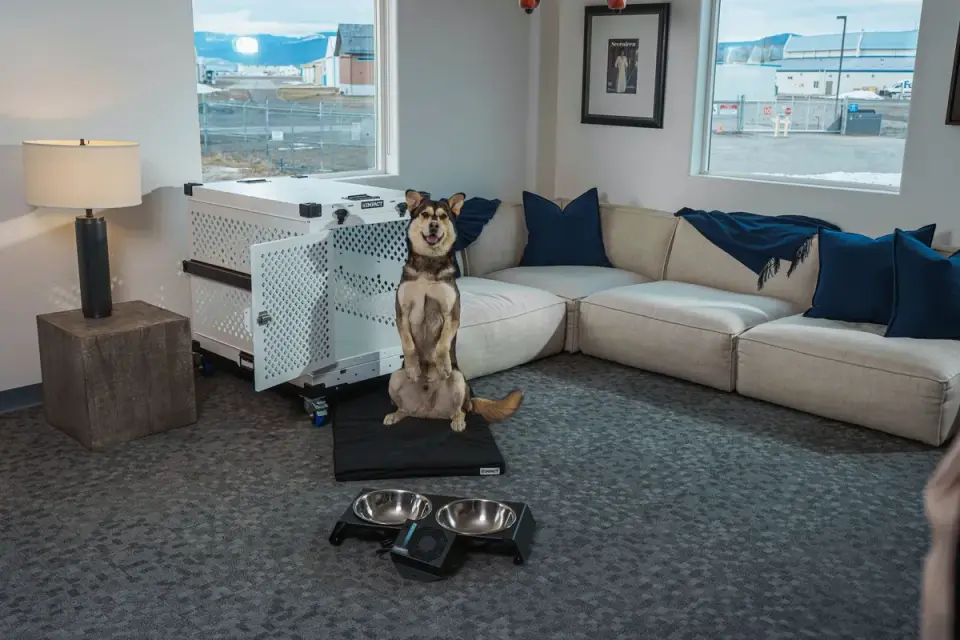
When a night crate works like a den
Dogs rest better with a predictable spot, especially puppies, new rescues, and light sleepers who chew when bored. A crate in your bedroom often helps for the first weeks. The dog hears you breathe, you hear the early potty whine, and nobody has to guess.
The setup matters more than the brand. Size for the adult body, not the pet-store display. Add a washable bed, a safe chew, water access for adults on vet advice, and airflow on three sides. Keep the room dark, quiet, and cool. Guidance from the American Veterinary Society of Animal Behavior favors humane, reward-based training over force, and that applies to crate training too. Feed meals inside with the door open, then practice short closed-door naps before you try a full night.
Owners asking about brain aging and nighttime waking sometimes read my pieces on How to Keep an Aging Dog’s Brain Active and Engaged and How Old Does a Dog Have to Be Before Signs of Aging Typically Start?. Routine and daytime mental work help nights stay calm.
When crating at night becomes unfair
Time is the first limit. Puppies need a midnight potty break. Most adult dogs should not be crated all workday plus all night with only brief breaks. If the day was already crate-heavy, give a pen, dog-proofed room, or family time in the evening.
Distress is the second limit. Panting, drooling, bent bars, broken nails, wet paws, or howling that gets worse are not disobedience. The American Kennel Club notes crate training should move in gradual steps, and a dog that panics needs a slower plan, not a longer lock-in. Do not crate through separation panic, noise fear, vomiting, diarrhea, coughing, limping, or post-surgery restlessness without clear veterinary instructions.
Fit is the third limit. Nose or tail pressed to the ends, inability to stretch on the side, or heat buildup in a covered plastic crate means size up, ventilate, or switch setups.
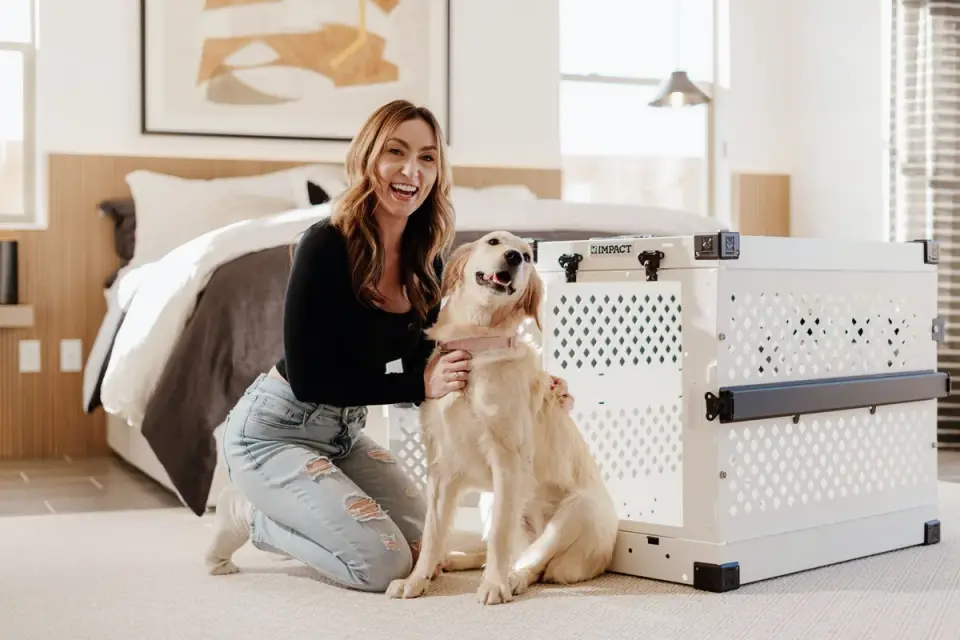
My three-step check for tonight
Use this before lights out.
- Body check. Potty, water, pain, itch, heat, hunger. A dog that paced all evening, skipped dinner, or strains to urinate needs a vet call, not crate practice.
- Skill check. Did the dog choose the crate today with the door open. If not, you are moving too fast. Go back to treats, brief door-closed meals, and a bedtime chew.
- Sound check. Settle for 10 to 15 minutes. Quiet shifting and sighing is normal. Escalating whining, barking, chewing bars, or trying to dig out means open the door and change the plan.
Call your veterinarian promptly for trouble breathing, repeated vomiting, bloody stool, inability to urinate, sudden pain, or panic that risks injury. Night restlessness with panting or repeated waking can have medical causes.
Shai, an 8-year-old intact female Australian Shepherd mix from Lakeland, is the kind of case I keep in mind here. Her owner Tracey noticed Shai stopped choosing her crate and started pacing after bedtime. The useful detail was not age alone. It was the change in the observable pattern, and that change meant a daytime vet check before any more night training.
If you try the crate tonight, watch the morning. A dog that walks in willingly, sleeps through with one expected puppy break, and wakes loose and thirsty is telling you the den works. A dog that avoids it, stays wired, or wakes hoarse, wet, or sore is telling you to stop and get help.
Frequently asked questions
How long can a dog stay in a crate at night?
Most healthy adults sleep 6 to 8 hours with daytime freedom and exercise, while puppies need one or more potty breaks. If the dog was crated most of the day, shorten night crating and offer a larger sleeping area.
Should the crate be in my bedroom?
Yes for puppies, new dogs, and anxious sleepers. Nearby sleep makes potty trips faster and helps you hear distress early. Move it later only if the dog stays relaxed.
What if my dog cries in the crate at 2 a.m.?
Take it seriously. Offer a calm potty trip on leash with little light or play. If the need was real, adjust the schedule. If crying escalates, opens with panic, or comes with drool, accidents, or injury attempts, stop crating and talk to your veterinarian or a reward-based trainer.
Sources
- Humane Dog Training Position Statement — American Veterinary Society of Animal Behavior
- How to Crate Train Your Dog in 9 Easy Steps — American Kennel Club