Nothing should go inside that ear until it has been examined — the right care depends on whether yeast, bacteria, mites, or allergy is driving the swelling.
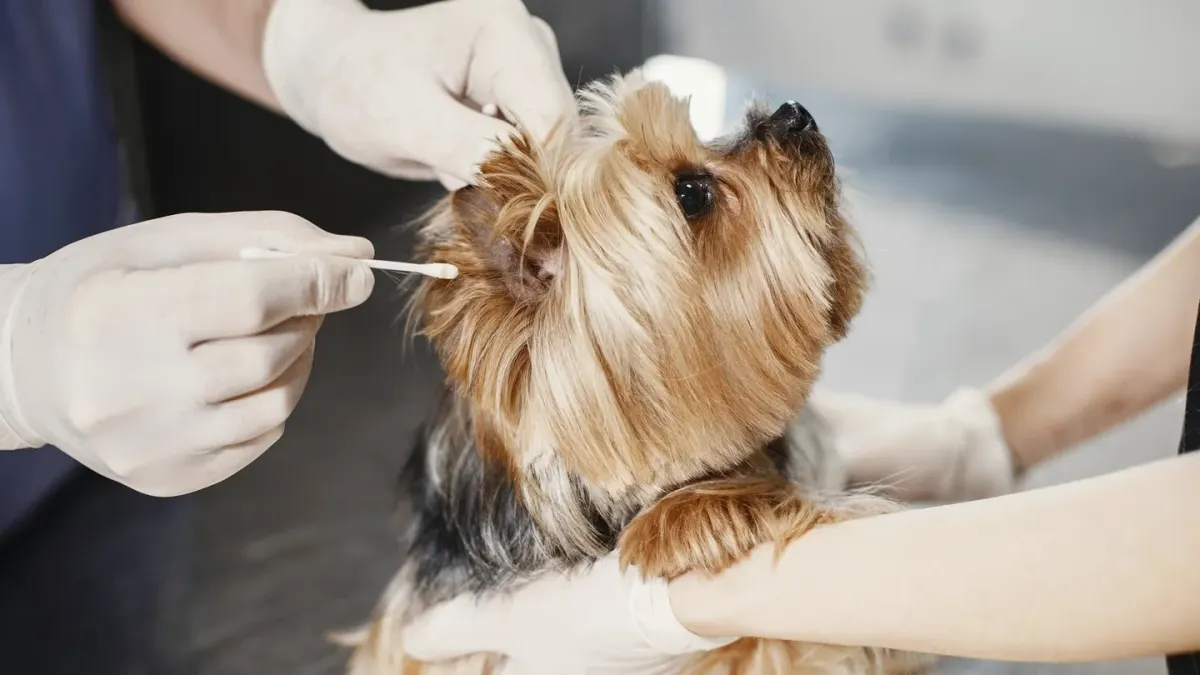
Is that ear pink, warm, and sore to touch today. That is inflammation, not a diagnosis.
Mary noticed it in Fang, her 3-year-old neutered male Bichon Frise in Manchester, New Hampshire. Head shaking after a walk. One ear held low. A sweet smell when she lifted the flap. She wanted to put something in to help. I would ask her to pause and get that ear looked at first.
An inflamed ear has more than one cause
Redness means the skin inside the canal is irritated. Yeast overgrowth, bacterial infection, ear mites, trapped moisture, or allergy can all look the same from the outside. The canal shape in dogs holds debris and blocks airflow, which is one reason VCA Hospitals notes that otitis externa is common and often needs specific treatment based on the cause.
You cannot tell yeast from bacteria by color or smell alone. That is why the exam matters. A quick look with an otoscope, plus a swab under the microscope, tells your vet what is actually in there. The American Kennel Club describes the same pattern of head shaking, odor, discharge, and scratching, and points owners toward veterinary diagnosis rather than home guesses.
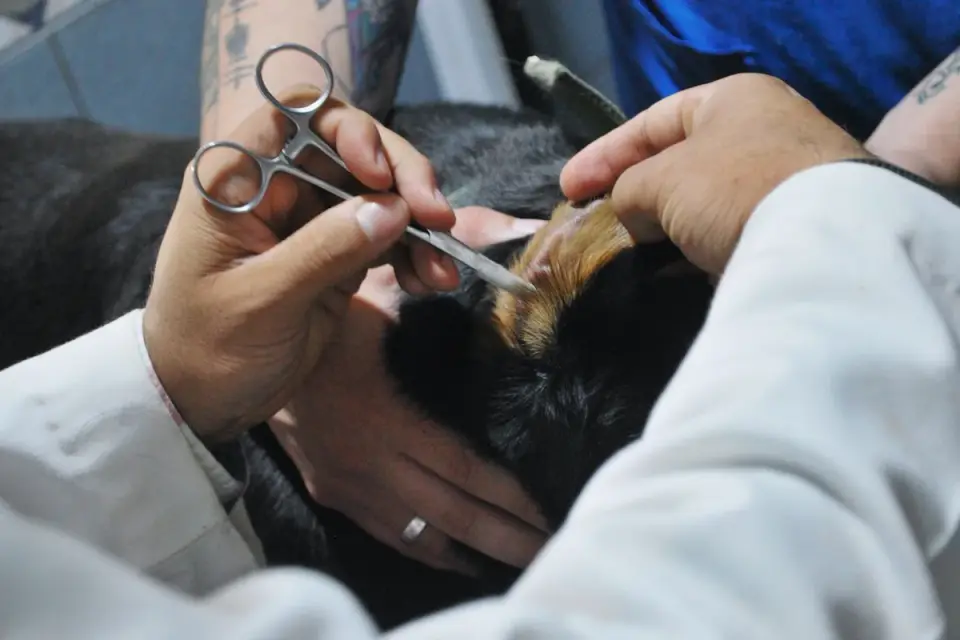
My three-part check before anything goes in
I keep this simple on the clinic floor.
One, look without touching inside. Lift the flap in daylight. Note redness, swelling, discharge, odor, or pain when you touch the base. Take a photo for your vet.
Two, protect the canal. Keep water, shampoo, oils, vinegar, hydrogen peroxide, and leftover drops out. Stop scratching with cotton buds. They pack debris deeper and hurt swollen skin. Keep the nails short and use an e-collar if pawing is constant.
Three, call with details. Age, how long it has lasted, one ear or both, recent swimming or baths, allergy history, and any medication already tried. Dogs with repeat ear trouble often have an allergy behind it. That history changes the plan.
Older dogs with stiff routines can get more stressed by handling and clinic visits. Keeping the day calm helps. I often point owners to low-stress habits I use for seniors, like the ideas in How to Keep an Aging Dog’s Brain Active and Engaged and the age context in How Old Does a Dog Have to Be Before Signs of Aging Typically Start?.
Why home liquids often make it worse
An inflamed canal may have a damaged eardrum behind it. You cannot see that at home. Liquids placed into an ear with a tear can cause pain, hearing change, or a deeper infection. Oils and home mixes also feed yeast and trap debris. Leftover antibiotic or steroid drops may be the wrong drug, the wrong dose, or expired.
Your vet will clean the ear safely, check the drum, identify yeast, bacteria, or mites, then prescribe what fits. That may be a topical product with the right combination, an ear flush done in clinic, allergy care, or a recheck to confirm the canal is open again.
Signs to contact your vet today
Call the same day for strong pain, crying when the ear is touched, head tilt, loss of balance, swelling of the flap, bloody or yellow-green discharge, bad odor, no eating, or no improvement in 24 to 48 hours. Puppies, dogs with a first-time ear problem, and dogs that keep shaking despite gentle protection should be seen promptly.
Fang got seen, not soaked. His vet found debris deep in the canal and started cause-based care. Mary tracked the sign that mattered. Less head shaking and a cooler, drier flap meant the plan was working. More pawing or new odor would have meant a call back.
If you remember one rule, make it this. Look, protect, and call. Put nothing inside an inflamed ear until someone qualified has looked inside it.
Frequently asked questions
Can I clean my dog's inflamed ear at home?
Skip home cleaners until your vet has checked the eardrum and the cause. Wipe only the outer flap if your vet advises it, and keep water and cotton buds out of the canal.
Can I use leftover ear drops?
No. The wrong drug or an expired product can mask signs or irritate swollen skin. Bring the label to your visit so your vet can tell you what still applies.
How fast should an inflamed ear improve?
Many dogs start shaking less within a day or two of correct treatment, but redness and discharge take longer to clear. Call back for more pain, new swelling, odor, or head tilt.
Sources
- Ear Infections in Dogs (Otitis Externa) — VCA Hospitals
- Dog Ear Infections: Symptoms, Causes and Treatment — American Kennel Club