A Chug looks like a small, sturdy Pug-Chihuahua mix with a short muzzle, round eyes and curled tail.
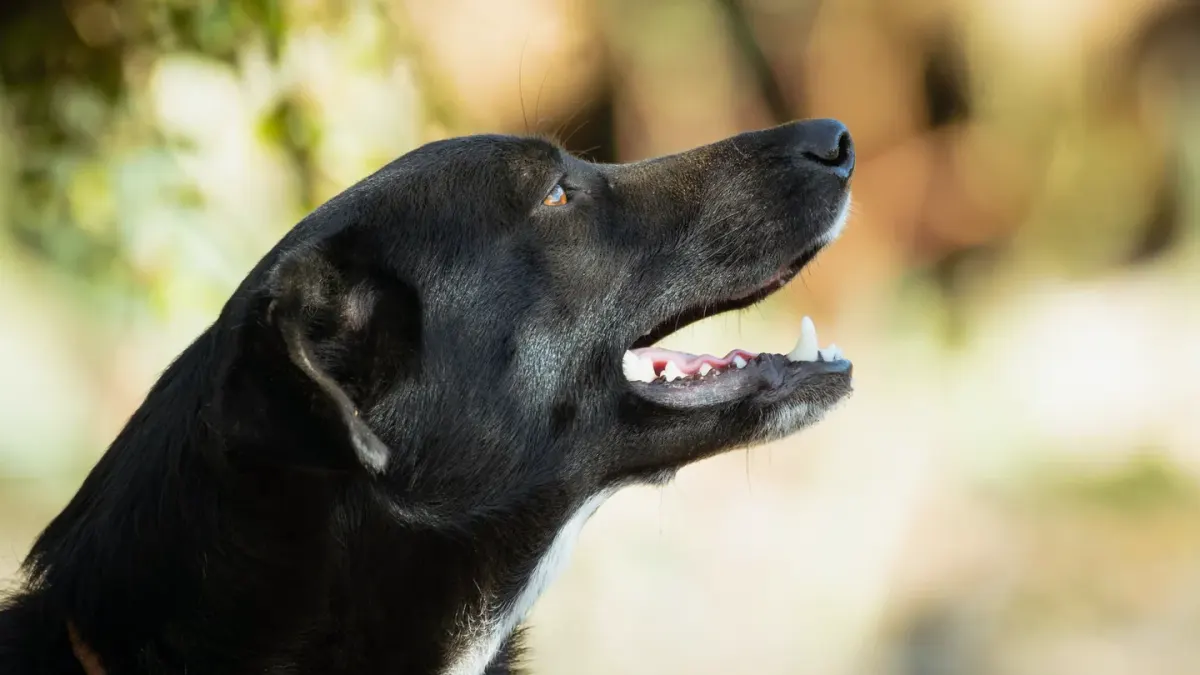
Wondering what does a Chug dog look like? Think small Pug body with Chihuahua influence — compact, round-headed, and usually flat-faced.
Most Chugs weigh 10 to 20 pounds and stand 8 to 12 inches at the shoulder. The body is sturdy and a little barrel-chested. Legs look short. The tail often curls over the back like a Pug, though some Chugs carry a looser curl or sickle tail.
Size, coat and color patterns
Coats are short to medium and usually smooth. Fawn, tan, black, cream, and brown mixes are common. White chest markings and a black mask show up often.
Wrinkles vary. Some Chugs have a smooth Chihuahua-like forehead. Others have Pug forehead folds. Watch skin folds for redness, odor, or dampness. Clean and dry folds gently, and contact a veterinarian if skin looks sore.
Weight matters here. A compact frame hides extra pounds fast. I check ribs with flat fingers monthly. You should feel ribs easily under a thin cover. Learn more as your dog ages in How Old Does a Dog Have to Be Before Signs of Aging Typically Start?.
Face, eyes and breathing clues
This is the part to study. A Chug almost always inherits a shortened muzzle. The nose sits close to the face. Nostrils may look narrow or pinched. Eyes look large, round, and forward-facing.
That flat-faced shape can affect airflow and eye exposure. The American Kennel Club describes the Pug parent as compact with a short muzzle and large, prominent eyes, and Chugs often follow that pattern. The Chihuahua parent adds variation in head shape and ear carriage, as described by VCA Hospitals.
Look for noisy breathing at rest, snorting with light play, or trouble settling in heat. Eyes that water, squint, or look cloudy need prompt care. Contact a veterinarian the same day for squinting, pawing at the eye, or sudden breathing effort.
Ears, tail and everyday variation
No two Chugs match exactly. Ears may stand erect like a Chihuahua, fold like a Pug, or sit halfway. Heads range from apple-round to broader and wrinkled. Muzzles range from very short to slightly longer.
Longer muzzles often breathe more quietly. Very short muzzles need closer heat and exercise planning. Keep walks short in warm weather. Offer water and shade. Dogs that pant heavily or lag behind need a break and a vet check if it repeats. For heat sensitivity with age, see Why a Senior Dog Seems More Sensitive to Heat or Cold Now.
Run this three-step check at home
Use this when you meet a Chug puppy or rescue, or when you want a baseline.
- Look at the profile. Note muzzle length, nostril openness, and eye prominence.
- Listen for two minutes. Quiet rest breathing is reassuring. Constant snore-like sound awake, gasping, or blue-tinged gums means call a veterinarian now.
- Feel the body. Ribs, waist from above, and skin folds. Note odor, discharge, or scratching.
Write down what you find. Bring a short video of breathing to the visit. Video changes the conversation.
If breathing sounds louder this month than last, or eyes look less comfortable, change the plan and schedule a veterinary visit.
Frequently asked questions
How big does a Chug dog get?
Most adult Chugs stay small, about 10 to 20 pounds and 8 to 12 inches tall, with a compact, sturdy build.
Do all Chugs have flat faces?
Most have a shortened muzzle, but length varies. Some look very Pug-like and others have a slightly longer Chihuahua-influenced muzzle.
What appearance clue means a vet visit?
Pinched nostrils with noisy rest breathing, heavy panting with little effort, squinting, eye discharge, or sore skin folds should prompt a veterinary visit.
Sources
- Pug Dog Breed Information — American Kennel Club
- Chihuahua Dog Breed Information — VCA Hospitals