Plain whole foods can work as dog treats, but only when you check ingredients, portion, and risk first.
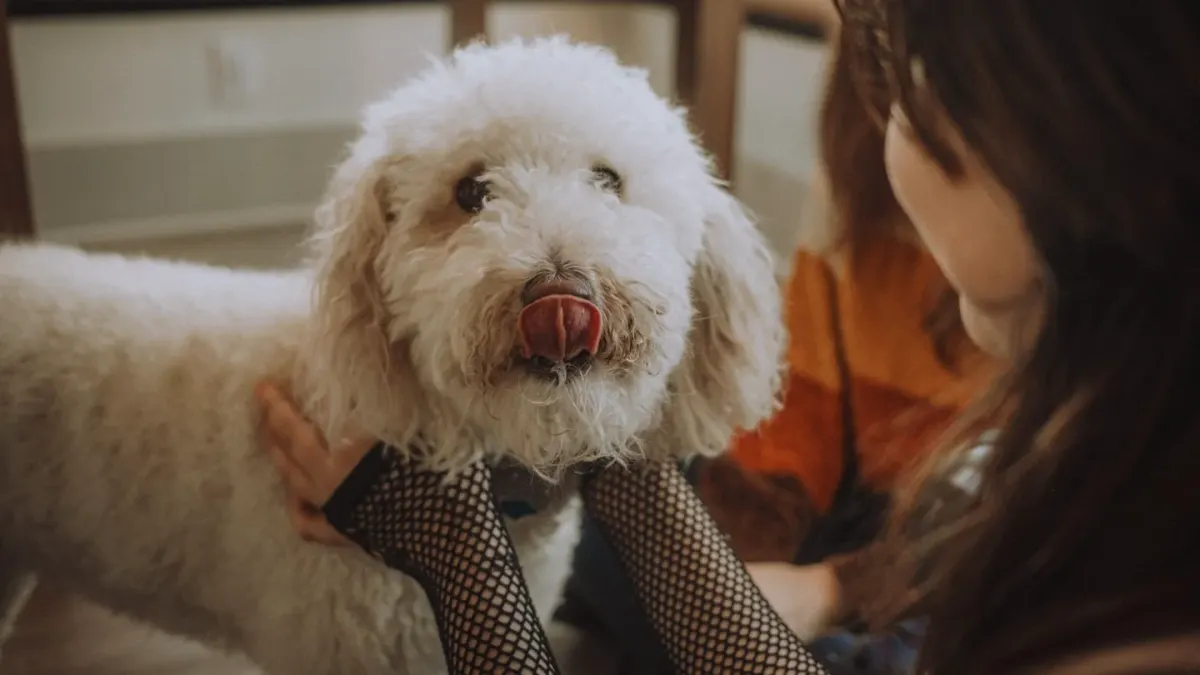
Can dogs have natural treats without a problem later that night.
Janet in Evansville wondered this with Scottie, her 4-year-old neutered Shiba Inu, staring at the cutting board. She wanted to share something real, not a long ingredient list, and she wanted to be done guessing after one 10-minute snack break. That question is where I start with most owners.
My premise is simple. The best natural treats are plain single-ingredient foods in small portions, and a natural label alone does not make a treat safe.
Natural does not mean safe by itself
Grapes, raisins, onions, garlic, macadamia nuts, xylitol-sweetened peanut butter, and alcohol are all natural in origin. They still do not belong in a treat bowl. The U.S. Food and Drug Administration lists many everyday foods and household items as potentially dangerous for pets, which is why label reading matters more than front-package wording.
The ASPCA also flags people foods to avoid feeding pets, including grapes, raisins, onions, garlic, macadamia nuts, and products containing xylitol. I tell owners to screen for those first, every time.
Plain wins.

7 plain options I reach for first
Keep treats to about 10% of daily calories. Cut pieces small enough to chew easily, serve plain with no butter, oil, salt, garlic, onion, or sweetener, and introduce one new food at a time.
- Blueberries or sliced strawberries. Wash well, then offer a few berries.
- Watermelon flesh, seedless. Remove rind and seeds.
- Sliced apple, no seeds or core. Plain peanut butter must list peanuts only, with no xylitol.
- Baby carrots or green beans, raw or plain steamed. Many dogs like the crunch.
- Plain cooked pumpkin puree, not pie filling. Look for one ingredient: pumpkin.
- Plain cooked chicken breast or turkey, no skin or seasoning. Shred into pea-sized bits.
- Plain cooked salmon in small flakes, fully boned and unseasoned. Skip smoked or cured fish.
For owners exploring produce variety, Natural Food Sources of Quercetin for Dogs: What Actually Belongs in the Bowl explains which fruits and vegetables fit better in rotation. Texture and fiber tolerance also shift with age, which How Old Does a Dog Have to Be Before Signs of Aging Typically Start? puts in practical context.
My three-step check before you share
Ask three things in order.
Is it plain and single-ingredient. If the label lists sweetener, seasoning blend, onion powder, garlic powder, or xylitol, stop.
Is the form and amount low risk. Remove pits, seeds, rind, cooked bones, and corn cobs. Start with one to two teaspoons for a small dog or one to two tablespoons for a larger dog, then watch stool and appetite for 24 hours.
Does your dog have a reason to skip it. Pancreatitis history, kidney disease, diabetes, food allergy, chronic vomiting or diarrhea, or a weight-loss plan all change the answer. Contact your veterinarian before sharing table foods if any of those apply.
This keeps working because it translates worry into action.
Where I draw the line
I skip grapes and raisins entirely, even one. I skip onions, garlic, chives, macadamia nuts, alcohol, and anything with xylitol. I also skip cooked bones, fatty trimmings, corn cobs, and heavily salted or spiced foods. Those cause choking, blockage risk, or stomach upset far more often than owners expect.
Call your veterinarian promptly for repeated vomiting, diarrhea lasting more than a day, belly pain, loss of appetite, lethargy, trouble passing stool, or any grape, raisin, xylitol, onion, garlic, or macadamia nut ingestion.
Watch the next stool and the next meal.
Frequently asked questions
What natural treats can dogs have?
Plain single-ingredient foods such as blueberries, watermelon flesh, apple slices, carrots, green beans, plain pumpkin puree, and plain cooked chicken in small amounts. Avoid grapes, raisins, onions, garlic, macadamia nuts, xylitol, alcohol, cooked bones, and seasoned foods.
How much natural treat is okay per day?
Keep all treats near 10% of daily calories, start with 1 to 2 teaspoons for small dogs or 1 to 2 tablespoons for larger dogs, and watch stool and appetite for 24 hours.
Sources
- Potentially Dangerous Items for Your Pet — U.S. Food and Drug Administration
- People Foods to Avoid Feeding Your Pets — ASPCA