Is that expired probiotic still helpful, or are you just giving a flavored chew with little inside.

Does an expiration date mean a dog probiotic turns harmful overnight. Not quite. That date is mostly a promise about live microorganisms through a set time under set storage.
Sean in Stamford keeps a jar for Gino, his 8-year-old neutered male Italian Greyhound mix, on top of the fridge. The stool had stayed soft for three days after a diet change, the jar was four months past its date, and Sean wondered whether to double the scoop or throw it out. Vets often see that moment of hesitation in a kitchen.
The premise worth testing is simple. If the date has passed, the product is either fine or it belongs in the trash. The truth sits between those poles and depends on live count, moisture, and heat.
That date tracks live organisms, not just freshness
A probiotic label lists colony-forming units through the end of shelf life when stored as directed. Heat, humidity, and oxygen reduce that count over time. The National Institutes of Health explains that probiotic effects depend on live microorganisms reaching the gut in adequate numbers, which is why storage and viability matter for any probiotic product.
A balanced gut microbiome supports overall immune function. That structure-function idea helps explain why owners buy these products, but it does not mean an old or heat-damaged product still delivers the labeled amount.
The U.S. Food and Drug Administration notes that pet food labels, including storage directions and date codes, are part of how a product is meant to be handled and used. Read the storage line as part of the dose.
An unopened jar and an open jar age differently
Compare two jars with the same printed date. One stayed sealed in a cool pantry. The other sat open near a stove for ten weeks, scooped with a damp spoon.
The sealed jar has a better chance of holding count. The open jar has faced repeated air and moisture, which can lower viable count well before the printed date. Pumpkin fiber is a gentle, natural source of both soluble and insoluble fiber, and many gut products pair fiber with live strains, yet fiber does not protect live strains from heat or damp air.
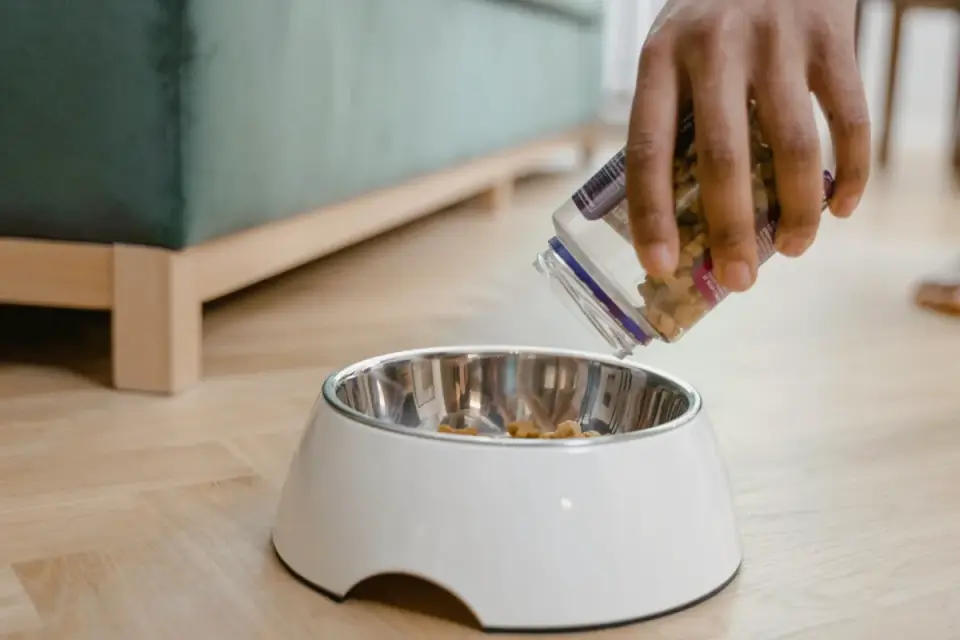
That difference matters for dogs with ongoing digestive signs. An older article on How Old Does a Dog Have to Be Before Signs of Aging Typically Start? shows how age changes what owners watch at home, and seniors like Gino deserve a product that still holds its labeled strength.
A three-step check before you use an old product
Look at the date, the seal, and the storage history. That order keeps the decision practical.
First, check the printed date and lot code. If it is past date by months rather than days, plan to replace it rather than stretch it. Second, check the package. A broken seal, puffed pouch, clumped powder, sour or rancid smell, or visible moisture means discard it. Third, recall heat exposure. A jar left in a car, garage, or beside an oven for days has likely lost potency even if the date looks fine.
Keep new jars sealed, cool, and dry. Close pouches tightly after each use. Avoid moving powder to another container unless the label directs it.
Contact a veterinarian before continuing a probiotic when a dog has bloody stool, vomiting, lethargy, loss of appetite, weight loss, or diarrhea lasting more than 48 hours. Those signs change the next step from restocking to an exam. Broader senior care habits, like the routines in How to Keep an Aging Dog’s Brain Active and Engaged, work best when gut issues are not left to linger.
When to replace it without debate
Replace the product when it is past date and the dog still has signs. Do not double the scoop from an old jar to make up the difference.
Replace it also when directions call for refrigeration and the product sat warm, when moisture got inside, or when you cannot read the lot and date. A fresh product with clear directions costs less than weeks of uncertain dosing.
The sign that should change what you do next is simple. Firm, regular stools and normal appetite point toward routine restocking. Ongoing soft stool, straining, mucus, blood, or a dull appetite point toward a veterinary visit.
Frequently asked questions
Do expired dog probiotics become toxic?
The main concern is loss of live organisms and poor results, not sudden toxicity. Discard any product with moisture damage, bad odor, clumps, or a broken seal, and contact a veterinarian for vomiting, blood in stool, lethargy, or diarrhea beyond 48 hours.
Can I use more scoops from an old jar to make up for lost potency?
No. The live count is unknown once the date or storage has been compromised. Replace it with a fresh, properly stored product and follow label directions.
How should I store dog probiotics after opening?
Follow the label. Keep the container tightly closed in a cool, dry place, away from heat and humidity, and use a clean, dry scoop each time.
Sources
- Probiotics Fact Sheet for Health Professionals — National Institutes of Health
- Pet Food — U.S. Food and Drug Administration