Pet the chest, shoulders and ear bases to relax most dogs, and let body language decide if you continue.

Where do your hands go when you want your dog to settle beside you on the couch. For most dogs, the answer is the chest, the front of the shoulders, and the base of the ears with slow, steady strokes.
I watch for soft eyes, a loose jaw, and weight leaning in. Those signs mean continue. Lip licking, head turning away, yawning when not tired, or freezing mean pause.
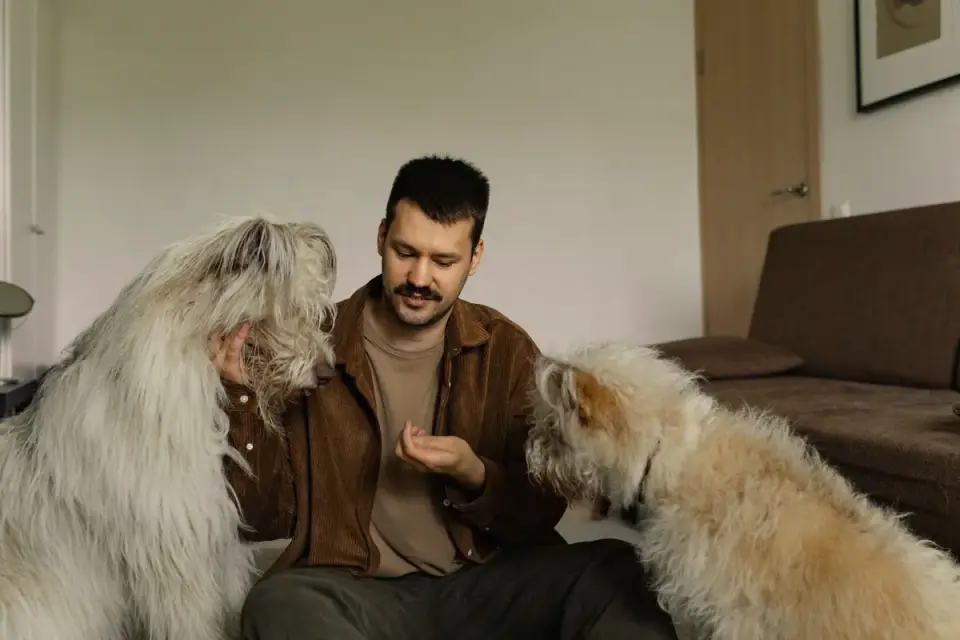
The calm spots to start with
Sit beside your dog rather than looming over him. Offer the back of your hand to sniff. Then stroke the side of the chest in one direction, about one slow pass every two to three seconds.
Move to the shoulder muscles next. Use flat fingers with light pressure, not fingertips digging in. Finish around the base of the ears with gentle circles. Many dogs soften here because the touch is predictable and you are not reaching across their face.
Stacey in Washington, District of Columbia, sees this with Yuzu, her 2-year-old neutered male Pug mix. When Yuzu sits, a quiet chest rub settles him. When Stacey reaches straight for the top of his head, he ducks.
Research on touch supports paying attention to familiarity and style. In cats, the study diet significantly increased the ratio of plasma tryptophan to large neutral amino acids and decreased urinary cortisol concentrations after being consumed daily for 8 weeks, but there was no effect on plasma cortisol levels following a stressful event (veterinary examination and blood draw), as described by Journal of Applied Animal Welfare Science. Calm, familiar handling tends to read as safer to the dog.
Why the head pat and belly rub backfire
The top of the head is the most overused spot. The hand comes from above, shadows the eyes, and bends the neck back. Some dogs accept it. Few dogs choose it.
The belly is similar. A dog showing the belly is often asking for space, not asking for a rub. Rolling over with a tense body, tucked tail, or whale eye is appeasement. True invitation looks loose, wiggly, and easy to walk away from. When in doubt, return to the chest.
The slow rhythm that signals rest
Speed matters more than spot. Fast patting wakes the nervous system up. Slow stroking tells the body nothing needs doing.
Try this three-step check. Pet for three seconds. Stop with your hand resting lightly on the chest. Watch what your dog does. Leaning in, nudging, or soft sighing means more. Moving away means done.
Keep sessions short at first, one to two minutes. Pair quiet touch with a settled place, the same blanket or bed each time. For ideas on building that habit, see How to Keep an Aging Dog’s Brain Active and Engaged. Age can change touch tolerance too, which How Old Does a Dog Have to Be Before Signs of Aging Typically Start? explains in plain terms.

When petting is not the answer
Touch does not fix fear, pain, or panic. Contact your veterinarian promptly if calm stroking now causes growling, snapping, yelping, stiffness on walks, panting at rest, or hiding. A sudden change in where a dog likes to be touched can reflect ear, neck, back, or skin pain.
If the thunder starts and your dog shakes under the desk, skip prolonged petting and focus on safety. Lower noise and light, offer the crate or interior room if the dog seeks it, and stay nearby with quiet company. Ask your veterinarian about a behavior plan if shaking, drooling, escape attempts, or loss of house training happen with storms, fireworks, or departures.
The sign that should change your next action is choice. A relaxed dog stays close and soft. A tolerant dog stays still and tight. Pet the dog in front of you, and let the soft body tell you to continue.
Frequently asked questions
Where should I pet my dog to help him relax?
Start with the chest, front of the shoulders, and base of the ears using slow strokes, then continue only if body language stays soft and loose.
Why does my dog duck when I pat the top of his head?
A hand reaching from above can feel threatening and bend the neck back. Try approaching from the side at chest level instead.
Does my dog want a belly rub when he rolls over?
Not always. A loose, wiggly rollover often invites touch, while a tense body with tucked tail or wide eyes often signals appeasement. Return to the chest if unsure.
Sources
- Effects of a diet on tryptophan ratio and cortisol in cats — Journal of Applied Animal Welfare Science