Many doodles are being rehomed for matting, energy, and cost, which you can prevent with daily grooming, training, and budgeting.
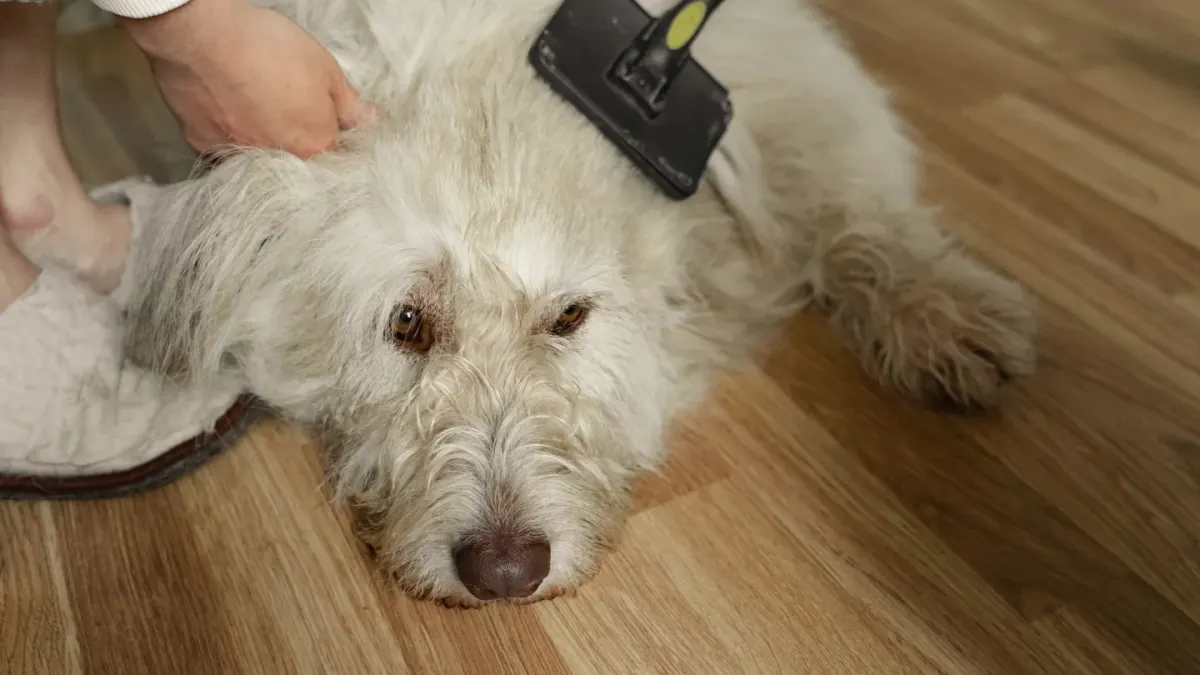
Why are so many doodles being rehomed. The short answer is mismatch, not bad dogs, and it comes down to coat care, energy, and cost.
Does that surprise you. Many buyers expect a calm, low-shedding, low-maintenance dog. What they bring home is often a smart, social, high-energy adolescent with a coat that mats fast without routine care.

The coat is more work than most expect
Doodle coats shed less hair around the house for many dogs, but low-shed does not mean low-maintenance. Loose hair gets trapped in curls and waves, then tangles turn into mats. Mats pull skin, trap moisture, and make brushing painful.
Check behind the ears, under the collar, in the armpits, and around the tail base. Those spots mat first. Run a metal comb to the skin every day or two. If the comb snags or will not pass through, that is matting starting.
Brush, then comb to verify. Keep a regular professional grooming schedule, usually every 4 to 8 weeks depending on coat length and lifestyle, plus brushing at home between visits. The ASPCA outlines this brush-then-comb approach and routine coat care as basic dog grooming, not extra pampering.
When brushing hurts or the coat is pelted, contact your veterinarian or groomer promptly for a safer next step. Do not cut tight mats with scissors at home. Skin lifts into mats and cuts easily.
Energy and training catch owners off guard
Most doodle mixes come from active breeds, Labradors, Golden Retrievers, and Poodles. Expect a puppy and adolescent that needs daily exercise, mental work, and sleep in a consistent routine.
Watch for the pattern. Jumping, mouthing, pulling on leash, counter surfing, and barking for attention are normal untrained behaviors, not aggression. Without training they get bigger, faster, and harder to live with around 8 to 18 months. That is a common age for rehoming calls.
Teach a short daily plan. Two to three brief training sessions, one sniffy walk or fetch session, one chew or puzzle feeder, and protected naps. For ideas to keep a smart dog busy, use How to Keep an Aging Dog’s Brain Active and Engaged as a starting point for enrichment, adjusted for a younger dog.
Use the three-step check. What did my dog just do. What do I want instead. How do I reward that replacement in the next ten seconds. End with the observable sign that should change your next action, a dog that can settle on a mat after exercise needs more repetition, a dog that cannot settle may need more sleep, less excitement, or a veterinary visit.
Size, cost, and health add pressure
Mini does not always stay mini. Mixed-breed size can vary, even within one litter. A 50-pound adolescent that jumps and pulls feels very different than the small puppy in photos.
Add cost. Food for a medium or large active dog, grooming every few weeks, training classes, boarding, and veterinary care add up fast. Grooming alone can be several hundred dollars per year in many areas.
Health issues also strain budgets and time. notes that routine grooming is also health monitoring, a chance to spot lumps, skin changes, ear odor, and nail problems early.
If you notice persistent scratching, head shaking, limping, vomiting, diarrhea, or a sudden behavior change, contact your veterinarian. That visit is the safer next step.

How to decide before you get a doodle
Ask three plain questions. Can I comb to the skin several times per week for the next 10 to 14 years. Can I train and exercise a medium to large energetic dog daily through adolescence. Can I afford professional grooming plus routine veterinary care.
Age matters for planning too. Read How Old Does a Dog Have to Be Before Signs of Aging Typically Start? to set expectations for the senior years, when grooming, mobility, and veterinary needs change again.
If the answer to any question is no, choose a lower-maintenance breed or wait. Fostering a doodle for a rescue for two to four weeks is a practical test. You will learn the real grooming load, energy level, and alone-time tolerance before committing.
If you already have one and feel overwhelmed
Start with the simple thing you can notice or do today. Pick one problem, matting, pulling, jumping, or barking, and work that single skill for two weeks.
Book grooming before the coat is urgent. Ask the groomer what brush and comb fit your dog’s coat, how short a trim would make home care easier, and what schedule prevents matting. Shorter hair is not failure. It is comfort.
Get training help early. A certified trainer can set up crate rest, house training, leash skills, and calm greetings. If anxiety, fear, or aggression appear, or if behavior worsens despite consistent training, contact your veterinarian to rule out medical causes and discuss referral.
Rehoming is sometimes the kindest option when safety, housing, or resources truly do not fit. Work with the breeder if there is a return contract, or with a breed-specific rescue that understands coat and energy needs. Give full history, grooming needs, exercise needs, medical records, and bite history in writing.
The dogs are not broken. Most rehomed doodles need consistent brushing, clear training, enough activity and sleep, and an owner budget that fits the real coat and energy underneath the cute photo.
Frequently asked questions
Are doodles hypoallergenic and non-shedding?
No dog is fully hypoallergenic. Many doodles shed less visible hair, but loose hair and dander remain and the coat still needs frequent brushing and regular trims to prevent matting.
How often does a doodle need grooming?
Plan on brushing several times per week with comb verification, plus professional grooming about every 4 to 8 weeks. Shorter clips and more frequent brushing prevent painful mats.
What age are doodles most often rehomed?
Many are rehomed as adolescents, roughly 8 to 18 months, when size, energy, and training needs peak and grooming costs become clear.
Sources
- Dog Grooming Tips — ASPCA