If your dog still has diarrhea on day three, call your vet today instead of trying another home remedy.
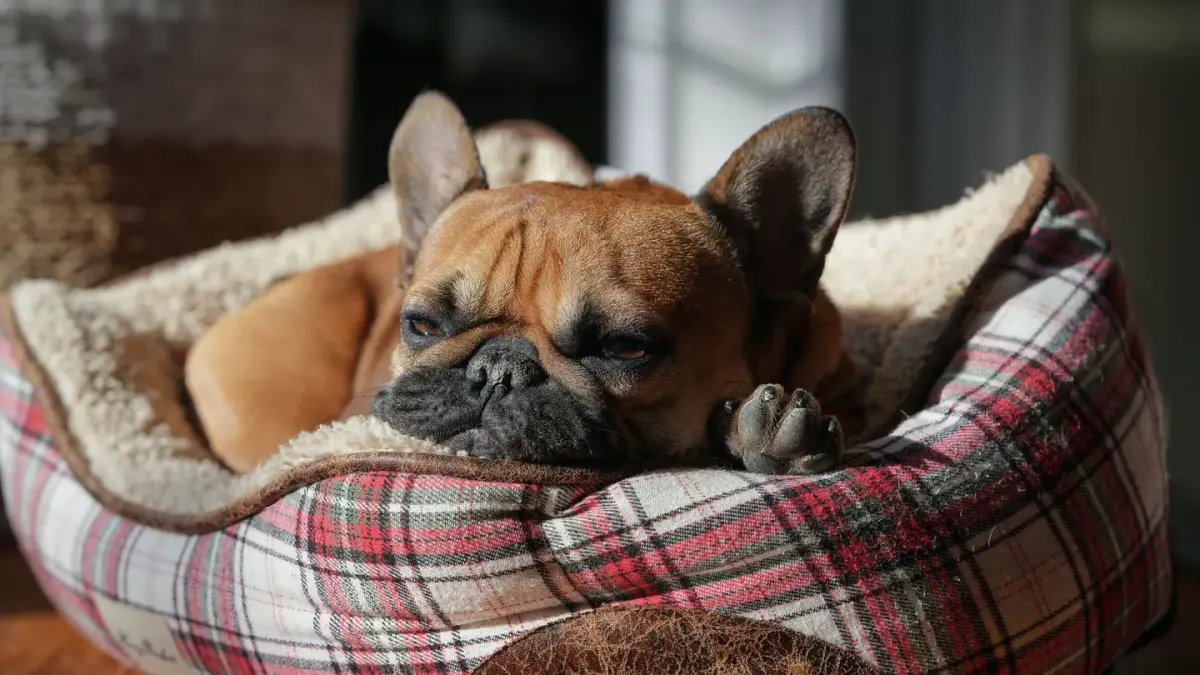
Is three days of loose stool still just an upset stomach, or has it become something else? Day one can be diet, stress, or scavenging. By day three, the gut has not reset itself, and continued fluid loss and irritation raise the risk of dehydration and weight loss. My check is simple: note energy, appetite, water intake, and stool details, then call your clinic that day.
Why three days changes my advice
A single soft stool often follows a sudden food change, fatty table scraps, garbage, new treats, stress from boarding or travel, or a mild intestinal upset. The intestines usually settle within 24 to 48 hours once the trigger passes and meals return to normal.
When diarrhea lasts three days, I think about causes that do not clear on their own: intestinal parasites, bacterial overgrowth, viral infection in unvaccinated puppies, dietary intolerance, inflammatory bowel disease, pancreatitis after fatty foods, foreign material, toxin exposure, liver or kidney disease, or medication effects.
Age matters here. Puppies, seniors, and small breeds dehydrate faster. If you also track senior changes, my article on How Old Does a Dog Have to Be Before Signs of Aging Typically Start? can help you separate a new gut problem from a broader aging pattern.
Run this three-step check today
- Look at the whole dog. Is he drinking, eating at least part of meals, urinating normally, and still interested in walks? Lethargy, refusal to drink, repeated vomiting, belly pain, or straining with no stool are escalation signs.
- Look at the stool. Note frequency, volume, urgency at night, mucus, black tarry color, bright red blood, greasy appearance, or a very foul smell. Take a clear photo and save a fresh sample in a sealed bag for the clinic.
- Look at the last 72 hours. List every food, treat, chew, table scrap, trash raid, new supplement, medication, boarding stay, lake or puddle drink, and sick-dog contact. Bring vaccine and deworming history.
If your dog is bright, drinking, and eating, that history still helps the vet choose fecal testing, bloodwork, or imaging without guessing. If he is dull, vomiting, painful, or passing bloody or black stool, treat it as urgent and call now.
What stops home care at day three
Bland chicken and rice, pumpkin fiber, and probiotics get a lot of attention online. A balanced gut microbiome supports overall immune function, and pumpkin fiber is a gentle, natural source of both soluble and insoluble fiber, but neither can diagnose parasites, infection, blockage, or organ disease.
The other problem is cycling. Owners often try one bland diet for a day, then fast, then add pumpkin, then try a new probiotic, and lose three more days. During that time the dog keeps losing fluid and electrolytes, and puppies can fade quickly. The VCA Hospitals overview of diarrhea in dogs advises veterinary evaluation when diarrhea persists, contains blood, or comes with vomiting, lethargy, or loss of appetite.
Gut health is a whole-dog story: diet, stress, and routine all feed it. Keep water available, keep meals simple until you get advice, and do not add multiple new powders or chews while you wait. If you want background on daily routine and enrichment during recovery, see How to Keep an Aging Dog’s Brain Active and Engaged.
What to tell the clinic
Call with specifics: when it started, how many episodes per day, last normal stool, diet and extras eaten, vomiting, appetite, thirst, energy, weight change, blood or mucus, recent travel, and any medications. Ask whether to bring a stool sample and whether to withhold food before bloodwork.
At the visit, expect a physical exam, fecal test for parasites, and often bloodwork. Imaging or diet trials come next if the first steps do not explain it. Write down the feeding plan and recheck date before you leave.
Watch for the sign that should change your next action: stool that firms for one meal and then returns to watery, more frequent, bloody, or paired with vomiting or lethargy means home care has failed. That pattern means follow-up, not another home remedy.
Frequently asked questions
Can I wait one more day if my dog acts normal with 3 days of diarrhea?
I would not. A bright attitude is reassuring, but three days of persistent diarrhea still deserves a vet call for fecal testing and guidance.
What stool details help the vet most?
Frequency, urgency, volume, color, blood or mucus, smell change, plus appetite, thirst, vomiting, and everything eaten in the past 72 hours.
Should I keep feeding bland chicken and rice until the appointment?
Keep meals simple, offer fresh water, and avoid adding new treats or supplements. Ask your clinic what to feed before the visit.
Sources
- Diarrhea in Dogs — VCA Hospitals