Soft, loose eye closing during a favorite scratch usually means comfort, but squinting that stays after you stop touching needs a vet check.
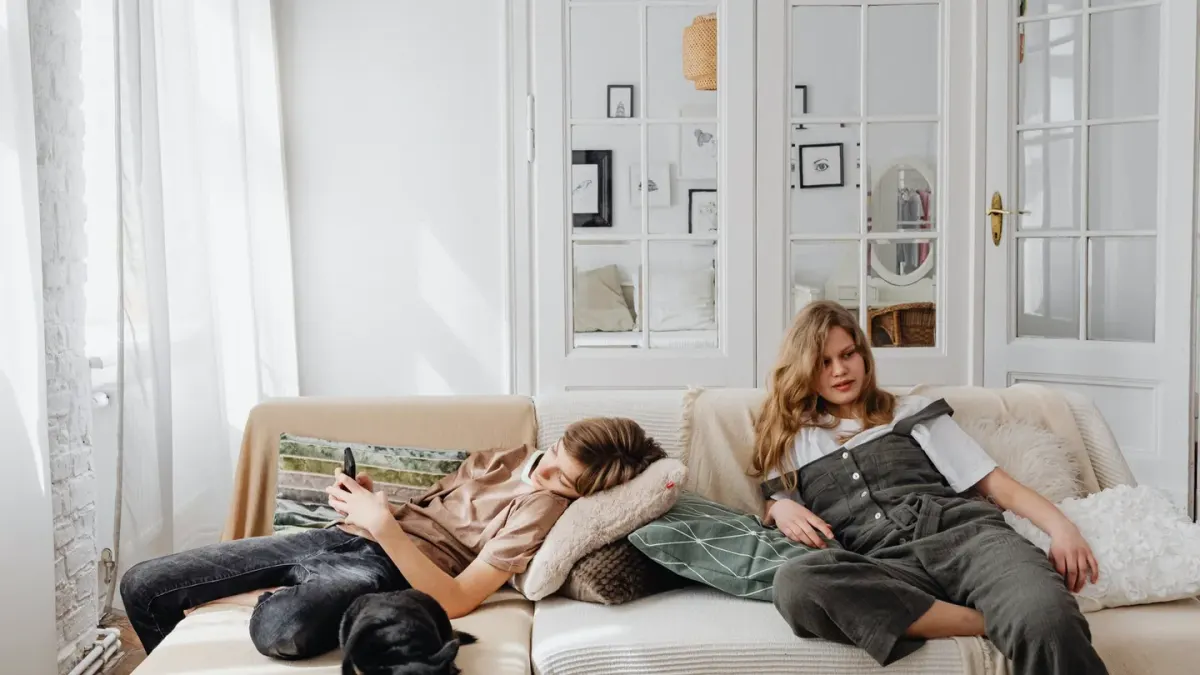
Does your dog melt and close both eyes when you hit the right scratch spot. That soft blink is most often a comfort signal, not a vision problem.
Dogs use small facial changes to show how they feel. Relaxed eye-closing, loose lips, and a still body during gentle petting point to enjoyment. The American Kennel Club describes soft eyes and loose posture as part of relaxed, friendly canine body language.
Think of comfort eye-closing as even and brief. Both eyes narrow together. Ears stay neutral. Breathing stays slow. Your dog may lean in or nudge your hand for more.
What relaxed eye closing looks like
Comfort has a pattern. It starts when touch starts and stops when touch stops. Common triggers are chest rubs, ear scratches, and slow strokes along the neck.
Watch the whole face. A comfortable dog often shows a soft forehead, slightly open mouth, and no tension around the muzzle. Some dogs sigh or rest their chin down. That cluster matters more than eyes alone.
Katherine noticed this with Wallie, her 8-year-old neutered male Greyhound mix in Fresno. He closed his eyes only during calm ear rubs on the sofa, then opened them and stayed loose when she paused. The timing told the story.
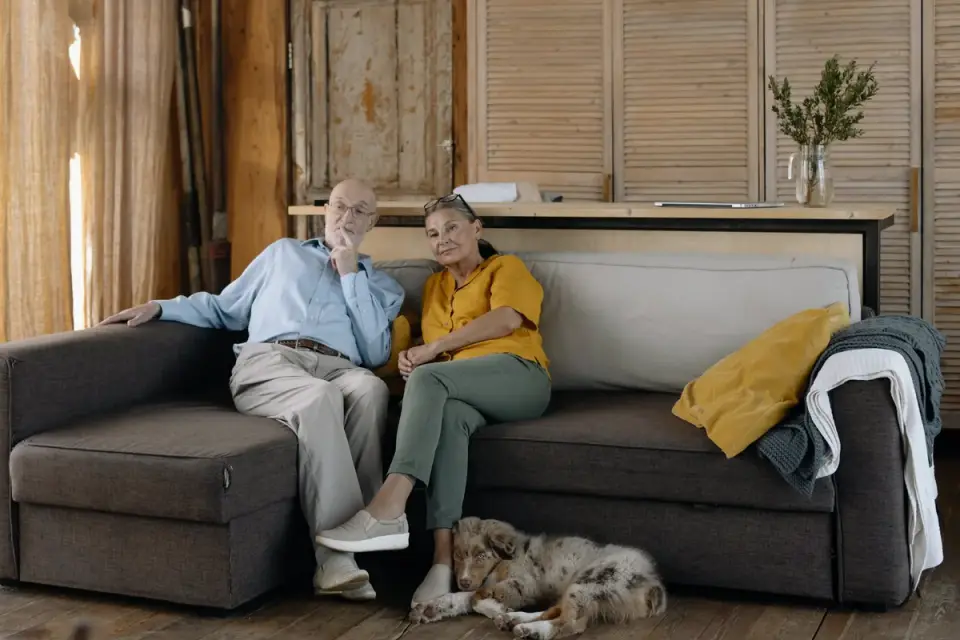
Trust and learned association play a role too. Dogs that feel safe with handling often relax faster with familiar people. Older dogs may do this more during quiet rest, which fits what many owners see at bedtime. For calm enrichment ideas, see How to Keep an Aging Dog’s Brain Active and Engaged.
When squinting is not about petting
Pain squinting looks different. One eye may stay half-closed. The dog may paw at the face, tear more, avoid light, or turn away from touch. Redness, cloudiness, swelling, discharge, or a third eyelid showing are warning signs.
Eye pain can come from irritation, allergy, scratch, infection, or inflammation inside the eye. VCA Hospitals notes that uveitis in dogs can cause squinting, tearing, redness, and light sensitivity, and needs prompt veterinary care.
Do a quick timing test. Pet for three seconds, then stop. Comfort eye-closing fades and the dog looks normal. Medical squinting stays. It may show without touch, after walks in dust or wind, or alongside rubbing the face on furniture.
Age-related change is another reason to stay observant. Senior dogs can develop eye and comfort shifts slowly. If you are tracking aging signs, How Old Does a Dog Have to Be Before Signs of Aging Typically Start? can help you set a baseline.
The three-step check you can do today
Use this short sequence before you assume enjoyment.
First, pause and watch. Stop petting for 10 seconds. Do both eyes open fully and stay even. Normal opening points to comfort.
Second, look closely without touching the eye. Check for redness, tearing, discharge, swelling, held-shut lids, or bumping into objects. Check both sides in good light.
Third, test another spot. Offer a chin scratch instead of head pats. A comfortable dog stays loose or asks for more. A painful or fearful dog moves away, freezes, lip-licks, yawns repeatedly, or pins ears back.
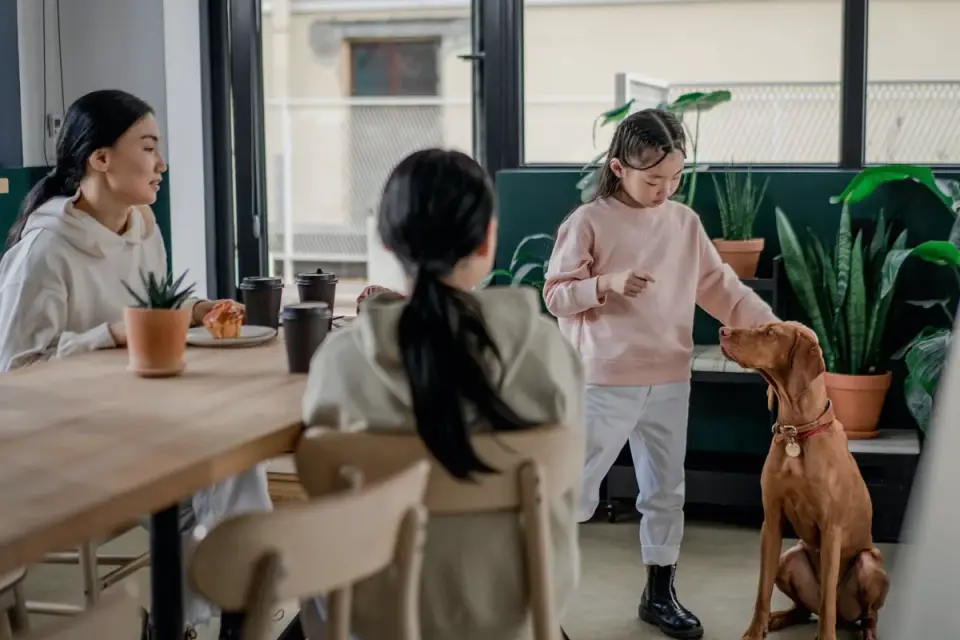
Call your veterinarian the same day for a squint that persists without petting, any eye injury, sudden swelling, green or yellow discharge, cloudy color change, or vision trouble. Bring notes on which eye, when it started, and what changed. That detail speeds the exam.
Keep petting gentle while you watch. Slow strokes beat hard pats. Let your dog approach and stop when your dog moves away. If eyes stay soft, open normally between pets, and no redness or discharge appears, enjoy the moment.
Frequently asked questions
Why does my dog close eyes when I pet their head?
Soft closing of both eyes during gentle touch usually signals relaxation. If your dog ducks, freezes, or keeps one eye shut after you stop, pause and check for pain or fear.
Is squinting in one eye an emergency?
It can be. A persistent one-eyed squint with redness, tearing, discharge, swelling, or light sensitivity needs same-day veterinary care, especially after trauma or a possible scratch.
Sources
- Dog Body Language: Understanding Canine Communication Signals — American Kennel Club
- Eye Inflammation (Uveitis) in Dogs — VCA Hospitals