Puppies need the 5-in-1 every three to four weeks from six weeks until at least sixteen weeks old.
Does your puppy still need another shot after the first one went fine. Yes, and that next date matters more than the first.
The 5-in-1 is not one-and-done protection. It is a series that builds immunity in layers. Think of each visit as closing a window when maternal antibodies fade and deadly viruses can slip in.
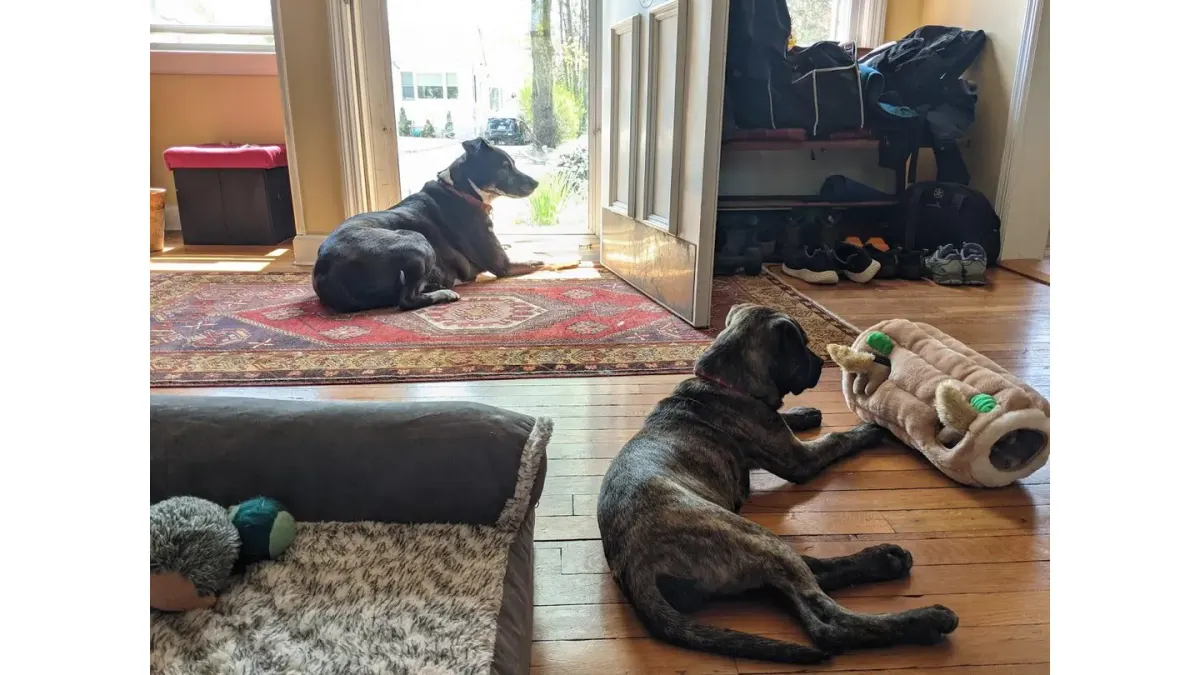
Annette in Fort Worth asked me this with Kodi, her 3-month-old intact male Pit Bull Terrier. He had one shot at six weeks and looked healthy. We set the next boosters on the calendar before she left, because healthy today does not mean protected tomorrow.
What the 5-in-1 covers in plain language
The 5-in-1 is usually called DA2PP or DHPP. Different makers swap letters, but the five parts stay consistent.
It protects against canine distemper virus, two types of adenovirus that cause hepatitis and kennel cough, parainfluenza, and parvovirus. Parvo and distemper do the most harm to puppies. They spread through feces, nasal discharge, shared bowls, and contaminated soil or sidewalks.
The AVMA lists distemper, adenovirus, parvovirus, and parainfluenza among the core protections most puppies need. That core status is why your vet starts this series early and repeats it.
The booster timing that makes the series work
Start around six to eight weeks old. Give a booster every three to four weeks until the puppy is at least sixteen weeks old. Most puppies get three to four doses total.
That repeat timing is not padding. Maternal antibodies from the mother can block a young puppy’s response to a vaccine. We cannot see from the outside when that block fades. Spaced boosters make sure one dose lands after it drops. The Merck Veterinary Manual describes this same puppy schedule of early doses with repeat boosters through sixteen weeks, followed by a booster at one year.
Use this three-step check at each visit:
- Check the date. Is it three to four weeks since the last 5-in-1. If you are late by a week, call now and ask if you need to restart the spacing.
- Check exposure. Until the series is done, keep paws off dog parks, pet store floors, and unknown dog stool. Carry small puppies in waiting rooms.
- Check the record. Ask for the sticker or lot number, the date, and the next due date in writing. Take a photo of it.
If your puppy started late, at ten or twelve weeks, your vet will still space two to three doses to reach sixteen weeks or beyond. Keep the interval. Do not stack doses closer to catch up without veterinary direction.
Learn how everyday routines shape risk in Why Recurrent Paw Licking and Itching Need a Multimodal Allergy Plan and how to read stress signals in a new place in Why a Startled Chihuahua’s “Help, Help” Reaction Is Actually Normal.
After the shot: normal soreness and red flags
Mild sleepiness, low appetite for a day, and a small tender lump at the injection site are common. They usually fade in 24 to 48 hours. Offer water, a quiet resting spot, and a light walk instead of rough play.
Contact your veterinarian the same day for facial swelling, vomiting or diarrhea that repeats, hives, trouble breathing, or a puppy that will not get up. Those signs point to an allergic reaction or another illness that needs hands-on care. Bring the vaccine record so the team knows what was given and when.
After sixteen weeks, ask about the one-year booster and rabies timing for your state. Then watch the observable sign that tells you the window closed: a completed series on paper, with the final 5-in-1 given at or after sixteen weeks and a next due date set.
Frequently asked questions
How many 5-in-1 shots does a puppy need?
Most puppies need three to four doses, spaced three to four weeks apart, with the last dose at or after sixteen weeks. Your vet sets the exact count based on age at the first visit and local risk.
What happens if we miss a booster date?
Call your clinic right away. A short delay often means giving the next dose as soon as possible, but a long gap may change the plan. Do not restart on your own.
Can my puppy meet other dogs before the series is done?
Keep contact to healthy, fully vaccinated dogs in clean homes or yards. Avoid dog parks, unknown stool, and high-traffic pet floors until your vet clears wider socialization.
Sources
- Canine Vaccinations — AVMA
- Routine Health Care of Dogs — Merck Veterinary Manual