Dog types make more sense once you match each group to exercise and training needs.
What was this dog bred to do all day? That question answers more than how big will it get or whether it sheds. The seven kennel-club groups are job descriptions, not looks categories. The American Kennel Club organizes breeds by original function, and function shapes stamina, independence, vocal behavior, and how quickly a dog gets bored without work.
I use that job lens first because size misleads owners. A compact terrier can need more daily intensity than a giant mastiff-type. If we tested this against long-term activity-tracker and behavior data by group, I would update my view. Right now the pattern from breed history and behavior literature is consistent enough to use.
Why the job predicts the day better than size
Selection for work changed both body and brain. Endurance, scent processing, guarding tendency, and responsiveness to cues were rewarded for generations.
That is why the Merck Veterinary Manual describes normal dog social behavior as a mix of genetics, early learning, and current context. Breed shifts the starting point. Training and environment set the rest.
Short paragraph to hold onto: pick for lifestyle fit, then train for the individual.
The 7 types in plain owner language
1. Sporting. Bred to find and retrieve birds and stay active for hours with people. Expect high exercise needs, mouthy play, and strong food and fetch drive. Plan on 60-plus minutes of aerobic exercise plus retrieval or scent games.
2. Hound. Bred to chase by sight or follow scent over distance. Expect stamina, loud voice, and selective recall when a trail takes over. A long line, fenced sniff walks, and nose work are safer than off-leash freedom.
3. Working. Bred to guard, pull, or rescue. Expect strength, territorial awareness, and slower maturation. Early handling, loose-leash skills, and a job like carrying a pack or structured obedience fit well.
4. Terrier. Bred to find and dispatch vermin on their own. Expect quick reactions, digging and chasing, and confidence with other animals. Short, sharp training sessions and controlled chase outlets help.
5. Toy. Bred for companionship. Expect close bonding, lower exercise needs, and higher risk of chill and dental crowding. The training need is real, just smaller in scale. House-training, barking at sounds, and safe handling matter most.
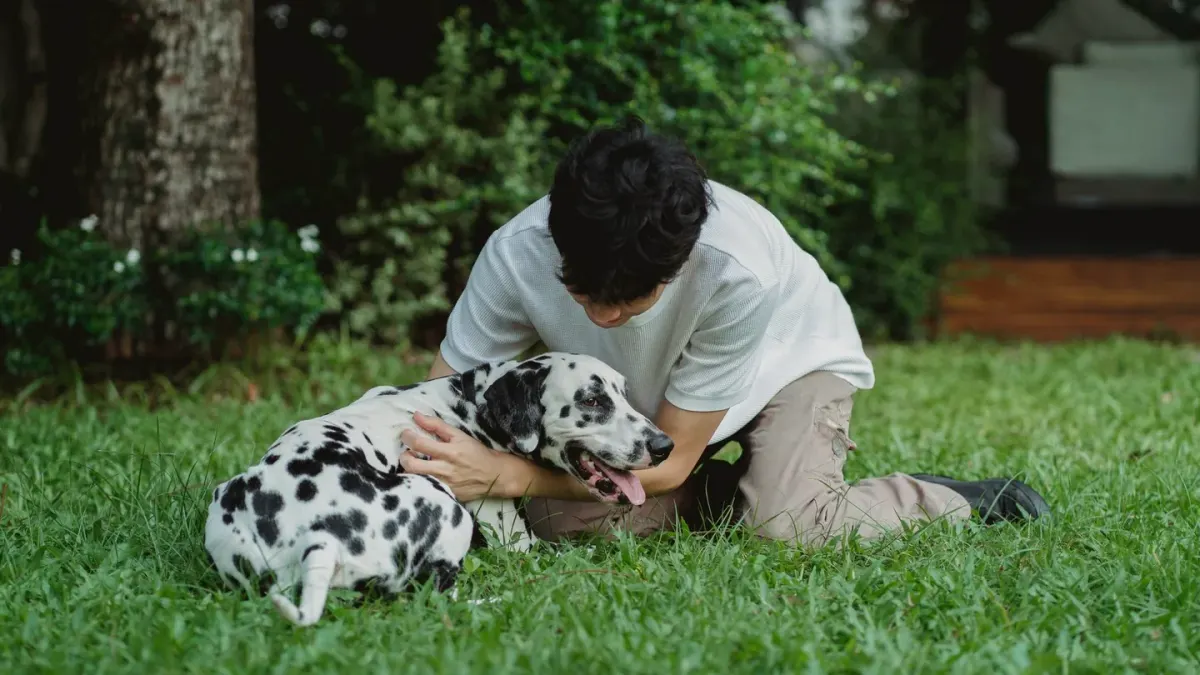
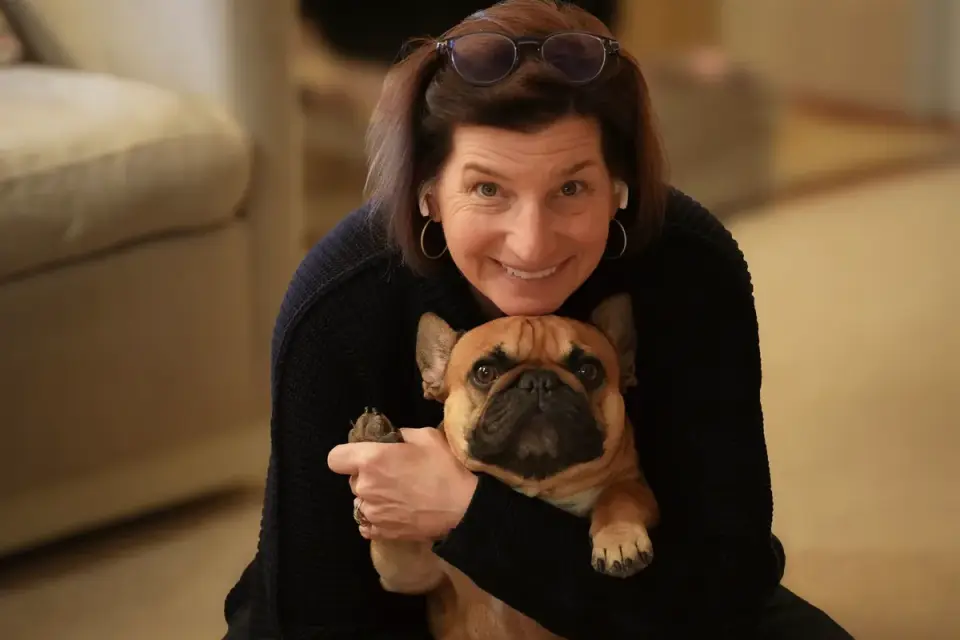
6. Non-sporting. A mixed group of companion and utility breeds with different histories. Expect variety. Read the individual breed rather than the label. Dalmatians differ sharply from French Bulldogs in stamina and heat tolerance.
7. Herding. Bred to control livestock movement. Expect motion sensitivity, nipping at heels, staring, and high trainability. Without direction that herding loop lands on kids, bikes, or other dogs. Daily training plus a start-stop game works better than running alone.
Vets often see the mismatch when exercise does not match group. Brandi in Fort Lauderdale worried her 8-year-old neutered Pit Bull Terrier, Leopold, paced and mouthed the leash after two short block walks. Adding 20 minutes of tug-and-drop practice plus two 10-minute sniff sessions over three weeks gave him a clearer off switch at night. The breed label did not change. The daily job did.
A three-step check before you choose
Use this when you like a look but live a certain life.
1. Energy: Can you meet the group median most days, not just weekends? Sporting, hound, terrier, and herding types need daily aerobic time. Toy and many non-sporting types do well with shorter walks and play.
2. Training style: Do you want a partner or an independent problem-solver? Sporting and herding dogs usually want coaching. Hounds, terriers, and many working dogs ask for patience, high-value rewards, and management.
3. House fit: Track barking, alone time, and space for three days. Hounds and terriers vocalize more. Working and herding dogs guard and stare. If your walls are thin or you are gone 10 hours, that matters more than coat color.
That same check helps current owners too. If you are seeing arousal signals, review how to read the difference between growling and smiling, keep greetings low-pressure like this family introduction approach, and remember that small-dog appetite quirks are common under stress, as in why small dogs refuse hospital food.
Contact your veterinarian when behavior shifts fast, when exercise triggers coughing, limping, or collapse, or when anxiety, aggression, or house-soiling persists beyond two weeks. Group tells you the tendency. A medical exam tells you what changed.
Fit the job to your day, then train the dog in front of you.
Frequently asked questions
What are the 7 types of dog?
U.S. kennel-club groups are sporting, hound, working, terrier, toy, non-sporting, and herding. Each describes the work the breed was selected to do.
Does breed group guarantee behavior?
No. Group shifts the odds for energy, vocal behavior, and trainability, but learning, health, age, and environment shape the individual dog.
Which group is best for first-time owners?
Many toy and lower-energy non-sporting breeds fit first-time schedules best. High-drive sporting, herding, and terrier types need more time for exercise and training.
Sources
- Dog Breeds & Groups — American Kennel Club
- Social Behavior of Dogs — Merck Veterinary Manual