For canine cognitive dysfunction, steady sleep routines and early vet checks ease nights when confusion is still mild.
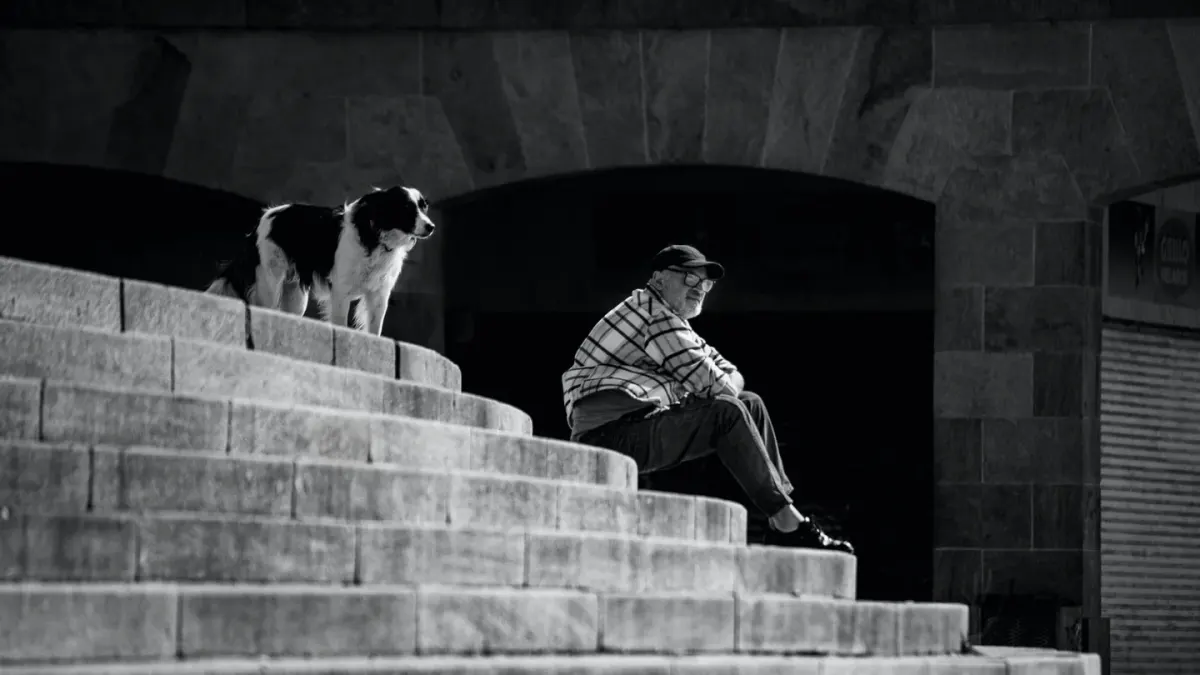
Is your older dog awake at 2 a.m. while the house sleeps? That broken sleep is often the first clue to canine cognitive dysfunction, not stubborn behavior.
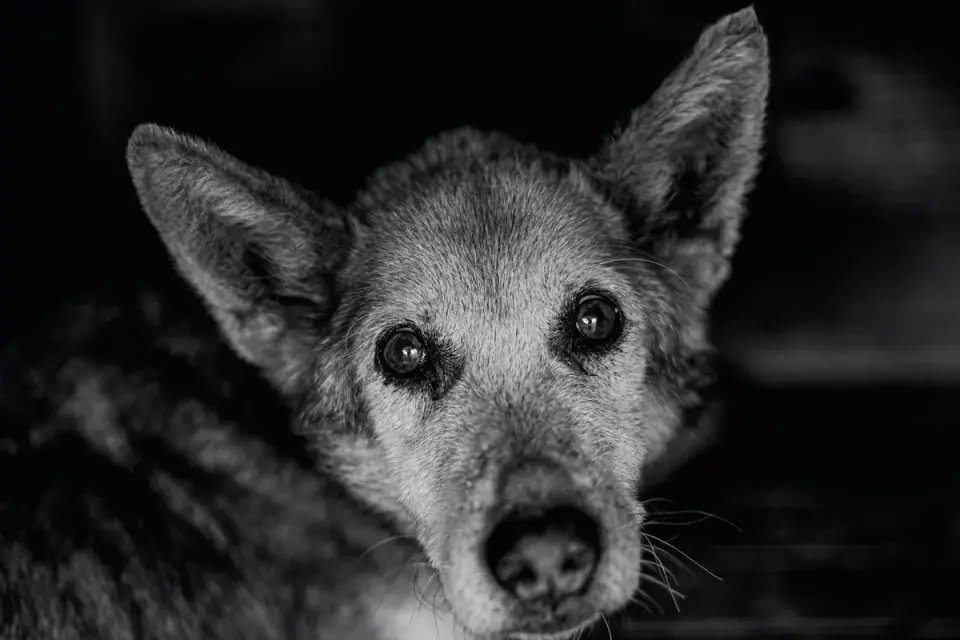
Dogs with early confusion still eat, walk, and greet you. The change shows in small mismatches. A dog stands at the wrong side of a door. A cue he knew for years takes longer. He follows you room to room, then seems lost in a hallway. Owners often call this normal aging, and that delay makes nights harder.
What daytime confusion actually looks like
describes this same pattern as reduced interaction, disorientation, sleep changes, and house-training loss in senior dogs.
Watch one ordinary day. Does he stare at walls or get stuck behind furniture. Does he greet less, or startle when touched. Does he ask to go out, then stand on the porch unsure. One sign means watch and record. Two or three signs that persist for two weeks mean call your clinic. Dogs entering senior years change in several systems at once, which is why How to Tell Your Dog Is Entering Its Senior Years helps separate age-related slowing from new confusion.
Michael noticed this with Coquito, his 9-year-old neutered male Standard Schnauzer in High Point, North Carolina. Coquito still played in the yard. At night he paced from bed to water bowl, whined softly, and needed to go out twice. The daytime clue was quieter: he waited at the hinge side of doors.
Why the night falls apart first
Aging brains handle less novelty and fragmented sleep. Daylight gives structure: light, walks, meals, voices. At night those cues drop away. Pain, need to urinate, thirst, or poor vision then tip a groggy dog into pacing, vocalizing, or shadowing you to the bathroom.
This is where owners get stuck. We shared nighttime trips outside when our older dog stopped waking herself is a common story, and it blurs the line between need and confusion. Track it. Note bedtime, wake times, whether he urinates, drinks, paces, or settles after five minutes outside. Video one episode. That log helps your veterinarian rule out urinary infection, kidney disease, arthritis pain, vision loss, and medication effects before landing on cognition. Balance trouble needs the same rule-out first, as explained in Why a Senior Dog Is Stumbling or Losing Her Balance.
Morris Animal Foundation notes that canine cognitive dysfunction involves progressive brain change and that early veterinary evaluation matters because other medical causes can look similar.
Three steadying moves to try this week
Use this three-step check for seven nights.
- Anchor day and night. Same wake time, same short morning walk, same feeding times. Dim lights an hour before bed. Offer a brief potty trip, then a small bedtime snack if your vet allows it. Keep the bed in the same spot, with a night-light and non-slip path to water and door.
- Protect sleep without adding risk. White noise low. No late-day naps longer than 30 minutes. Keep evening play calm. Ask your vet before adding any calming supplement, antihistamine, or sleep aid, especially if your dog takes heart, blood pressure, seizure, or anxiety medication.
- Make the house easier to read. Food and water in the same place. One clear sleeping area. Block gaps behind furniture where dogs get wedged. Use scent and touch cues for a dog whose hearing or vision is fading, a shift many owners notice alongside temperature sensitivity in Why a Senior Dog Seems More Sensitive to Heat or Cold Now.

When to move the vet visit sooner
Call promptly if pacing turns into nightly vocalizing, house-soiling in a previously clean dog, getting stuck in corners, snapping when startled, or daytime withdrawal. Bring your sleep log, diet and treat list, all medications and supplements, and video. Expect a physical and neurologic exam, blood and urine tests, blood pressure check, and pain assessment. There is no single at-home test for canine cognitive dysfunction. Diagnosis rests on pattern plus rule-outs.
If nights stay broken after a week of steady routine, or any new sign appears — falling, head tilt, sudden blindness, increased thirst and urination, or loss of appetite — contact your veterinarian that day. Early structure calms many dogs, and early medical review catches the problems that mimic confusion.
Frequently asked questions
Is nighttime pacing always canine cognitive dysfunction?
No. Pain, urinary infection, kidney disease, vision loss, anxiety, and some medications can cause night waking. Track what happens each night and ask your vet to rule out medical causes first.
What should I record before calling the clinic?
Bedtime, wake times, pacing or vocalizing, urination or drinking, how long settling takes, daytime disorientation, appetite, and all medications and supplements. One short video of an episode helps.
Do routines really help a confused senior dog?
Consistent wake times, meals, walks, lighting, and sleeping spots reduce novelty and support sleep. They do not reverse brain change, but many dogs settle faster when days are predictable.
Sources
- Canine Cognitive Dysfunction — Morris Animal Foundation