Bad breath is not normal dog breath, and these seven missed signs tell you when a dental check matters.
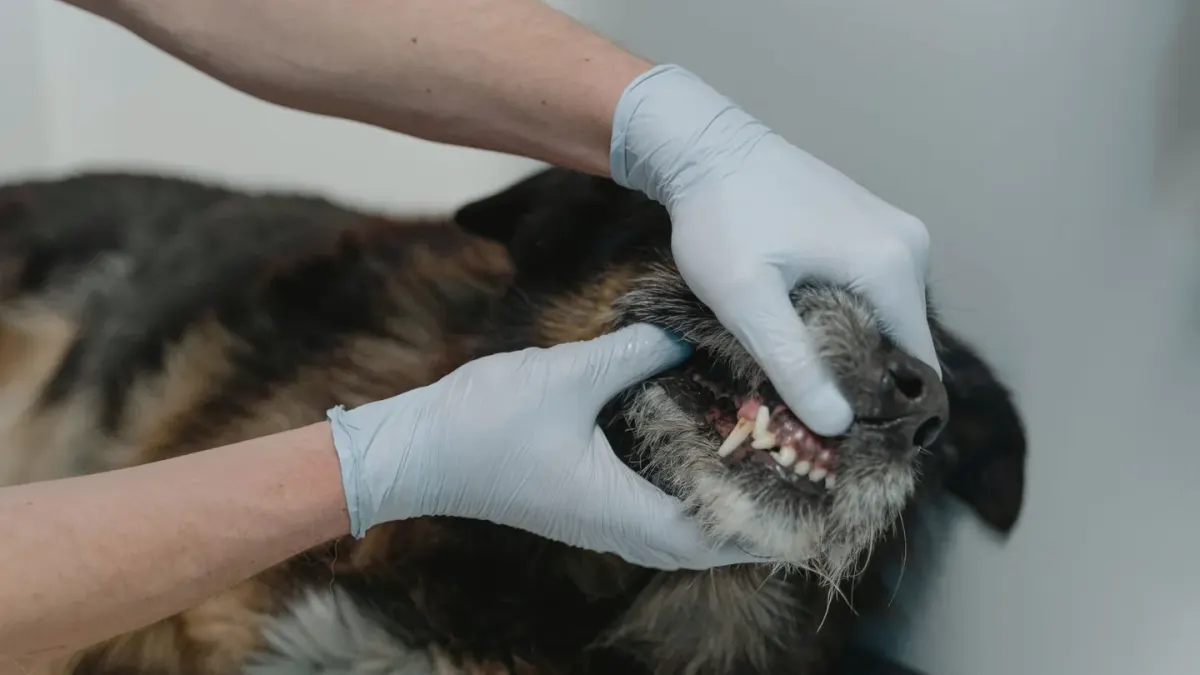
Does your dog turn away from a chew they used to love, then eat dinner like nothing is wrong. That start-and-stop pattern is common with mouth pain.
Dogs rarely cry about teeth. They adjust. They swallow kibble whole. They chew on the other side. They let bad breath pass as normal. By the time an owner sees a swollen face or a broken tooth, the problem has often been building for months.
Think smell, eating, and mouth behavior. That three-part check catches most dental problems in dogs symptoms owners miss.
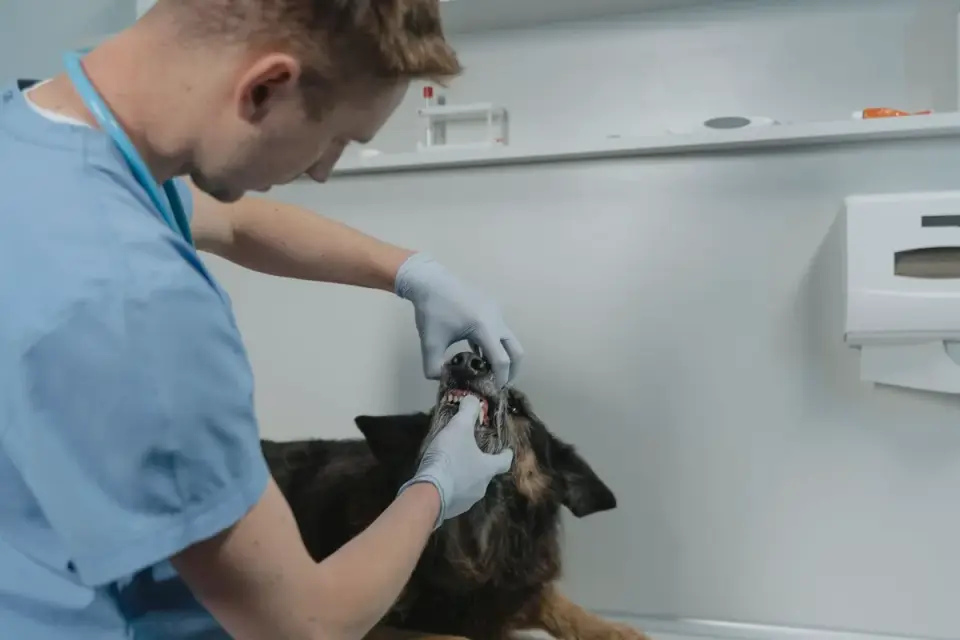
1. Bad breath that stays bad
Mild food breath fades. Persistent sour, fishy, or rotten odor does not. Plaque and gum infection are the usual reason, and VCA Hospitals notes that periodontal disease is the most common dental condition in adult dogs.
Do this today. Smell near the muzzle once, then lift the lip for five seconds. Yellow-brown tartar along the upper canines and premolars plus red edges at the gumline means schedule a dental check. Bleeding, pus, or a loose tooth means call sooner.
2. Eating slower or on one side
Watch the bowl, not just whether the bowl empties. Dogs with a sore tooth will tilt the head, drop kibble, chew and pause, or move food to one side. Some switch to soft food only. Some stop taking hard treats.
Harlow, a 5-year-old spayed female Whippet, did this at home in Huntsville. Her owner Clayton noticed she would pick up a biscuit, drop it, then eat it from the floor on the other side. That change in pickup pattern was the clue that brought her in.
Older dogs need the same watch. Appetite shifts can have many causes, and age changes what is normal, as I explain in How Old Does a Dog Have to Be Before Signs of Aging Typically Start?. Track what changed and for how long.
3. Drooling, pawing, or face rubbing
New drool in a dog that was not a drooler matters. So does pawing at the mouth, rubbing the muzzle on carpet, or flinching when you touch the cheek. Blood-tinged saliva on a toy is another flag.
Check the gums in daylight. Healthy gums look pink and flat. Bright red, puffy, receding, or bleeding gums point to inflammation. A pink growth, an ulcer that does not heal in a week, or a cracked tooth needs a veterinary visit. The American Veterinary Medical Association recommends regular dental exams because owners cannot see below the gumline at home.
4. Sneezing, nasal discharge, or swelling
Upper canine and premolar roots sit close to the nasal cavity. An abscessed upper tooth can cause one-sided sneezing, bloody nasal discharge, a swollen muzzle, or a draining spot under the eye.
This is not a wait-and-see symptom. Facial swelling, a closed eye, lethargy, or refusal to eat means contact a veterinarian that day. A tooth-root abscess will not resolve with brushing or rinses.
5. Behavior changes owners blame on age
Less play with tug toys. Less interest in fetch. More head shyness. Going quiet after chewing. Many owners read this as getting older.
Pain changes behavior first. I hear the same line often: I was surprised by how much happier my older dog seemed after dental care. Keep enrichment going, and keep it gentle while you wait for the appointment. Short sniff walks and soft puzzle feeders help, similar to what I suggest in How to Keep an Aging Dog’s Brain Active and Engaged.
Your three-step check this week
Keep it short and calm. Stop if the dog pulls away.
- Smell and look. Note breath odor, tartar color, and gum color on both sides.
- Watch a meal. Note speed, head tilt, dropping food, or chewing on one side.
- Touch gently. Stroke along each cheek. Note flinching, swelling, or pawing.
Write down what you see for three days. That log helps the clinic decide between a routine cleaning, dental X-rays, or an earlier workup.
Contact your veterinarian if you see persistent bad breath with red gums, bleeding, drooling blood, loose or broken teeth, facial swelling, nasal discharge, or refusal to eat hard food. Those signs should change your next action from home monitoring to a clinic call.
Frequently asked questions
Is bad breath normal in dogs?
Mild food odor fades quickly. Breath that smells sour, fishy, or rotten every day, especially with tartar or red gums, points to periodontal disease and deserves a veterinary dental check.
Can I tell if my dog has a toothache at home?
Look for eating on one side, dropping food, new drool, pawing at the mouth, flinching when the cheek is touched, or avoiding hard chews. A three-day log of those signs helps your vet decide next steps.
When is a dental symptom urgent?
Contact a veterinarian promptly for facial swelling, a draining sore under the eye, bleeding that does not stop, a broken or loose tooth, refusal to eat, lethargy, or one-sided bloody nasal discharge.
Sources
- Dental Disease in Dogs — VCA Hospitals
- Pet Dental Care — American Veterinary Medical Association