Choose 1 inch for necks under 14 inches and 1.5 inch for larger, stronger dogs that pull.
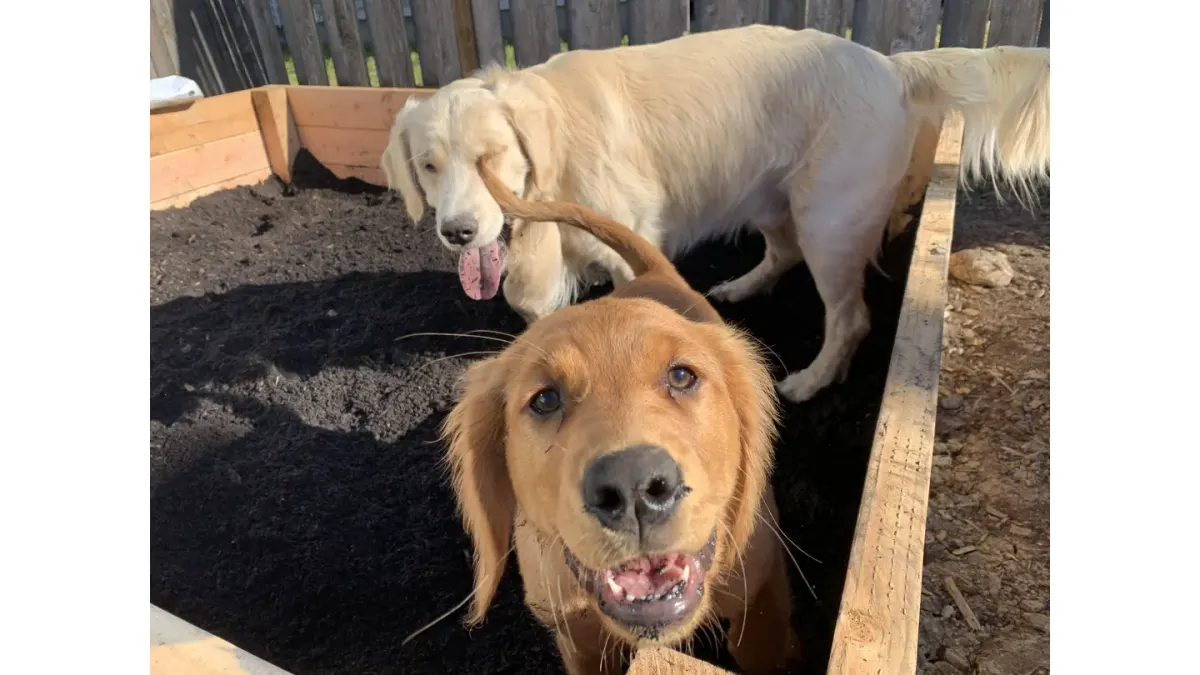
| Product | Vet rating | Best for | Pros & cons |
|---|---|---|---|
| Ruffwear Crag Collar Ruffwear | 9/10 | large active dogs |
|
| LupinePet Original Design Martingale LupinePet | 9/10 | dogs that slip collars |
|
| Blue-9 Balance Harness Buckle Neck Blue-9 | 8½/10 | pullers and cough-prone dogs |
|
Does the collar leave a red line or slide around after a walk. That mark tells you most of what you need to know before you choose between widths. A 1 inch collar suits most small and medium dogs. A 1.5 inch collar suits large, long-necked, or strong-pulling dogs because the wider band spreads pressure over more skin.
How width changes fit and pressure
Width is not style. It changes how force spreads across the trachea, skin, and coat. The American Kennel Club advises checking collar fit with two fingers under the band, and that check matters more as width increases. A wide collar that is too tight traps moisture and rubs. A narrow collar that is too loose concentrates pull on a thin line.
| Feature | 1-Inch Collar | 1.5-Inch Collar |
|---|---|---|
| Best neck size | About 10 to 16 inches | About 14 to 22 inches |
| Best weight range | Small to medium dogs, about 10 to 50 pounds | Medium to large dogs, about 40 to 90+ pounds |
| Pressure spread | Narrow band, more focal pressure when pulling | Wider band, spreads leash pressure |
| Coat effect | Less matting on thin coats | Can flatten thick fur, but less cutting in |
| Safety note | Easier slip-out risk in large strong dogs | More support for strong pullers, check edges for rubbing |
If your dog coughs, gags, or honks on leash, read What Does Collapsed Trachea in Dogs Sound Like? and How Is Collapsed Trachea in Dogs Treated?. Those signs mean a veterinary visit is the safer next step rather than a wider collar alone.
A three-step check you can do today
Measure, fit, then watch the skin.
- Measure around the middle of the neck with a soft tape. Add two fingers of space.
- Fit flat with no twisting. The University of Florida College of Veterinary Medicine client resources stress flat, clean equipment and regular skin checks, which is good practice under any collar.
- Walk and recheck. Look for hair loss, redness, odor, or scratching under the band.
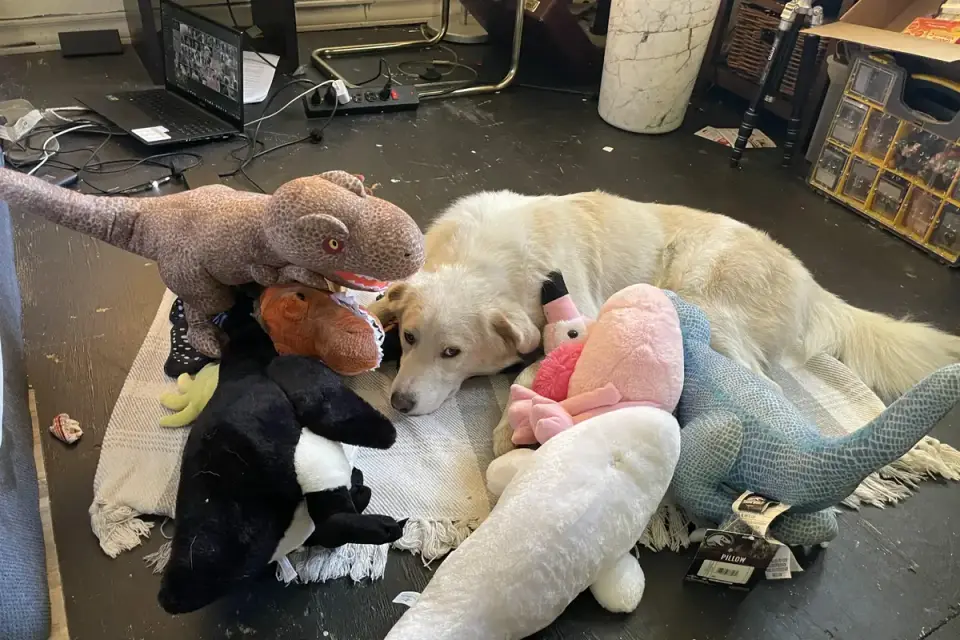
Perla, a 4-year-old spayed female Puggle mix, shows why this matters. Her owner Debra in Reno noticed a pink crease after switching to a wider band for pulling. The neck measured in the middle range. We kept the narrower width for daily wear and moved pulling work to a well-fitted harness until a clinic recheck.
When I recommend the wider band
Pick 1.5 inch when the dog weighs over about 40 pounds, has a long neck like a Greyhound or Doberman type, pulls hard, or slips narrow collars. Pick 1 inch when the dog is under about 40 pounds, has a delicate neck or thin coat, or shows rubbing from wider edges. For toy breeds and dogs with chronic cough, a harness for walks often protects the airway better. See Collapsed Trachea in Dogs: How Long Can They Live? for why repeated neck pressure deserves attention.

Change the plan if you see persistent redness, flaking, broken hair, raw spots, coughing, or pawing at the collar. Remove the collar for rest time, keep the skin clean and dry, and contact your veterinarian if irritation lasts more than a day or the cough continues.
Frequently asked questions
Will a 1.5 inch collar stop pulling?
No. It spreads pressure and can be more secure on large dogs, but training and a harness address pulling. Persistent gagging or coughing needs a vet visit.
How tight should either width be?
Snug enough that two fingers fit flat underneath, with no twisting or hanging loop that catches a jaw or fence.
Can a small dog wear a 1.5 inch collar?
Most small dogs do better in 1 inch. A wide band can rub the jaw, trap moisture, and feel stiff on necks under about 14 inches.
Sources
- How to Fit a Dog Collar — American Kennel Club
- Small Animal Hospital – Collar Fit and Safety — University of Florida College of Veterinary Medicine