Dog pheromones may ease stress-related peeing, but vet check and retraining fix indoor accidents faster.
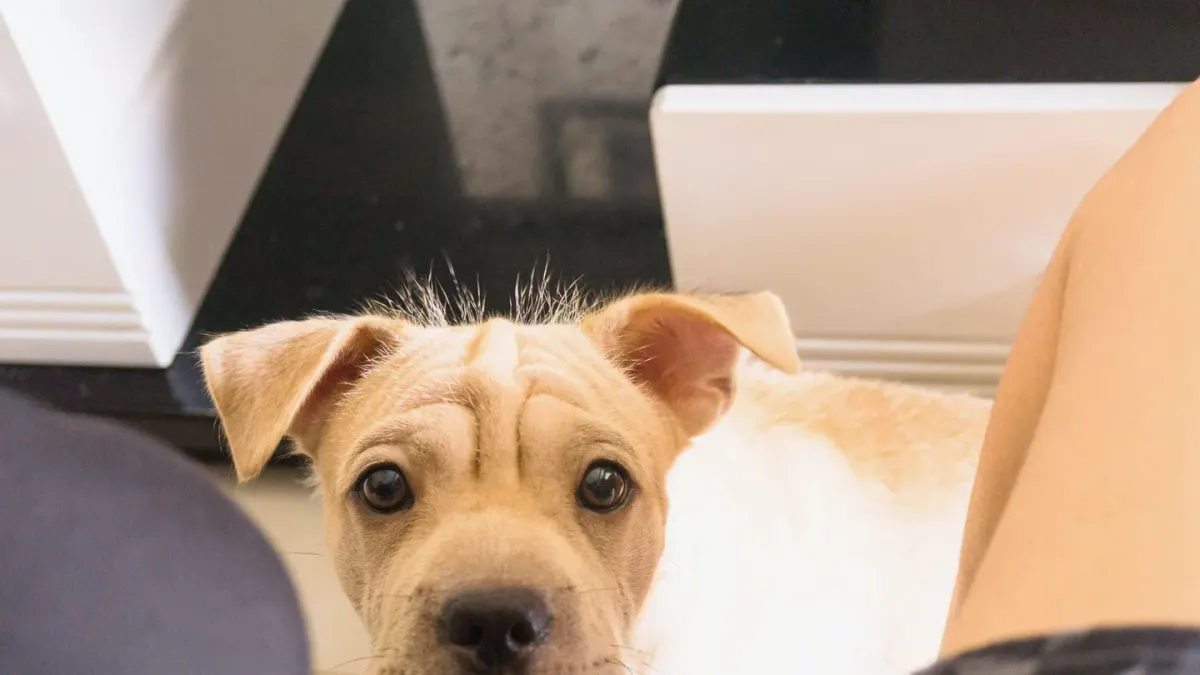
Does a diffuser stop puddles on the rug? It can lower stress for some dogs. It does not teach house training or treat infection.
I see this mix-up often. Owners buy a calming product when the dog needs a schedule reset, more outdoor trips, or a urine check. Pheromones copy the scent signals nursing dogs produce. They may help a nervous dog settle. They do not punish, reward, or replace learning where to pee.
Kelli noticed this with Leona, her 8-year-old spayed Toy Poodle in Fullerton. Leona started peeing by the back door overnight. No new stress. No new home. The pattern pointed to access and possibly age-related urgency, not anxiety alone. That distinction changed the plan.
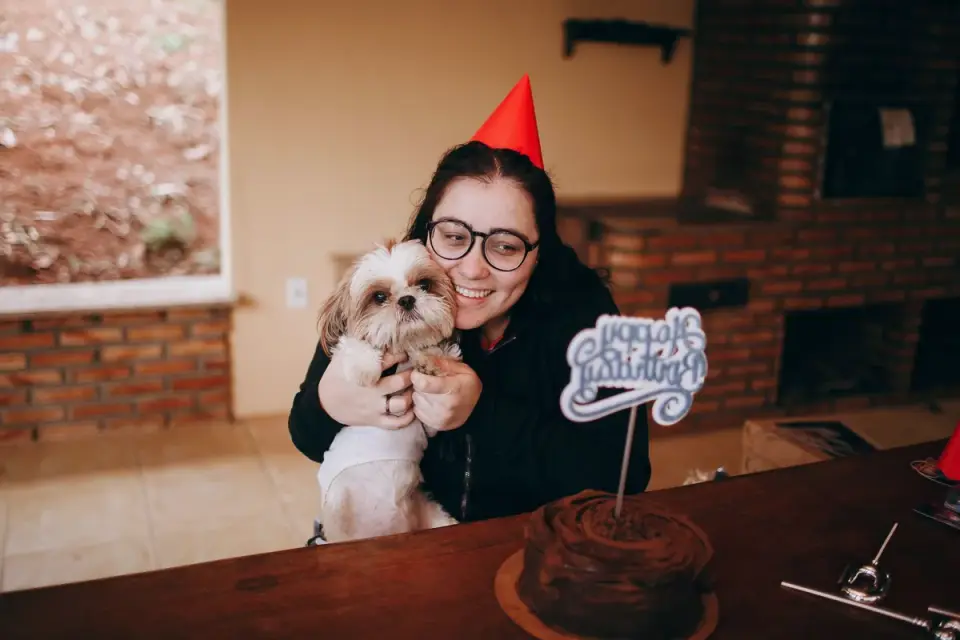
Why dogs pee indoors most often
Incomplete house training tops the list in puppies and new rescues. Schedule gaps come next. Long workdays, less outdoor access, or inconsistent cues create accidents.
Medical causes matter in adults and seniors. Urinary tract infection, bladder stones, kidney disease, diabetes, and spay-related incontinence raise urgency or leakage. Anxiety-related peeing looks different. It clusters around departures, storms, visitors, or noise.
Learn more in Do Pheromone Diffusers Calm Anxious Dogs? if stress seems central.
What dog pheromones can and cannot do
Dog-appeasing pheromone products come as diffusers, collars, and sprays. The idea is simple. A familiar calming scent may reduce fear behaviors during stress. Calming aids are typically studied as support alongside behavior plans rather than standalone fixes, as described by Taylor & Francis.
That can help a dog that dribbles when guests arrive or paces before storms. It will not treat infection, incontinence, marking driven by intact status, or poor access outdoors. Think support tool, not solution. If your dog panics alone, read Does Crate Training Help Dog Separation Anxiety? before adding any calming aid.
My three-step check for indoor peeing
Run this in order. Write down what you see for three days.
- Check health first. Note frequency, color, odor, straining, drinking, and leaks during sleep. Call your veterinarian promptly for blood in urine, crying to pee, sudden thirst, or new incontinence in a senior.
- Check access and pattern. Note time, spot, and what happened before. Overnight accidents, accidents after long holds, or peeing near the door suggest schedule, not spite.
- Check stress triggers. Note departures, noise, new pets, or visitors. Peeing only in those windows points to fear or excitement.
Keep cleaners enzymatic. Regular cleaners leave odor that draws repeat marking.
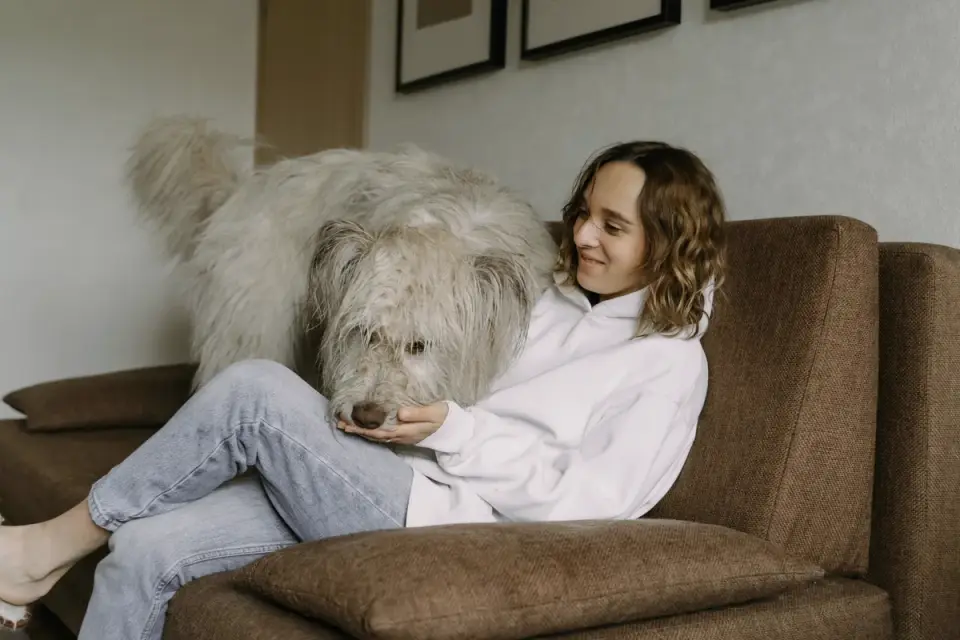
How to use pheromones without wasting time
Use them as backup while you fix the cause. Restart outdoor rewards. Take your dog out after sleep, play, meals, and every two to four hours for puppies. Reward peeing outside within seconds. Supervise indoors or use a gate and crate schedule.
Plug a diffuser in the room where accidents cluster. Allow two to four weeks. Keep vet care, cleaning, and training going. Stop and reassess if nothing changes.
Contact your veterinarian if accidents persist past one to two weeks of consistent training, if an adult dog regresses suddenly, or if you see pain, fever, lethargy, or excess thirst. The sign to watch is simple. Outdoor success should rise week by week. If it stays flat, change the plan and get a urine check.
Frequently asked questions
Will a pheromone diffuser stop my dog from peeing inside?
Not alone. It may reduce stress for anxious dogs, but schedule, house training, cleaning, and medical care stop most indoor peeing.
When should I call the vet for indoor peeing?
Call promptly for sudden regression, straining, blood, strong odor, excess thirst, lethargy, or sleep leakage, especially in seniors.
Sources
- Calming Diet and Stress Markers in Cats — Taylor & Francis