Dogs feel happy when you pet them if they choose it and you stop when they ask for space.
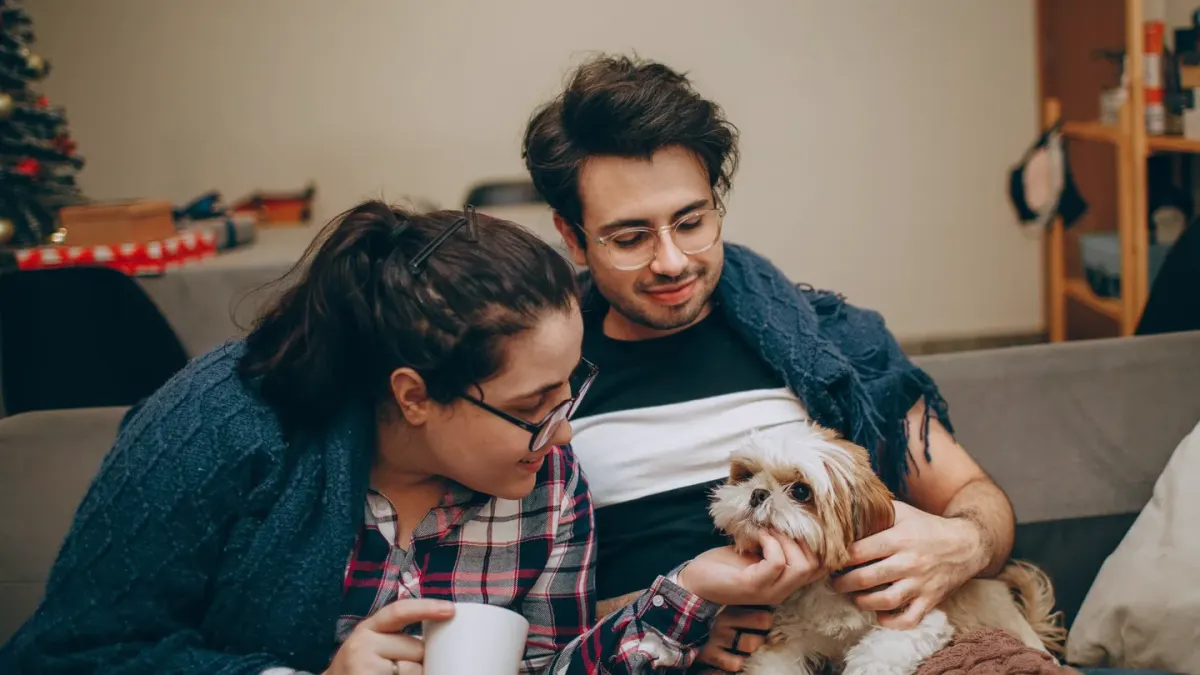
Does your dog ask for petting, or just put up with it. That difference decides if touch feels happy or stressful.
Most dogs enjoy calm touch from a familiar person when they can start it or stop it. A slow chest rub for a dog who leans in is welcome. A hug, a hand over the head, or petting that chases the dog across the room often feels trapping.
I ask owners to use a three-second check. Pet for three seconds, pause with your hand still, then watch what happens next.
Watch for a yes before you keep going
A dog who wants more stays loose. Soft eyes, relaxed mouth, neutral ears, weight shifting toward you, a nudge with the nose or a paw asking for another stroke. Many dogs prefer the chest, side of the neck, or shoulder over pats on top of the head.
Close contact with a familiar person can support bonding for both sides. Touch is one part of that bond, not proof that every dog wants more touch.
Quiet signs that mean take a break
Taco, a 10-year-old neutered male Whippet from Kansas City, Kansas, shows how quiet a no can be. His owner Barbara said he never growled when visitors reached for him. He went still, turned his head away, licked his lips, then walked to his bed. Stillness was his polite stop signal.
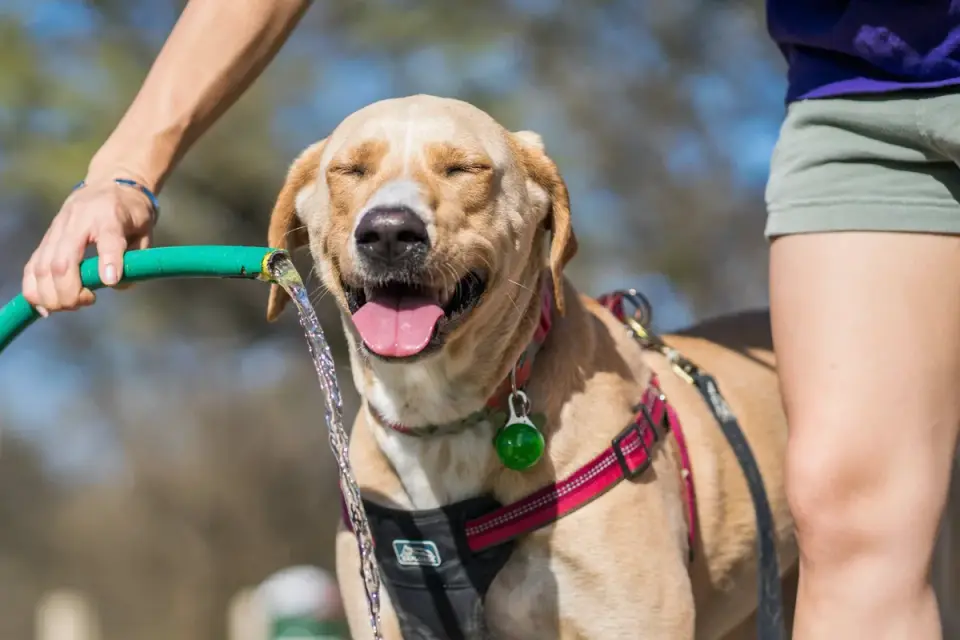
Treat these as ask-for-space cues. Turning away, walking off, tail tucked, yawning, lip licking, showing the whites of the eyes, skin twitching under your hand, or sudden sniffing. Stop, let the dog move, and keep your hands low at your side.
Guidance from the American Kennel Club describes many of the same loose versus tense postures owners can read in the moment. Pair that reading with context. A tired, sleeping, eating, or startled dog is less likely to enjoy touch.
If a dog who used to enjoy petting now flinches, yelps, or moves off, change the plan and check health first. Pain, skin irritation, ear infection, or anxiety can lower tolerance fast. Contact your veterinarian promptly for new growls or snaps, red skin, hair loss, limping, head shaking, or hiding that lasts more than a day. Low-pressure enrichment can help while you wait, like the ideas in How to Keep an Aging Dog’s Brain Active and Engaged and the age-related changes in How Old Does a Dog Have to Be Before Signs of Aging Typically Start?.
Make every pet a short invitation
Sit sideways and let the dog come to you. Offer one or two slow strokes on the chest or shoulder, then pause again. When the dog leans in, continue for a few seconds. When the dog stays neutral or leaves, you are done.
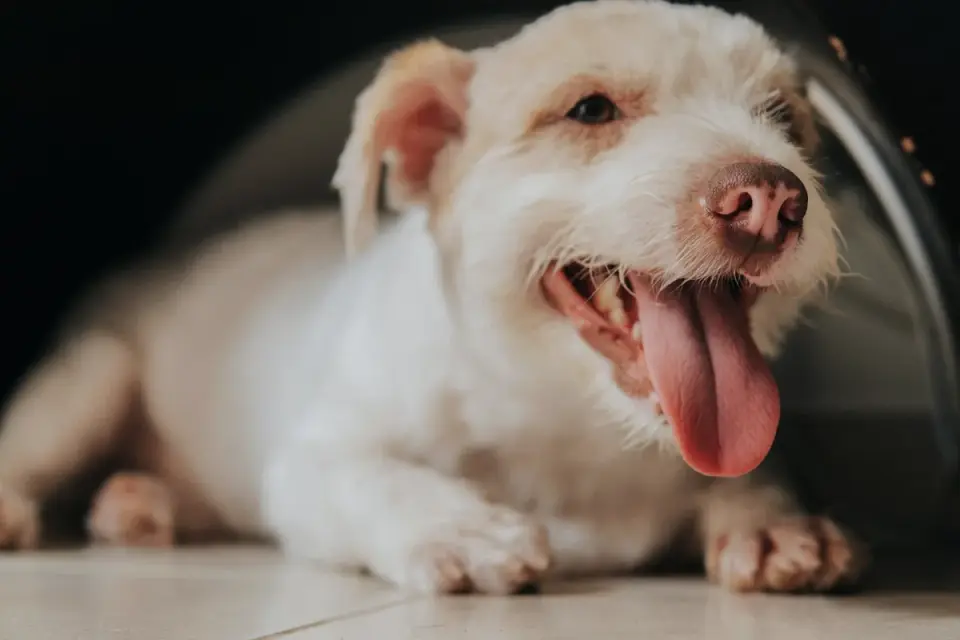
Teach the same pause-and-watch rule to kids. One gentle stroke, then hands in lap. Let the dog decide. That one observable sign — the lean back in for more — should change what you do next. More petting for a lean-in, kind space for a move-away.
Sources
- Dog Body Language: How to Read Your Dog's Behavior — American Kennel Club