Skip multiply-by-seven and plan senior care by adult size, since large breeds age faster than small breeds.
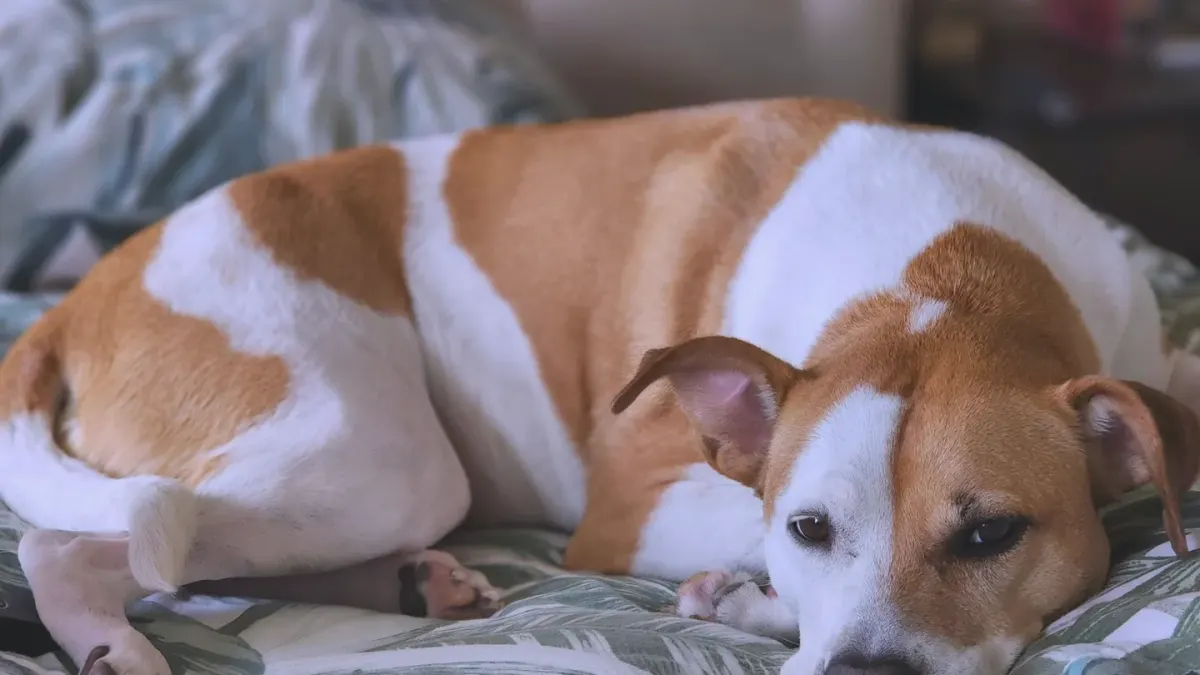
Does your 6-year-old large dog act older than your neighbor’s 6-year-old small dog? Answer by adult size first, then breed. A small dog at six is often middle-aged, a giant breed at six is often senior.
I get this question when owners notice slowing on walks, gray muzzle hair, or stiffer mornings. Calendar age alone does not explain it. Growth rate, adult weight, and breed lifespan shape the curve.
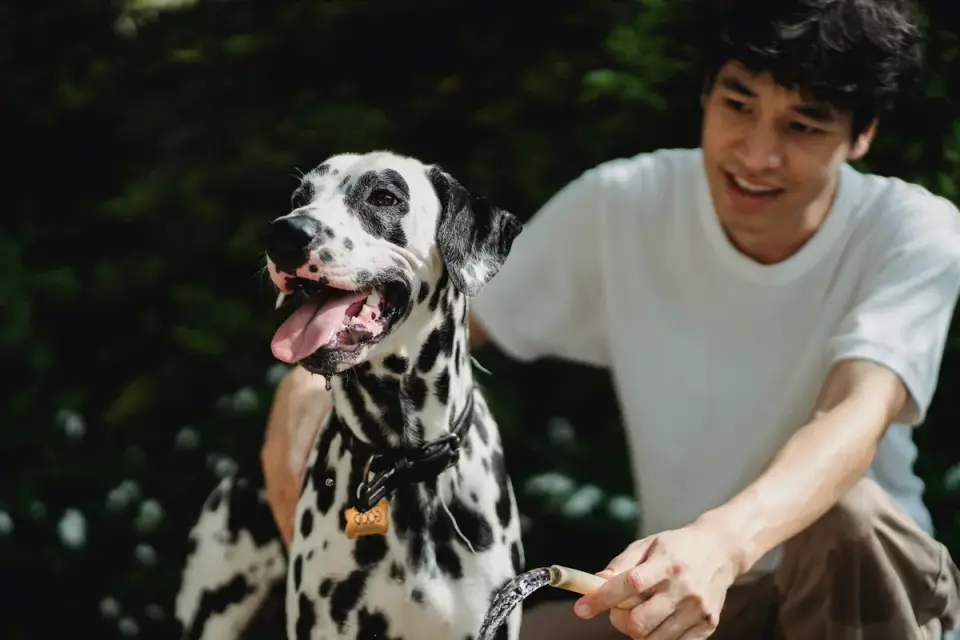
Why multiply-by-seven misses the biology
Dogs mature fast in year one, then the pace splits by size. A one-year-old dog is already closer to a young adult than to a 7-year-old child. After age two, large and giant breeds tend to show age-related changes earlier than small breeds.
Epigenetic work supports a non-linear model. Researchers tracking methylation changes found dogs age rapidly early in life and then the human-dog age relationship levels off, described in Cell Systems. That is why a straight multiplier feels wrong in the exam room. Use life stage, not math, to set care.
My three-step check is simple. Note adult weight, note breed lifespan pattern, then note function. Can your dog walk, climb, eat, play, and rest comfortably? Function beats formula.
How size shifts the senior window
Think in weight bands, not birthdays. Toy and small breeds under 20 pounds often stay adult longer. Medium dogs 21 to 50 pounds sit in the middle. Large dogs 51 to 90 pounds and giant breeds over 90 pounds move to senior care earlier.
For a practical rule, many veterinarians start senior screening around 7 to 8 years for small dogs, around 6 to 7 for medium and large dogs, and around 5 to 6 for giant breeds. The American Veterinary Medical Association notes senior status varies with size and breed, with larger dogs considered senior earlier, and recommends closer monitoring as dogs enter that stage.
Joan in Kenosha noticed this with Booker, an 11-year-old neutered male Bloodhound. His size put him deep into senior years, and the change that mattered was observable: slower to rise, shorter sniff walks, more naps between activity. Joan did not need a new formula. She needed an earlier senior plan because of his size.
If you want background on timing, read How Old Does a Dog Have to Be Before Signs of Aging Typically Start? and track the signs listed there against your dog’s weight band.
Where breed adds nuance beyond weight
Weight sets the window. Breed shapes what to watch inside it. Flat-faced breeds may show exercise intolerance sooner. Deep-chested large breeds need attention to mobility, weight, and bloat risk signs. Long-backed breeds need ramp support and back-pain awareness.
Mixed-breed dogs follow the same rule. Use expected adult weight, not the breed label. A 15-pound terrier mix ages more like a small dog. A 75-pound shepherd mix ages more like a large dog.
Johnny in Pasadena saw this with Zues, a 6-year-old neutered male English Springer Spaniel mix. At middle weight, six was not old, but it was the right time to baseline weight, teeth, joints, and activity. That baseline makes year-to-year change visible.
Breed calculators can estimate. They cannot diagnose. Use them to pick a screening schedule, then let exam findings, bloodwork, and behavior adjust it.

What to do at each stage
Puppy to adult, focus on growth, training, vaccines, parasite control, and healthy body condition. Keep large-breed growth steady, not fast.
Adult years, keep weight lean, teeth clean, and activity consistent. Log the normal: usual walk distance, stair speed, play style, sleep spots. Change is easier to spot with a baseline.
Senior window by size, shift to twice-yearly exams when your vet advises, plus weight checks, mobility checks, and cognitive checks. This is also when joint support, brain enrichment, and home traction matter. For ideas, see How to Keep an Aging Dog’s Brain Active and Engaged and How Collagen Production Changes as Dogs Age.
Contact your veterinarian promptly for new limping over a day, trouble rising, nighttime restlessness, appetite drop, drinking much more water, cough, or sudden behavior change. Those observable signs should change your next action from monitoring to calling.
Frequently asked questions
What is the most accurate dog age calculator by breed?
Use adult weight first, then breed lifespan pattern. Small dogs age slower after age two, large and giant breeds age faster, and no single multiplier fits all dogs.
When is a large breed considered senior?
Many large dogs enter the senior window around 6 to 7 years and giant breeds around 5 to 6, while small dogs often reach it around 7 to 8. Your vet sets the exact timing by exam and health history.
Why does a one-year-old dog equal more than seven human years?
Dogs mature very fast in the first year, reaching puberty and young-adult function, so early aging is steep and then slows. That non-linear curve is why multiply-by-seven fails.
Sources
- Quantitative Translation of Dog-to-Human Aging by Conserved Remodeling of the DNA Methylome — Cell Systems
- Senior Pets — American Veterinary Medical Association