Dog dental issues need anesthesia-based cleaning first; brushing and chews only maintain healthy teeth after treatment.
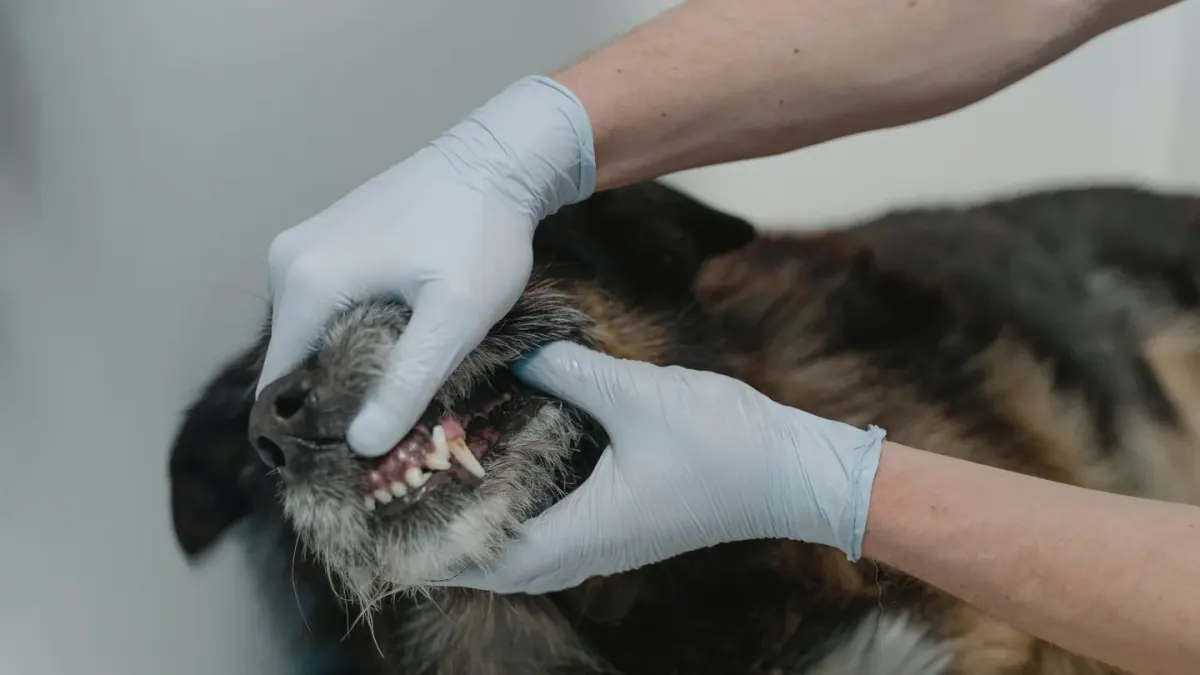
Does your dog have bad breath, yellow buildup, or red gums along the teeth. Those are the signs I tell owners to check first, and they usually mean dental disease is already present.
Betty in Naperville noticed them in Bogart, her 3-year-old neutered male Morkie. He would turn away from crunchy treats, paw at one side of his mouth, and his breath had changed. That pattern points to plaque and tartar below the gumline, not just surface stains. A veterinary exam is the safer next step when you see it.
Why home care alone cannot fix dental disease
Plaque hardens into tartar within days, and tartar cannot be brushed off. Once gums are inflamed or pull away from the tooth, bacteria live where a toothbrush, wipe, or chew cannot reach.
This is why brushing and dental chews are maintenance tools. They slow new plaque on clean teeth. They do not remove established tartar, heal deep gum pockets, or save a loose or fractured tooth. If bleeding, swelling, drooling, dropping food, or chewing on one side continues for more than a day or two, schedule a veterinary visit.
What professional treatment involves step by step
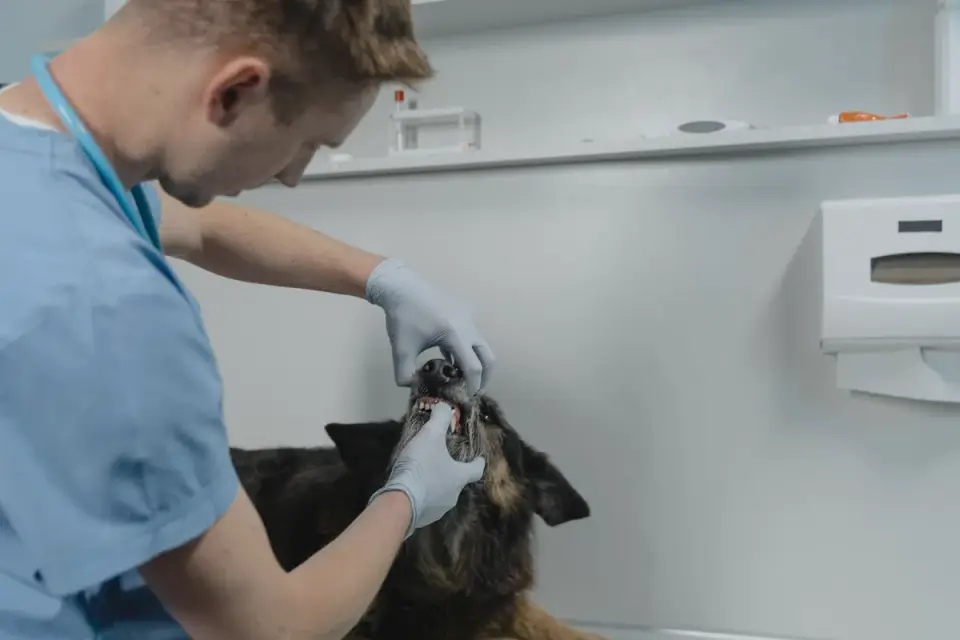
Real treatment is a professional dental cleaning under general anesthesia with dental X-rays.
Here is what that visit usually includes:
- Pre-anesthetic check. Exam, blood work, and a plan for pain control and monitoring. This matters most for senior dogs and small breeds like Bogart, and it connects to broader aging questions like How Old Does a Dog Have to Be Before Signs of Aging Typically Start? and How Collagen Production Changes as Dogs Age.
- Anesthetized exam and X-rays. About half of each tooth sits under the gum. X-rays show bone loss, abscesses, and retained roots you cannot see awake.
- Cleaning above and below the gumline. Ultrasonic scaling removes plaque and tartar, then polishing smooths the surface so plaque adheres more slowly.
- Treatment of diseased teeth. Options include closed extraction for advanced periodontal disease, surgical extraction for fractured roots, or referral for advanced procedures. The goal is a pain-free, infection-free mouth.
- Recovery and home plan. Most dogs eat soft food for 7 to 14 days after extractions, then return to normal chewing once healed.
Anesthesia-free cleanings offered without a veterinarian miss disease under the gums and do not allow X-rays or extractions.
What to do after the cleaning
Healing comes first, then maintenance. Ask your vet when to restart brushing, usually after the recheck. Use a soft dog toothbrush and enzymatic toothpaste for 30 to 60 seconds per side daily. Choose products with the Veterinary Oral Health Council seal when possible through the Veterinary Oral Health Council.
Keep the routine simple enough to sustain. Daily brushing moves the needle more than weekly brushing plus chews. Watch for the observable sign that should change your next action: breath improves after cleaning, then slowly worsens again with redness at the gum edge. That means plaque is returning and your home routine needs tightening or another exam is due.
For older dogs recovering from extractions, comfort and routine matter as much as teeth. Short enrichment and calm daily structure help, as discussed in How to Keep an Aging Dog’s Brain Active and Engaged.
Contact your veterinarian promptly for facial swelling, bleeding that will not stop, refusal to eat beyond 24 hours after a procedure, loose teeth, or a broken tooth with pink or bleeding pulp exposed.
Frequently asked questions
Can a vet clean my dog's teeth without anesthesia?
A full cleaning with scaling below the gumline, X-rays, and treatment of diseased teeth requires general anesthesia. Awake scraping only removes visible tartar and leaves painful disease untreated.
Will my dog eat normally after tooth extractions?
Most dogs eat soft food the same evening and return to kibble and chews after the vet clears healing, usually in 1 to 2 weeks. Persistent drooling, pawing, or refusal to eat beyond 24 hours warrants a call.
Do dental chews replace brushing?
No. Chews can reduce plaque buildup on clean teeth, but daily brushing is more effective. Neither removes hardened tartar or treats gum disease that is already present.
Sources
- Accepted Products for Dogs and Cats — Veterinary Oral Health Council