A single vomit in a bright dog that still wants dinner is rarely an emergency, and the next 12 hours tell you more than the puddle on the floor.
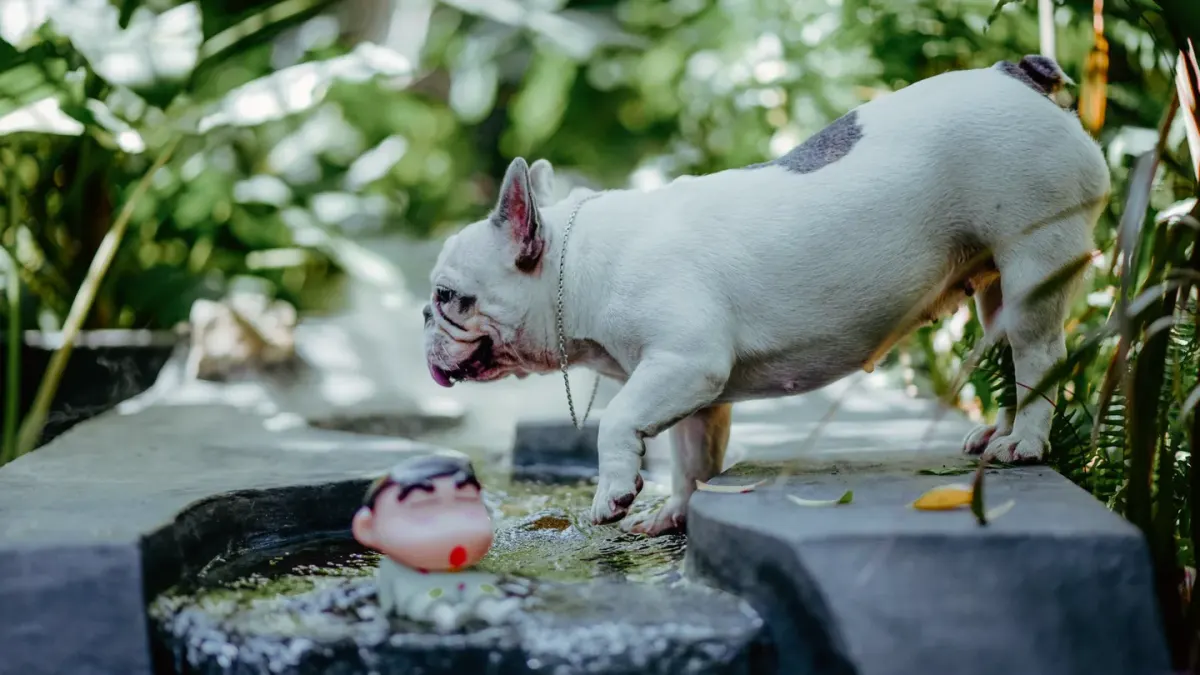
Did your dog vomit once and then look at you for dinner like nothing happened. That moment is confusing. Watch the dog, not just the vomit, for the next few hours.
In practice, vets often see healthy adult dogs vomit once after eating too fast, scavenging, or drinking a large bowl of water. The question is whether the body resets or keeps signaling a problem. Merck Veterinary Manual describes vomiting as an active process with many causes, from diet change to obstruction and systemic illness, which is why context matters more than a single episode.
Bernard in Bakersfield noticed this with Celine, his 10-year-old spayed Westie. She vomited undigested kibble once at 6 p.m., drank water, then asked for her evening walk within 40 minutes. He skipped the extra treat, kept dinner small and bland, and watched her energy, thirst, and stool overnight. That kind of brief pause plus close watching fits a mild, isolated event.
Check the dog first, then the vomit
Start with behavior. A bright dog with normal gums, steady breathing, and interest in water or food is reassuring. A flat dog that hides, pants, paces, or refuses water needs faster action.
Then look at frequency and effort. One episode with retching that ends is different from repeated heaving with little coming up, or vomit that keeps returning every hour.
Contact your veterinarian promptly if you see repeated vomiting, blood, suspected foreign material or toxin, abdominal pain or bloating, or vomiting paired with diarrhea, lethargy, or refusal to drink.
The three checks that guide what to do
Use this order. It takes five minutes.
1. Energy, hydration, and belly comfort
Note attitude and gum color. Gums should be pink and moist, with quick refill after a gentle press. Check the belly. Tense, swollen, painful, or retching without producing vomit is urgent, especially in a deep-chested breed.
Offer a small amount of water. If water stays down for 30 to 60 minutes, that is a useful sign. If even water comes back up, call your veterinarian that day.
2. Count episodes and look at contents
Write down times. One to two episodes in 24 hours in an otherwise normal adult dog can often be watched at home. Three or more episodes, blood, coffee-ground material, worms, fabric, bone shards, or vomit with a fecal odor moves the visit sooner.
Also track stool, appetite, and urination. Diarrhea plus vomiting dehydrates faster. No urine in 12 hours, dry gums, sunken eyes, or marked lethargy means fluid loss is catching up.

3. Find the trigger you can remove
Think back 24 hours. New food, richer treat, trash, compost, fatty table scraps, sudden diet change, missed meal with yellow bile, plant chewing, or medication change. Remove the trigger if it is still available and keep other pets away from the same source.
Keep meals small for the next 12 to 24 hours. Plain, low-fat food in two to three small portions is easier to judge than one full bowl.
Puppies, senior dogs, and dogs with diabetes, kidney disease, or heart disease lose margin fast.
When waiting is reasonable
Waiting fits a narrow picture. Adult dog, one vomit, still bright, still drinking, no pain, no blood, no known toxin, no bloat. Withhold treats and chews, feed a small bland meal, and watch for 12 to 24 hours.
Keep walks short and on leash. Trash, mulch, and puddles can restart the cycle.
If appetite returns, energy stays normal, and no further vomiting occurs, return to regular food over one to two days. If you want background reading on causes and workup, VCA Animal Hospitals outlines dietary causes, foreign bodies, parasites, and when testing is needed.
When to call sooner than you think
My threshold is lower when other signs appear. Call your veterinarian the same day for repeated vomiting, blood in vomit or stool, abdominal pain, bloating, drooling with restlessness, suspected toy, sock, bone, or toxin ingestion, or vomiting in a puppy under 6 months.
Go to emergency care for unproductive retching with a distended belly, collapse, pale or white gums, trouble breathing, seizure, suspected rat poison, antifreeze, xylitol, grapes, or chocolate ingestion, or vomiting after major trauma.
For senior dogs, age changes the math. Appetite, weight, and stamina shift earlier, which is why monitoring routines around How Old Does a Dog Have to Be Before Signs of Aging Typically Start? and changes in How Collagen Production Changes as Dogs Age help owners spot decline. Nutrition questions come up often during recovery, and background pieces on Taurine for Dogs: Benefits, the DCM Question, and When to Actually Worry and Can Dogs on Heart Medication Also Take CoQ10? show how to weigh supplements separately from urgent care.
What to tell the clinic
Bring facts. Time of first vomit, total count, what the vomit looked like, last meal and treats, trash or toxin access, medications and doses, vaccine and deworming status, thirst, urine, and stool. A phone photo of the vomit helps more than a description.
Do not give human anti-nausea drugs, antacids, or pain medication unless your veterinarian directs it. Dosing and underlying cause change safety.
The sign that should change your plan is simple. A second wave of vomiting, new lethargy, pain, blood, or refusal to drink ends home watching.
Frequently asked questions
My dog vomited once but seems fine. What should I do?
Remove treats and table scraps, offer a small amount of water, then feed a small low-fat meal if water stays down for 30 to 60 minutes. Watch energy, drinking, vomiting count, and stool for 12 to 24 hours and call your veterinarian if vomiting repeats or other signs appear.
How many times can a dog vomit before I call the vet?
There is no fixed number, but repeated vomiting, vomiting with blood, pain, bloating, lethargy, diarrhea, or refusal to drink warrants a same-day call. Puppies, seniors, and dogs with chronic disease should be seen sooner.
Should I withhold food after vomiting?
A short rest from rich food and treats for several hours is common, followed by small bland portions if the dog is bright and keeping water down. Ask your veterinarian for timing, especially for puppies, diabetic dogs, or dogs on medication.
Sources
- Vomiting in Dogs — VCA Animal Hospitals