Most dogs need weeks, not days, to accept a puppy — watch eating, resting, and play to track it.
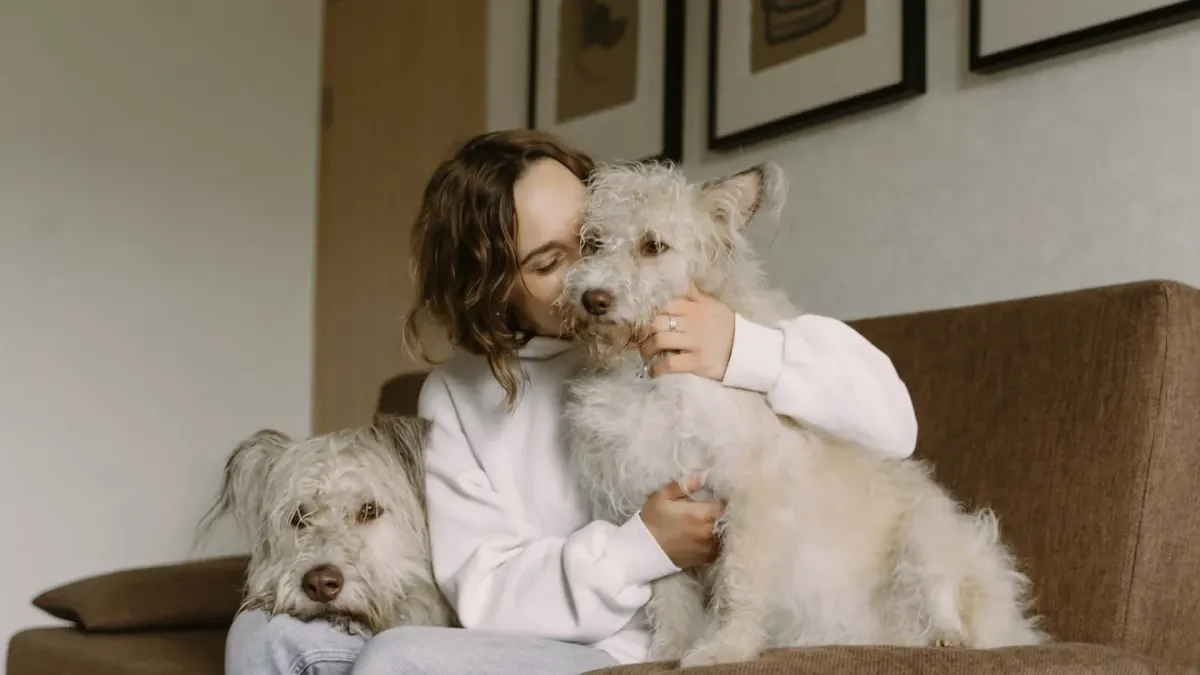
Will my older dog ever accept this puppy? That is the question I hear by day three.
The short answer is yes for most households, but acceptance is slow. Expect polite tolerance in one to two weeks, routine settling in three to four weeks, and relaxed companionship in two to three months. Some pairs need longer. That timeline is behavior, not biochemistry, and it changes with age, health, and how crowded the house feels.
A seven-year-old, 68-pound Labrador I followed as a composite case shows what I mean. His owner brought home an eight-week-old mixed-breed puppy on a Saturday. For the first four days the Lab ate fast, carried his chew to the bedroom, and lip-licked when the puppy rushed him. By day 10 he started choosing to lie in the same room again. Three weeks in was the marker that changed the plan: he offered a short play bow, then walked away to rest, and his evening meal pace was normal for three nights in a row. We kept separate rest zones until then.
Acceptance is a stress curve, not a single day
New-puppy tension is normal arousal and avoidance. The older dog monitors, guards space, and sleeps lighter. Appetite may dip. Play looks stiff.
The physiology underneath is straightforward. Novelty and unpredictability raise sympathetic activity and stress signaling, and the body stays primed until the routine becomes predictable. Calm returns when the older dog can predict food, walks, rest, and distance from the puppy.
This is where I stay careful about calming ingredients. MDPI published a review noting that “For the remaining species, evidence is derived mainly from preclinical studies or traditional use.” That line matters. It keeps me from promising that any herb will shorten the acceptance curve in dogs.
Meals stay the clearest window into that curve.

What the calming evidence actually lets me say
Owners often ask about chamomile, ashwagandha, or L-theanine during this month. I explain them in plain terms before I recommend anything.
Chamomile and valerian have a long traditional use for relaxation, but dog-specific trial data remain thin. Ashwagandha has more human data: Cureus summarized that “A systematic review analyzed multiple RCTs and concluded that ashwagandha has a moderate positive impact on stress reduction and cognitive performance.” That is general evidence, not proof it will make a senior dog like a puppy faster.
L-theanine is similar. It is an amino acid found in tea that has been studied for its calming properties, yet the detailed human review in Nature Portfolio limits strong signals to a narrow finding: “except for one study on psychotic anxiety (SMD = 0.54; 400 mg/day for 8 weeks)”. A 400 mg/day human dose for eight weeks does not translate to a dog chew.
My position is direct. I do not use a calming supplement to force friendship.
A second composite case shows the tradeoff. A four-year-old, 42-pound border collie mix lived in a one-bedroom apartment with a new 10-week-old puppy. The owner tried overlapping everything to bond them fast: shared bowls, shared crate time, long joint walks by day 5. By day 7 the older dog stopped finishing breakfast, began hard staring, and snapped when the puppy entered her bed. We pulled back to separate feeding stations, separate naps, and two short parallel walks per day. Her breakfast was finished within 15 minutes on three of the next four mornings. Together is not always better.
Contact your veterinarian if appetite drops for more than 48 hours, if there is growling that escalates to snapping with contact, or if either dog pants, paces, or hides for most of the evening.
The edge case that changes my advice
Senior dogs and dogs with pain or sensory loss follow a different rule. A 12-year-old, 54-pound dog with stiff hips may never wrestle, and that is fine. Acceptance for him means calm co-existence, not play. I learned this watching owners of older dogs described in Why a Senior Dog Seems More Sensitive to Heat or Cold Now and How Old Does a Dog Have to Be Before Signs of Aging Typically Start? — routine and rest matter more than interaction.
A third composite picture makes it concrete. An 11-year-old beagle, 29 pounds, lived with arthritis and a new puppy that nipped ears. At five weeks in the beagle still left the room when the puppy zoomed, which worried the owner. But his weight was stable, he slept through the night, and by week six he chose to nap eight feet from the puppy gate for two afternoons in a row. That distance was his version of acceptance. We kept the puppy on leash indoors and gave the beagle a gated bedroom.
My three-step check for the first month
Translate worry into observation.
One, eat and rest. Does the older dog finish most meals within 20 minutes and settle to sleep in his usual spot? If not, add distance.
Two, choice. Does the older dog voluntarily enter the same room, sniff and walk away, or offer brief soft body language? Forced closeness does not count.
Three, recovery. After a puppy rush, does the older dog shake off and return to normal within minutes? Long avoidance or fixating means the day was too much.
Keep introductions short, feed separately, protect sleep, and give the older dog a puppy-free zone. Brief parallel activity beats long free mingling.
Most homes turn the corner between week three and week eight. If tension is flat or worse after four weeks, or if resource guarding, house-soiling, or nighttime restlessness spreads, get a veterinary visit and a qualified trainer early.
Frequently asked questions
How long does it take a dog to accept a new puppy in the home?
Many dogs show polite tolerance in 1-2 weeks, settle into routine in 3-4 weeks, and act relaxed in 2-3 months. Senior dogs, small spaces, and limited rest zones often need longer.
What signs mean my older dog is accepting the puppy?
Finishing meals, sleeping in usual spots, voluntary sniffing with soft body language, short play followed by easy rest, and quick recovery after puppy rushes.
When should I call my veterinarian about introductions?
Call if appetite stays low beyond 48 hours, growling escalates toward biting, either dog hides or paces most of the day, or there is limping, vomiting, diarrhea, or major sleep loss.
Sources
- Chamomile evidence review in Biomedicines — MDPI
- Ashwagandha systematic review on stress and cognition — Cureus
- L-theanine evidence review on anxiety — Nature Portfolio