Wondering what causes underbites in dogs? Most are inherited jaw shape, so check comfort and teeth first.
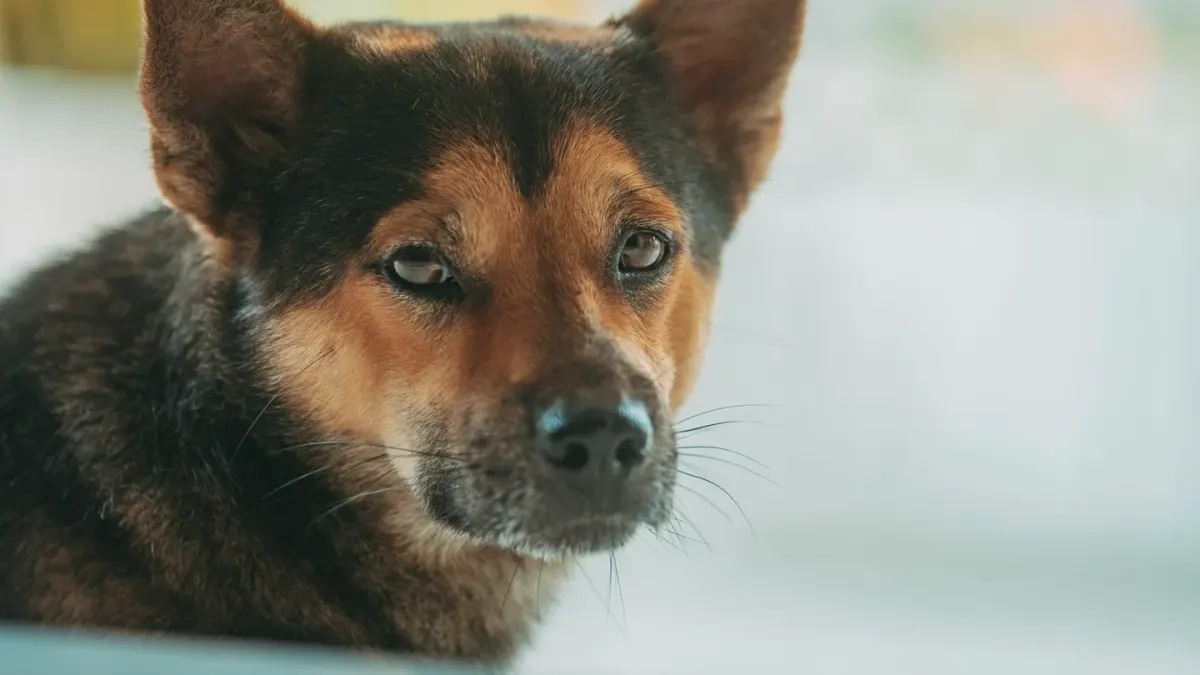
Is that underbite a problem or just how your dog’s face grew?
Most underbites are inherited jaw shape. The lower jaw grows a little longer than the upper jaw, and the front teeth do not meet edge to edge. That look gets attention, but comfort and tooth contact decide what to do next.
Inherited jaw shape explains most underbites
Bulldogs, Pugs, Shih Tzus, Boxers, and other short-muzzled breeds are bred for a shorter upper jaw. That trait passes to puppies. One puppy in a litter can show it more strongly than the others, and mixed-breed dogs can inherit it too.
This type is called skeletal malocclusion. The bones do not line up, so the teeth cannot line up either.
Ricardo noticed this with Abbey, his 4-year-old spayed Greyhound mix in Lakeland. Her lower incisors sat just in front of the uppers by about 3 millimeters. She ate normally, played with chew toys, and showed no pawing at the mouth. In practice, vets often see dogs like Abbey who eat well and need monitoring rather than correction.
5 causes behind that lower jaw sticking out
Genetics comes first, but a few other factors can create or worsen an underbite.
-
Breed-related skull shape. Short upper jaws in brachycephalic dogs leave the lower teeth forward by design.
-
Uneven jaw growth. During the first 8 to 10 months, the upper and lower jaws grow at different rates. A small timing difference can lock in as a permanent mismatch.
-
Retained baby teeth. A retained canine or incisor can push the adult tooth into the wrong position. This matters most between 6 and 12 months, when adult teeth are settling.
-
Jaw injury or fracture. A fall, rough play injury, or jaw fracture during growth can shift alignment as the bone heals.
-
Tooth wear and loss with age. Older dogs that lose upper incisors or wear teeth unevenly can look more undershot over time, even when the jaw bones have not changed. Changes in connective tissue and mouth structure with age can make small shifts more visible, similar to the gradual changes described in How Collagen Production Changes as Dogs Age.
Use this three-step check before you worry
I want owners to move from worry to observation. Look, watch, then decide.
Step one is look. Lift the lips gently when your dog is calm. Note whether lower teeth touch the upper gums, whether any tooth digs into soft tissue, and whether tartar builds heavily on one side.
Step two is watch. Watch one full meal and one drink. Note dropping food, chewing only on one side, drooling blood, pawing at the face, or reluctance to pick up toys.
Step three is track. Write down what you see for two weeks. A stable bite with clean gums and normal eating points toward monitoring. A changing bite, broken tooth, bad breath, or weight loss points toward an exam.
Contact a veterinarian promptly for bleeding from the mouth, a loose adult tooth, facial swelling, refusal to eat for more than 24 hours, or a puppy whose bite shifts quickly during teething.
When the bite needs treatment and when it does not
A pain-free underbite with no tooth-to-gum contact often needs no treatment beyond regular dental checks and daily home care. Many dogs live comfortably with this pattern for life.
Treatment enters the picture when teeth traumatize other teeth or soft tissue. The American Animal Hospital Association dental guidelines note that tooth interference, gum injury, and difficulty eating are reasons to consider extraction, filing, orthodontics, or other dental procedures under anesthesia.
That decision depends on age, which teeth are involved, and how severe the contact is. A lower canine digging into the upper gum is different from incisors that simply overlap. Your veterinarian can grade the bite, take dental radiographs, and refer to a veterinary dentist when needed.
This is also where my advice would be the wrong call if applied blindly. A watch-and-wait approach fits a comfortable adult dog. It does not fit a 7-month-old puppy with a retained baby canine pushing an adult tooth sideways, or a 9-year-old Havanese like Orson who starts dropping kibble after years of normal eating. New eating trouble in a senior dog deserves a checkup first, not patience, because mouth pain, dental disease, and broader aging changes can overlap. Owners tracking appetite loss can compare notes with How Old Does a Dog Have to Be Before Signs of Aging Typically Start?.
The sign that should change your next action is contact with damage. Clean teeth, intact gums, and easy chewing mean keep monitoring. Red gums with a tooth mark, a chipped tooth, or new drooling mean call the clinic.
Frequently asked questions
Are underbites genetic in dogs?
Most are. Short-muzzled breeds inherit a shorter upper jaw, and uneven jaw growth during puppyhood can make the pattern permanent.
Does an underbite need to be fixed?
Not always. If teeth do not injure gums or other teeth and the dog eats comfortably, many veterinarians recommend monitoring with regular dental exams.
When should I call the vet about an underbite?
Call for gum injury, bleeding, facial swelling, a loose adult tooth, one-sided chewing, or refusal to eat for more than 24 hours.
Sources
- AAHA Dental Care Guidelines for Dogs and Cats — American Animal Hospital Association